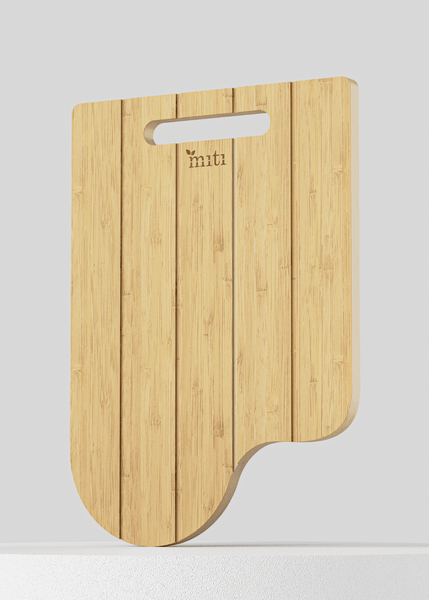
Your bamboo cutting board is more than just a kitchen tool—it’s a hardworking companion that deserves proper care. If you want it to stay strong, smooth, and free from cracks or stains, knowing the right way to clean and maintain it is key.
Imagine slicing your favorite veggies on a board that looks brand new every time you use it. Sounds great, right? Keep reading, and you’ll discover simple, effective tips that will help you protect your bamboo cutting board for years to come.
Choosing The Right Bamboo Board
Bamboo cutting boards are popular for their strength and eco-friendliness. Choosing the right board helps it last longer and stay safe for food.
Consider the type and quality of bamboo before buying. This ensures your board works well in your kitchen.
Types Of Bamboo Boards
Bamboo boards come in different styles. Each type has a unique look and use.
There are mainly three types: vertical grain, horizontal grain, and end grain boards.
- Vertical grain:Bamboo strips stand upright. These boards are very strong and resist cuts well.
- Horizontal grain:Bamboo strips lie flat. These boards have a smooth look but may wear faster.
- End grain:Bamboo pieces are joined from the ends. These boards are gentle on knives and last long.
Quality Indicators
Good quality bamboo boards show clear signs. Look for these features to find a durable board.
- Density:High-density boards are harder and last longer.
- Finish:A smooth, sealed surface helps stop moisture damage.
- Weight:Heavier boards usually mean thicker and stronger bamboo.
- Uniform color:Even color shows good material and careful making.
- Certifications:Look for food-safe and eco-friendly labels.

Credit: www.bambuhome.com
Initial Cleaning And Preparation
Before using a bamboo cutting board, it needs proper cleaning. This helps remove dust and dirt from the factory or shipping.
Preparing the board correctly makes it last longer. It also keeps it safe for food use.
Washing Before First Use
Wash the board with warm water and mild soap. Use a soft sponge to avoid scratches on the surface.
Rinse the board well to remove all soap. Then dry it with a clean towel and let it air dry completely.
- Use warm water, not hot
- Choose mild dish soap
- Clean both sides of the board
- Dry thoroughly before storage
Conditioning With Oil
Apply food-safe mineral oil to protect the board. This keeps bamboo from drying and cracking.
Use a soft cloth to rub the oil into the board. Let it soak overnight for best results.
- Use 100% food-grade mineral oil
- Apply oil evenly on all surfaces
- Let the board absorb oil for hours
- Wipe off excess oil before use
Daily Cleaning Tips
Caring for a bamboo cutting board helps it last longer. Cleaning daily keeps it safe and fresh for food.
Simple cleaning steps prevent damage and bacteria buildup. Follow easy tips to protect your board every day.
Safe Washing Methods
Wash bamboo cutting boards by hand with warm water and mild soap. Avoid harsh cleaners that can damage the surface.
Use a soft sponge or cloth to clean. Scrub gently to remove food bits without scratching the wood.
- Use warm water, not hot
- Choose mild dish soap
- Clean with a soft sponge or cloth
- Rinse well to remove soap
- Dry with a clean towel after washing
Avoiding Excess Moisture
Do not soak bamboo boards in water. Too much water can cause them to warp or crack.
Dry boards immediately after washing. Stand them up to air dry completely before storing.
- Never leave board in water
- Wipe off extra water after cleaning
- Air dry upright to speed drying
- Store in a dry place
Preventing Stains And Odors
Bamboo cutting boards can stain and smell if not cleaned well. Proper care keeps them fresh and looking new.
Use simple methods to stop stains and bad odors from forming on your board.
Natural Deodorizers
Natural products help remove smells without harsh chemicals. Use these after cleaning your board.
- Rub the board with half a lemon to freshen it.
- Sprinkle baking soda, let it sit for 10 minutes, then rinse.
- Apply white vinegar with a cloth to kill odor-causing bacteria.
- Wipe with salt and lemon to scrub and deodorize.
Removing Tough Stains
Tough stains need stronger care but avoid harsh cleaners. Follow these steps carefully.
| Method | How to Use | Notes |
| Baking Soda Paste | Mix baking soda with water. Scrub stain gently. | Safe for most stains. |
| Lemon Juice | Apply lemon juice on stain. Let sit 5 minutes. | Good for light stains. |
| Salt Scrub | Rub coarse salt on stain with a damp cloth. | Helps remove discoloration. |
| Hydrogen Peroxide | Apply small amount on stain. Rinse well. | Use only if other methods fail. |
Proper Drying Techniques
Drying your bamboo cutting board correctly keeps it strong and clean. It helps prevent cracks and damage over time.
Good drying stops mold and bacteria from growing. It also keeps the board looking new and fresh.
Air Drying Tips
After washing, dry your bamboo board with a clean towel first. This removes extra water quickly.
Stand the board upright on its side. This lets air flow around it and helps it dry faster.
- Use a dish rack to keep the board vertical
- Keep it in a well-ventilated area
- Do not stack other items on top while drying
Avoiding Warping
Warping happens when the board dries unevenly. One side shrinks more than the other, causing bends.
Always dry your bamboo board flat or upright. Avoid leaving it in water or near heat sources.
- Do not leave the board soaking in water
- Keep it away from direct sunlight or heaters
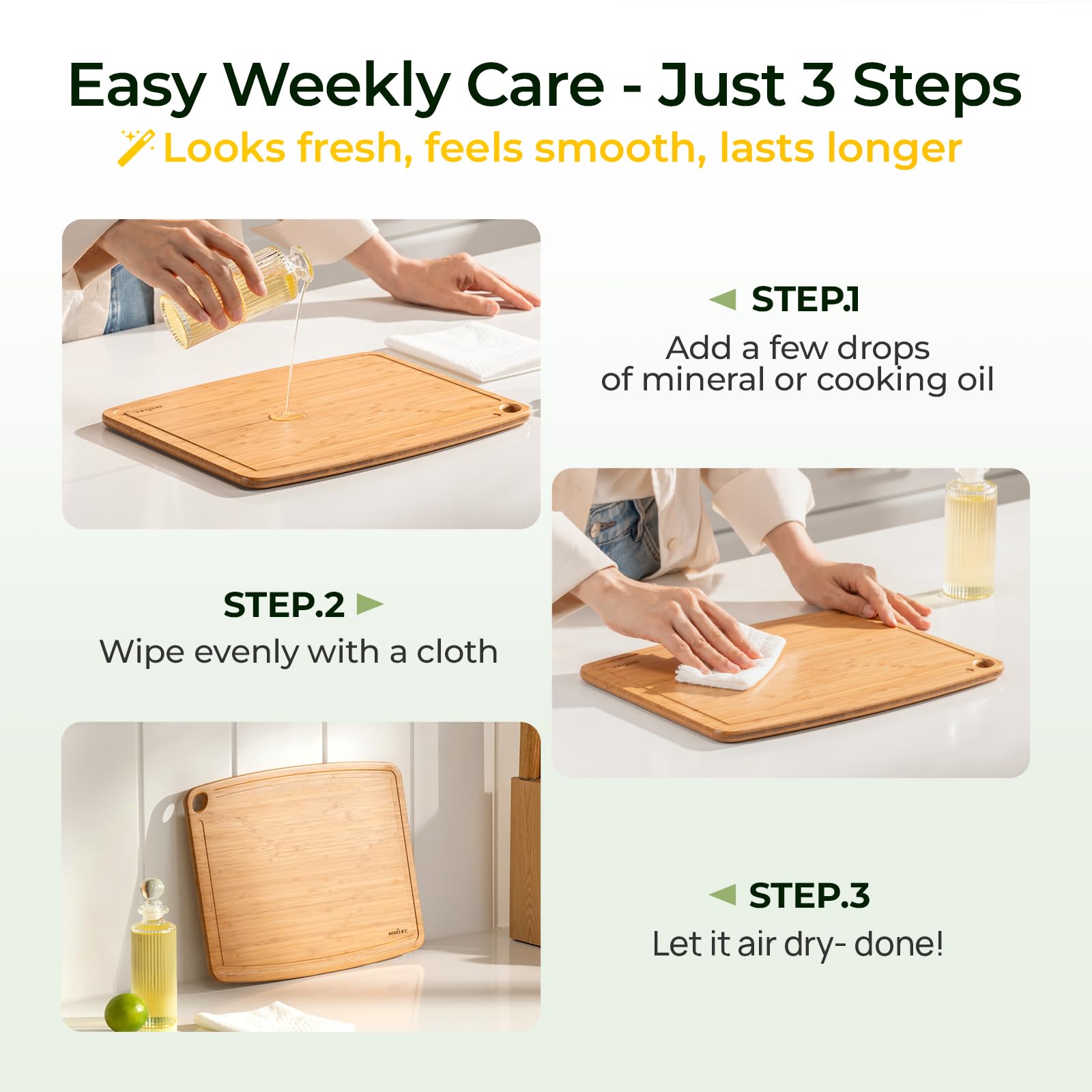
- Apply mineral oil regularly to keep it hydrated
Credit: www.amazon.com
Regular Maintenance
Taking care of a bamboo cutting board keeps it strong and clean. Regular maintenance stops cracks and stains.
Simple steps help your board last longer. This guide covers oiling and sanding to keep it smooth and safe.
Oiling Schedule
Oiling your bamboo board stops it from drying out. It also protects the wood from water damage.
Apply food-safe mineral oil every few weeks. If you use the board daily, oil it once a week.
- Clean and dry the board before oiling
- Use a soft cloth to spread oil evenly
- Let the oil soak for at least 3 hours
- Wipe off extra oil with a clean cloth
Sanding For Smoothness
Sanding helps remove scratches and rough spots on your board. It keeps the surface safe for cutting food.
Use fine-grit sandpaper to smooth the board. Sand lightly along the grain to avoid damage.
- Sand when the board feels rough or splintered
- Clean the board after sanding to remove dust
- Apply oil again after sanding to protect the surface
Storage Best Practices
Proper storage helps your bamboo cutting board last longer. It keeps the board clean and dry.
Storing your board correctly stops warping and cracking. It also prevents mold growth.
Optimal Placement
Keep the bamboo cutting board in a dry place. Avoid tight spaces where air cannot flow.
Store the board standing up or flat with space around it. This helps air circulate and dry the board.
- Place the board in a clean, dry cabinet
- Use a rack to stand the board upright
- Avoid stacking heavy items on top
Avoiding Heat And Humidity
Keep the board away from heat sources like stoves or ovens. Heat can dry the bamboo and cause cracks.
Do not store the board in humid places like near the sink or dishwasher. Moisture may cause swelling or mold.
- Do not place the board near radiators or vents
- Keep it away from the dishwasher area
- Store in a cool, dry spot

Credit: www.bambuhome.com
Signs Of Wear And When To Replace
Bamboo cutting boards are sturdy but show wear over time. Knowing when to replace them keeps your kitchen safe and clean.
Look for clear signs of damage and understand safety risks to decide if your board needs replacing.
Identifying Damage
Check your bamboo cutting board regularly for cuts, cracks, or warping. These issues can harbor bacteria and affect food safety.
- Deep grooves or cuts that trap food particles
- Cracks that split the board apart
- Warping causing uneven surfaces
- Discoloration or stains that won’t wash out
- Foul smells that linger after cleaning
Safety Considerations
Using a damaged board can spread germs and cause injury. Replace your board if it fails these safety checks.
| Safety Check | Action Needed |
| Visible deep cuts or cracks | Replace immediately |
| Board smells bad after cleaning | Clean thoroughly or replace |
| Board is warped or uneven | Stop use and replace |
| Surface is smooth and clean | Continue regular use |
Frequently Asked Questions
How Do I Clean A Bamboo Cutting Board?
To clean a bamboo cutting board, use warm soapy water and a soft sponge. Avoid soaking it in water. Rinse thoroughly and dry immediately with a towel. This prevents warping and damage. For deeper cleaning, occasionally rub with kosher salt and lemon.
Regular oiling keeps it conditioned and prevents drying.
Can I Put Bamboo Cutting Boards In The Dishwasher?
No, you should not put bamboo cutting boards in the dishwasher. The high heat and water can cause warping and cracking. Instead, hand wash with warm soapy water and dry immediately. This method prolongs the board’s lifespan and maintains its quality and appearance.
How Often Should I Oil My Bamboo Cutting Board?
You should oil your bamboo cutting board once a month. Use food-grade mineral oil or bamboo conditioner. Apply a generous amount, let it soak in, and wipe off excess. Regular oiling prevents drying and cracking. It also maintains the board’s smooth surface and enhances its natural appearance.
Can Bamboo Cutting Boards Harbor Bacteria?
Bamboo cutting boards are naturally antimicrobial, making them resistant to bacteria. However, proper maintenance is crucial. Clean thoroughly after each use and dry immediately. Avoid deep cuts where bacteria can hide. Regularly sanitize with vinegar or diluted bleach solution to ensure a hygienic surface for food preparation.
Conclusion
Taking care of a bamboo cutting board is simple and worth it. Clean it with warm water and mild soap right after use. Avoid soaking it in water to keep it strong. Oil your board regularly to stop cracks and keep it smooth.
Store it in a dry place away from heat. These small steps help your board last longer and stay safe for food. A well-kept bamboo board looks good and works well every day. Give it the care it needs, and it will serve you well.