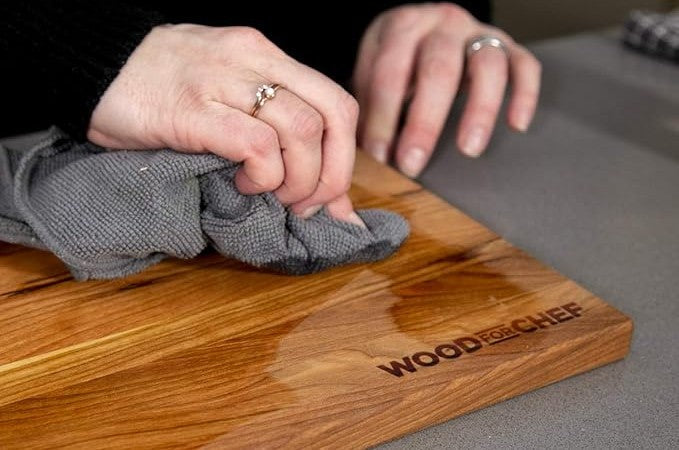
Your cutting board is more than just a kitchen tool—it’s where your meals begin. But do you know how to take care of it properly?
A well-maintained cutting board lasts longer, stays cleaner, and keeps your food safe. If you want to avoid cracks, stains, and bad odors, this guide is exactly what you need. Keep reading to discover simple and effective tips that will help you protect your cutting board and make your cooking experience smoother every day.

Credit: food52.com
Choosing The Right Cutting Board
Picking the right cutting board makes food prep safer and easier. You need a board that fits your kitchen needs and cleaning habits.
This guide looks at wood and plastic boards and how to choose the right size and thickness for your tasks.
Wood Vs. Plastic Boards
Wood and plastic cutting boards each have benefits. Wood boards are gentle on knives and can last long with care. Plastic boards are usually cheaper and easier to clean.
- Wood Boards:Better for heavy chopping and last longer.
- Plastic Boards:Dishwasher safe and good for raw meat.
- Cleaning:Plastic boards can go in the dishwasher; wood boards need hand washing.
- Knife Care:Wood boards are softer and keep knives sharp longer.
Size And Thickness Considerations
Choosing the right size and thickness depends on your kitchen space and cutting needs. Larger boards give more room but need more storage space.
| Size | Best Use | Storage |
|---|---|---|
| Small (8″ x 10″) | Quick tasks and small kitchens | Easy to store |
| Medium (12″ x 18″) | Everyday use | Needs some counter space |
| Large (18″ x 24″) | Big meals and multiple ingredients | Requires ample storage |
| Thickness | 1/2″ to 1″ thick boards are sturdy and stable | |

Credit: www.bambuhome.com
Cleaning Your Cutting Board
Keeping your cutting board clean is important for food safety. Proper cleaning stops bacteria from growing.
Different boards need different care. Wooden and plastic boards require special cleaning methods.
Daily Cleaning Techniques
Wash your cutting board after each use. Use hot water and mild soap to remove food bits.
Scrub gently with a sponge or brush. Rinse well to remove all soap and residue.
Dry the board fully with a clean towel. Stand it upright to air dry completely.
Avoiding Harsh Chemicals
Do not use bleach or strong cleaners on your cutting board. They can damage the surface.
Stick to gentle soaps and natural cleaners. They keep your board safe and lasting longer.
- Use mild dish soap
- Try vinegar as a natural cleaner
- Avoid bleach and ammonia
Dealing With Stains And Odors
Stains and smells can stay on your board if not cleaned well. Use simple tricks to fix this.
Rub lemon juice on the board to remove odors. Sprinkle salt and scrub to lift stains.
- Cut a lemon in half
- Rub it over the board surface
- Sprinkle coarse salt for scrubbing
- Rinse and dry well after cleaning
Drying And Storage Tips
Taking care of your cutting board helps it last longer. Drying and storing it right keeps it clean and safe to use.
Learn how to dry and store your cutting board to avoid damage and bacteria growth.
Proper Drying Methods
After washing, dry your cutting board quickly. Water can make wood swell and crack if left wet.
Use a clean towel to wipe the surface. Then, let it air dry standing up or on its side.
- Wipe with a dry cloth right after washing
- Stand the board upright to air dry
- Do not leave it flat on a surface while wet
- Avoid drying near heat sources that can cause warping
Safe Storage Practices
Store your cutting board in a dry place. Moist areas can cause mold and bacteria to grow.
Keep the board in a place with good air flow. Avoid stacking heavy items on top of it.
- Store upright to allow air circulation
- Keep away from damp spots like under the sink
- Do not stack other kitchen tools on the board
- Use a dedicated shelf or rack if possible
Maintaining With Oil And Conditioner
Cutting boards need care to stay strong and last longer. Oiling and conditioning help protect the wood from drying out.
Regular care keeps your board clean and safe for food. It also stops cracks and warping.
Choosing The Best Oils
Use oils that soak into the wood well. Food-safe oils work best to keep your board safe.
Avoid oils that can go rancid or leave a sticky feel. Some oils can harm your board over time.
- Mineral oil is a popular choice. It is safe and does not spoil.
- Walnut oil is natural and good for wood, but watch for allergies.
- Coconut oil works but may harden on the surface.
- Avoid vegetable oils like olive or canola; they can turn sticky.
How Often To Oil Your Board
Oil your cutting board regularly to keep it protected. The frequency depends on how much you use it.
Boards used daily may need oiling once a week. Less used boards can be oiled once a month.
- Check your board for dryness or dull spots.
- Apply oil if the wood looks dry or feels rough.
- Oiling too often can cause buildup; do not overdo it.
Applying Oil Correctly
Clean your board before applying oil. Remove all food and dry it well.
Use a clean cloth or paper towel to spread the oil evenly. Cover the entire surface and sides.
- Pour a small amount of oil on the board.
- Rub the oil in circular motions until the wood absorbs it.
- Let the board sit for a few hours or overnight.
- Wipe off any extra oil with a clean cloth.
- Repeat if the wood still looks dry.
Repairing Scratches And Cuts
Cutting boards get scratches and cuts from knives over time. Fixing these marks helps keep the board clean and safe.
Repairing scratches also keeps your board looking good and lasts longer.
Sanding Techniques
Use sandpaper to smooth out scratches and cuts on your cutting board. Start with coarse sandpaper to remove deep marks.
After sanding with rough paper, use finer sandpaper to make the surface smooth. Always sand in the direction of the wood grain.
- Begin with 80-grit sandpaper for deep scratches
- Switch to 120-grit sandpaper to smooth the surface
- Finish with 220-grit sandpaper for a soft finish
- Wipe the board clean after sanding
After sanding, apply mineral oil to protect the wood and keep it from drying out.
When To Replace Your Board
Replace your cutting board if deep cuts or cracks cannot be fixed with sanding. These can harbor bacteria and cause safety issues.
Also, replace the board if it splits or warps. A damaged board can harm your knives and food safety.
- Deep cracks that go through the board
- Warped or split wood
- Surface too damaged to sand smooth
- Strong odors or stains that don’t go away

Credit: www.haileyhome.com
Preventing Cross-contamination
Cross-contamination happens when harmful bacteria spread from one food to another. This can cause foodborne illnesses.
Using and caring for cutting boards properly helps stop bacteria from spreading in your kitchen.
Using Separate Boards For Different Foods
Use different cutting boards for raw meat, vegetables, and cooked foods. This prevents germs from moving between foods.
Label or color-code boards to keep track of their uses. This makes it easy to use the right board every time.
- One board for raw meat and poultry
- Another board for fruits and vegetables
- A separate board for cooked foods and bread
Sanitizing Tips
Clean your cutting boards well after each use. Washing removes food particles and germs.
Sanitize boards regularly to kill bacteria. Use safe cleaners that work well on wood or plastic.
- Wash boards with hot, soapy water after use
- Rinse and dry boards completely before storing
- Sanitize with a solution of 1 tablespoon bleach per gallon of water
- Let the bleach solution sit on the board for a few minutes, then rinse
- Replace boards if they have deep cuts or cracks where bacteria hide
Frequently Asked Questions
How Often Should I Oil My Cutting Board?
To maintain your cutting board, oil it once a month. Use food-grade mineral oil or beeswax to protect the wood. This helps prevent drying, cracking, and warping. Regular oiling keeps your board in good condition and extends its lifespan. Always ensure the board is clean and dry before applying oil.
Can I Put My Cutting Board In The Dishwasher?
No, do not put wooden cutting boards in the dishwasher. The heat and moisture can cause warping and cracking. Instead, hand wash with warm, soapy water and dry immediately. For deep cleaning, use a mixture of salt and lemon. This maintains the board’s integrity and prolongs its life.
How Do I Remove Stains From A Cutting Board?
To remove stains, sprinkle baking soda on the board. Scrub gently with a damp cloth or sponge. Rinse thoroughly with water and dry immediately. For stubborn stains, use a mixture of salt and lemon juice. Regular cleaning helps maintain the appearance and hygiene of your cutting board.
What Is The Best Way To Sanitize My Cutting Board?
Sanitize your cutting board by using white vinegar or hydrogen peroxide. Apply either liquid, let it sit for a few minutes, then rinse. Vinegar and hydrogen peroxide are effective at killing bacteria. Regular sanitizing ensures your board remains safe for food preparation.
Always dry thoroughly after cleaning and sanitizing.
Conclusion
Caring for your cutting board keeps it safe and long-lasting. Clean it well after each use to stop germs. Oil wooden boards often to prevent cracking and drying. Avoid soaking boards in water to keep them strong. Use separate boards for meat and vegetables to stay safe.
Simple care habits protect your board and your food. Keep these tips in mind for a healthy kitchen tool. Your cutting board will serve you well with this care. Easy steps make a big difference over time.