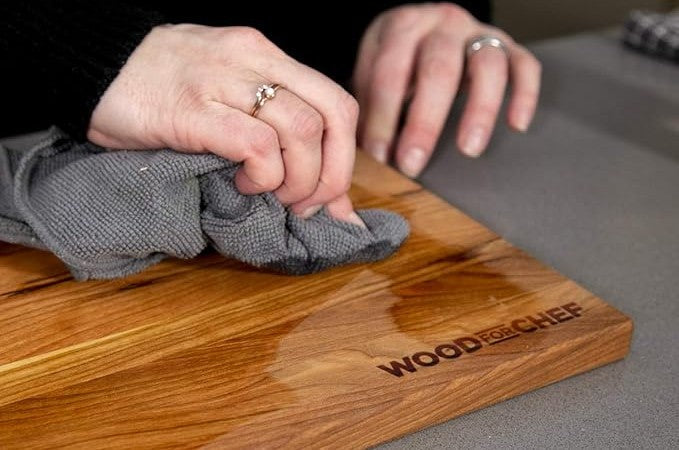
Your wood cutting board is more than just a kitchen tool—it’s a reliable companion that helps you prepare meals every day. But do you know the best way to care for it?
Without proper care, your board can crack, warp, or even harbor bacteria. This guide will show you simple, effective steps to keep your wood cutting board looking great and lasting for years. Stick with me, and you’ll learn how to protect your board while making your kitchen safer and more enjoyable.
Ready to give your cutting board the care it deserves? Let’s dive in!
Choosing The Right Wood Board
Choosing a good wood cutting board makes food prep easier and safer. The right board lasts longer and stays clean.
Wood boards come in different types, sizes, and patterns. Each factor affects how well the board works in your kitchen.
Hardwood Vs Softwood
Hardwood boards are strong and resist cuts. Softwood boards are softer and can get damaged fast. Most people choose hardwood for cutting boards.
- Hardwood examples: maple, walnut, cherry
- Softwood examples: pine, cedar, fir
- Hardwoods last longer and stay smooth
- Softwoods may absorb water and stains
Board Size And Thickness
Pick a size that fits your kitchen space and needs. Bigger boards offer more cutting area. Thickness adds stability and durability.
| Size | Use | Notes |
| Small (8×10 inches) | Quick tasks, small kitchens | Lightweight, easy to clean |
| Medium (12×18 inches) | Most kitchen tasks | Balanced size and weight |
| Large (18×24 inches or more) | Big meals, heavy chopping | Heavy, needs more storage space |
| Thickness (0.75 to 1.5 inches) | Stability and durability | Thicker boards last longer |
Grain Patterns And Durability
Grain affects how the board wears and how easy it is to clean. End grain boards are tough and hide cuts well. Edge grain boards look nice and cost less.
- End grain:Wood fibers stand up, making the board durable and knife-friendly.
- Edge grain:Fibers lie flat, creating a smooth surface but more prone to cuts.
- Face grain:Made from the flat side of the board, less durable and cuts show more.

Credit: food52.com
Cleaning Techniques
Wood cutting boards need special care to stay clean and last long. Proper cleaning removes food particles and stops bacteria growth.
Using the right cleaning methods keeps your board safe and looking good. Avoid damage by following simple steps every day.
Daily Cleaning Routine
After each use, wash your wood board with warm water and mild soap. Use a soft sponge or cloth to scrub gently.
Rinse well and wipe dry with a clean towel. Stand the board upright to air dry fully before storing it.
Avoiding Harsh Chemicals
Do not use bleach or strong detergents on wood boards. These chemicals can damage the wood and remove natural oils.
Stick to mild soap and water to keep the board safe and healthy. Harsh chemicals may also leave harmful residues.
Sanitizing Safely
To sanitize your wood cutting board, use a vinegar solution or diluted hydrogen peroxide. These are safe and kill germs.
Spray the solution on the board, let it sit for a few minutes, then rinse with water. Dry the board completely afterward.
Drying And Storage
Taking care of a wood cutting board includes drying and storing it properly. These steps keep the board safe from damage.
Good drying and storage help your cutting board last longer and stay clean.
Proper Drying Methods
Dry your wood cutting board right after washing. Use a clean towel to remove water. Do not leave it wet or soaked.
Air drying is best. Stand the board on its edge to let air flow around it. This stops moisture from building up.
- Wipe dry with a towel immediately after washing
- Place the board upright on its edge
- Let air circulate freely around the board
- Avoid stacking boards while drying
Preventing Warping And Cracking
Wood changes shape if it gets too wet or too dry. Warping and cracking happen from uneven moisture.
Keep your cutting board stable by controlling moisture. Use oil to protect the wood and stop drying out.
- Do not soak the board in water
- Apply food-safe mineral oil regularly
- Keep the board away from heat sources
- Do not put the board in the dishwasher
Ideal Storage Locations
Store your wood cutting board in a dry place with good air flow. Avoid damp or very hot spots.
Keep the board standing upright or flat on a dry surface. This helps keep its shape and stops damage.
- Choose a dry, well-ventilated area
- Store the board upright or flat
- Avoid placing it near the stove or sink
- Do not stack heavy items on top
Seasoning And Oiling
Caring for a wood cutting board keeps it safe and long-lasting. Seasoning and oiling protect the wood from drying out and cracking.
This guide covers how to choose the right oil, oil your board correctly, and how often to oil it.
Choosing The Right Oil
Pick an oil that is safe for food and will not go rancid. Avoid cooking oils that spoil easily.
- Food-grade mineral oil is the most common choice.
- Coconut oil is stable and resists spoilage.
- Beeswax can be mixed with oil for extra protection.
- Do not use vegetable or olive oil as they can become sticky.
How To Oil Your Board
Apply oil evenly on all surfaces of the board. Let the oil soak in before wiping off the excess.
| Step | Action |
| 1 | Clean the board with warm water and mild soap. |
| 2 | Dry the board completely before oiling. |
| 3 | Pour a small amount of oil onto the board. |
| 4 | Use a cloth to rub the oil into the wood in circular motions. |
| 5 | Let the board sit for 4-6 hours or overnight. |
| 6 | Wipe off any extra oil with a clean cloth. |
Frequency Of Oiling
How often you oil depends on how much you use the board and the climate in your home.
- Oiling once a month is good for frequent use.
- Less use or humid areas may only need oiling every three months.
- Look for dry spots or cracks as signs to oil more often.
Removing Stains And Odors
Wood cutting boards can hold stains and smells from food. Cleaning them well keeps them fresh. This guide helps remove stains and odors safely.
Using natural methods protects the wood and makes your board last longer. Learn simple ways to clean and deodorize your cutting board.
Natural Deodorizers
Certain natural ingredients help remove bad smells from wood cutting boards. These options are safe and easy to use in your kitchen.
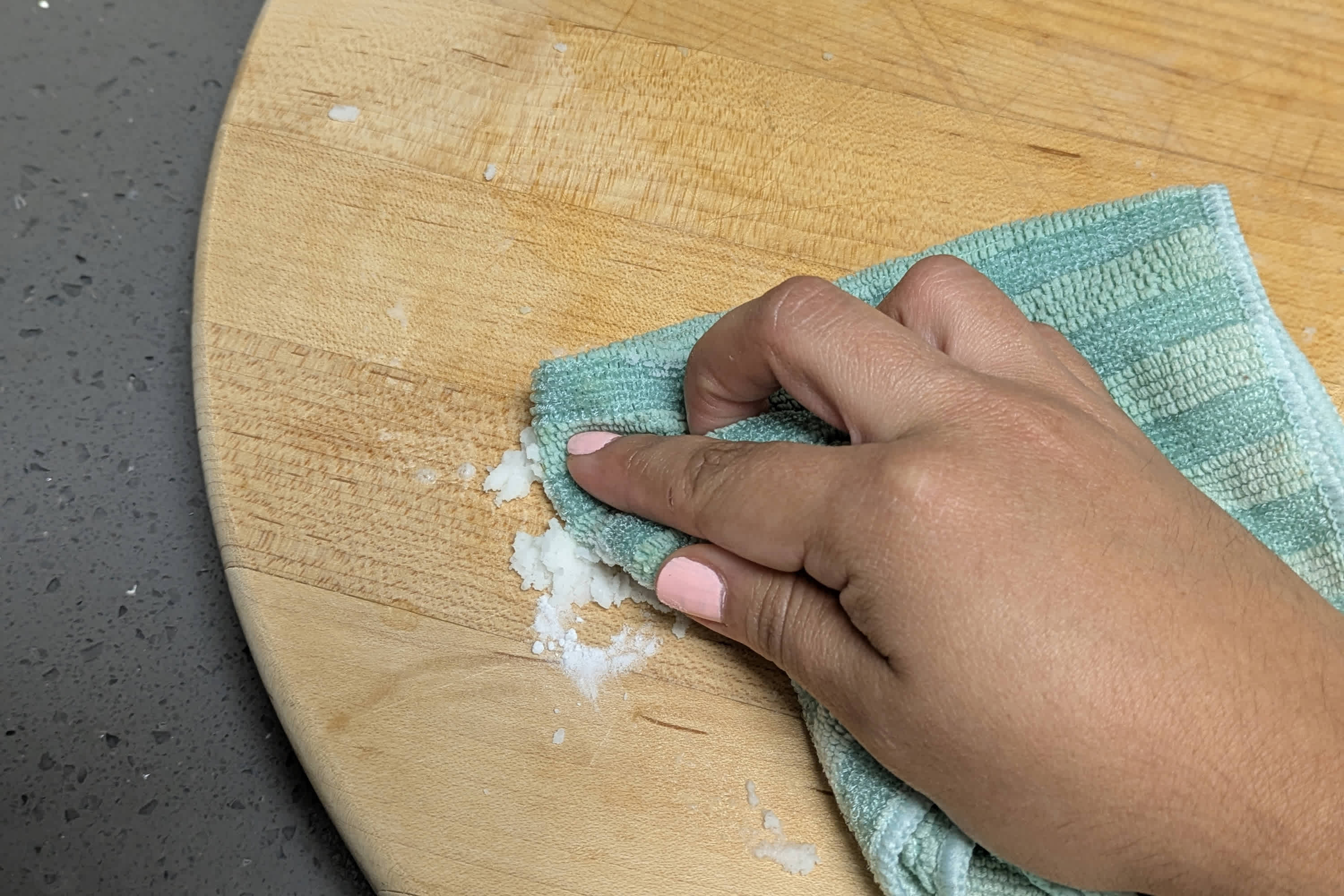
- Lemon:Rub lemon juice on the board and let it sit for a few minutes. Rinse with warm water.
- Baking Soda:Sprinkle baking soda on the board. Scrub gently with a damp cloth then rinse.
- White Vinegar:Wipe the board with vinegar to kill bacteria and neutralize odors.
- Salt:Use coarse salt with lemon to scrub away smells and stains.
Stain Removal Techniques
Stains can be tough but there are ways to treat them without harming the wood. Try these methods to clean your board deeply.
| Method | How to Use |
| Salt and Lemon | Sprinkle salt on the stain. Rub with half a lemon. Let sit 5 minutes, then rinse. |
| Baking Soda Paste | Mix baking soda and water to make paste. Apply on stain. Scrub gently and rinse. |
| Hydrogen Peroxide | Pour a small amount on stain. Let it bubble for a few minutes. Wipe clean. |
| Sandpaper (Fine Grit) | Lightly sand the stained area. Wipe off dust and oil the board. |

Credit: menwiththepot.com
Repairing Minor Damage
Wood cutting boards can get scratches, cracks, or splits with use. Fixing small damage helps your board last longer. You can repair these issues at home with simple tools.
Regular care keeps your cutting board safe and smooth. Fixing minor damage also stops germs from hiding in the wood.
Sanding Scratches
Light scratches make the board look worn and rough. Sanding smooths out these scratches and refreshes the surface. Use fine-grit sandpaper for best results.
Start by cleaning the board. Then sand in the wood grain direction. Wipe away dust with a damp cloth after sanding.
- Choose 120 to 220 grit sandpaper
- Sand gently along the grain
- Remove dust with a clean cloth
- Apply mineral oil after sanding
Fixing Cracks And Splits
Cracks and splits can trap food and bacteria. Fixing them keeps your board safe and strong. Use food-safe wood glue and clamps to close small cracks.
After glue dries, sand the area smooth. For larger splits, consider replacing the board to avoid health risks.
- Clean the crack area well
- Apply food-safe wood glue inside the crack
- Clamp the board tightly until glue dries
- Sand the repaired area smooth
- Oil the board to protect the wood
Avoiding Common Mistakes
Wood cutting boards need special care to last long. Many people make simple mistakes that damage their boards.
Knowing what to avoid helps keep your wood board clean and strong.
Dishwasher Hazards
Putting a wood cutting board in the dishwasher is harmful. The heat and water can crack and warp the wood.
Dishwashers also remove the natural oils from the board, making it dry and brittle.
- Never place wood boards in the dishwasher
- Hand wash with mild soap and warm water instead
- Dry immediately after washing
Prolonged Water Exposure
Leaving a wood cutting board wet for a long time causes problems. Water soaks into the wood and can cause swelling and cracks.
Standing water also encourages bacteria growth, making the board unsafe for food.
- Do not soak your wood board in water
- Wash quickly with a sponge or cloth
- Always dry the board with a towel right after cleaning
Using The Wrong Cleaning Tools
Using harsh brushes or scrubbers can damage the surface of your wood board. They can create scratches where bacteria hide.
Avoid steel wool or rough pads. These tools wear down the wood and remove its protective layer.
- Use soft sponges or cloths for cleaning
- Choose mild dish soap without strong chemicals
- Use a plastic scraper for stuck-on food instead of metal tools
Credit: www.thekitchn.com
Frequently Asked Questions
How Often Should I Oil My Wood Cutting Board?
Oiling your wood cutting board is essential for its longevity. Ideally, oil it once a month. Regular oiling prevents the board from drying out and cracking. Use food-grade mineral oil for the best results. This practice maintains the board’s condition and enhances its appearance.
Can I Put My Wood Cutting Board In The Dishwasher?
No, avoid putting a wood cutting board in the dishwasher. The heat and water can warp and crack it. Instead, hand wash with warm soapy water. Rinse and dry it immediately. This method preserves the board’s structure and extends its lifespan.
What Is The Best Oil For Wood Cutting Boards?
Food-grade mineral oil is the best choice for wood cutting boards. It’s safe, odorless, and penetrates the wood well. This oil helps in sealing the wood and prevents moisture absorption. Regular application keeps the board looking vibrant and well-maintained.
How Do I Remove Stains From A Wood Cutting Board?
To remove stains, sprinkle salt or baking soda on the board. Rub with a lemon half, then rinse. This natural method effectively lifts stains and eliminates odors. Repeat if necessary for stubborn spots. Regular cleaning maintains the board’s hygiene and appearance.
Conclusion
Proper care keeps your wood cutting board strong and clean. Regular oiling stops the wood from drying out. Clean it gently with soap and water after use. Avoid soaking it in water to prevent warping. Store the board in a dry place to keep it fresh.
Small cracks can be sanded down for smoothness. Following these steps helps your board last longer. A well-kept board makes cooking safer and easier. Simple habits protect your investment every day. Caring for your board is easy and worth it.