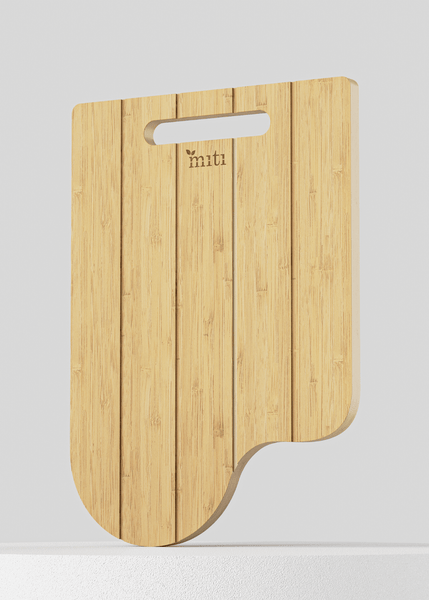
Your bamboo cutting board is more than just a kitchen tool—it’s a reliable partner for every meal you prepare. But do you know how to keep it in top shape?
Proper care can make your bamboo board last longer, stay cleaner, and look better. If you want to avoid cracks, stains, and unwanted odors, this guide is exactly what you need. Keep reading, and you’ll discover simple, effective tips to protect your bamboo cutting board and make your cooking experience even more enjoyable.
Choosing The Right Bamboo Board
Picking the right bamboo cutting board helps keep your kitchen safe and clean. A good board lasts longer and protects your knives.
Understanding different types, quality signs, and size helps you make the best choice for your needs.
Types Of Bamboo Boards
Bamboo boards come in several types based on how they are made. Each type has different looks and uses.
- Edge-grain:Strips of bamboo glued side by side. It is smooth and good for light tasks.
- End-grain:Bamboo pieces glued with ends facing up. It is stronger and better for heavy chopping.
- Flat-grain:Bamboo layers glued flat. It is cheaper but less durable.
Quality Indicators
Check the board for quality to ensure it lasts long and stays safe for food. Look for smooth surfaces without cracks.
Good quality boards have tight, even glue joints and no sharp edges. They should feel solid and not too light.
- Natural color without dark spots or stains
- Non-toxic, food-safe finish or untreated bamboo
- Even surface with no splinters
- Strong glue that holds the bamboo pieces firmly
Size And Thickness Considerations
Choose a size that fits your kitchen space and cooking needs. Larger boards allow more workspace but need more storage space.
Thickness affects durability. Thicker boards last longer and resist warping but weigh more.
- Small boards: easy to store, good for quick tasks
- Medium boards: versatile, fits most kitchens
- Large boards: best for big meals and heavy chopping
- Thickness range: 0.5 to 1.5 inches for strength and stability
Credit: cheesegrotto.com
Initial Cleaning Steps
Caring for a bamboo cutting board starts with proper cleaning. This helps keep the board safe and lasting longer.
Follow simple steps to wash, avoid damage, and dry the board correctly after use.
Washing Techniques
Use warm water and mild soap to clean your bamboo cutting board. Avoid soaking it for too long as bamboo can absorb water.
- Rinse the board with warm water right after use
- Apply a gentle dish soap with a soft sponge
- Scrub both sides thoroughly to remove food residues
- Rinse off all soap with clean water
- Wipe the board dry with a clean towel immediately
Avoiding Harsh Chemicals
Harsh chemicals can damage bamboo fibers and make the board unsafe for food. Skip bleach, strong detergents, and abrasive cleaners.
| Safe Cleaners | Unsafe Cleaners |
| Mild dish soap | Bleach |
| White vinegar diluted with water | Ammonia |
| Baking soda paste | Abrasive scrub pads |
Drying Properly
Drying your bamboo cutting board well stops mold and cracking. Do not leave it wet or in a damp place.
- Use a clean towel to dry the board after washing
- Stand the board upright to air dry completely
- Keep it away from direct sunlight or heat sources
- Store in a dry, well-ventilated area
Regular Maintenance Tips
Caring for your bamboo cutting board keeps it strong and safe to use. Regular maintenance stops damage and extends its life.
Simple habits can keep your board clean and looking good. Follow these tips to maintain your bamboo board well.
Oiling Frequency And Methods
Oil your bamboo board every few weeks or when it looks dry. Oiling stops the wood from drying out and cracking.
Use a clean cloth to spread oil evenly on the surface. Let the oil soak in for a few hours or overnight, then wipe off extra oil.
- Apply oil in thin, even layers
- Allow the board to absorb the oil fully
- Wipe off any excess oil after soaking
Using Food-safe Oils
Use oils that are safe for food contact. These oils protect the board without harming your health.
Mineral oil is a popular choice because it does not go rancid. Other good options include coconut oil and walnut oil.
- Choose pure mineral oil for easy care
- Coconut oil adds moisture and smells nice
- Walnut oil is natural but watch for allergies
Preventing Cracks And Warping
Keep your bamboo board dry and avoid soaking it in water. Water causes wood to swell and warp over time.
Store the board in a dry, cool place. Avoid putting it near heat sources or in direct sunlight.
- Dry board completely after washing
- Do not soak or put in dishwasher
- Store flat or upright in a ventilated area
- Avoid heat and sunlight exposure

Credit: forest-decor.com
Handling Stains And Odors
Bamboo cutting boards can absorb stains and smells from food. Proper care keeps them clean and fresh. Learning to handle stains and odors helps your board last longer.
Using the right cleaning methods removes unwanted marks and smells. Avoid harsh treatments that can damage the bamboo surface.
Natural Cleaning Solutions
Natural cleaners are safe for bamboo and effective. They help remove stains without harming the board.
Common natural cleaners include lemon juice and white vinegar. These ingredients break down stains and kill bacteria.
- Rub lemon juice on stains, let it sit for a few minutes, then rinse.
- Spray or wipe white vinegar on the board to disinfect and freshen it.
- Use baking soda paste for tougher stains by scrubbing gently.
Removing Persistent Smells
Strong odors can stay on bamboo if not treated properly. Neutralize smells with natural ingredients.
Using baking soda or coffee grounds absorbs bad smells. Let them sit on the board for some time before rinsing.
- Sprinkle baking soda on the board, leave for 15 minutes, then wipe clean.
- Rub used coffee grounds over the surface, then rinse well.
- Air dry the board in a well-ventilated area to remove any lingering odor.
Avoiding Abrasive Scrubbing
Do not use rough scrubbers on bamboo boards. They can scratch and damage the surface.
Use soft sponges or cloths to clean the board. Gentle scrubbing removes stains without harm.
- Avoid steel wool or hard brushes.
- Clean with a soft sponge and mild soap.
- Dry the board with a towel after washing to prevent water damage.
Safe Usage Practices
Bamboo cutting boards are great tools in the kitchen. They are strong and last a long time. To keep them safe and clean, follow some simple rules.
Using your bamboo board properly helps stop germs and keeps your food fresh. Learn how to use it safely every day.
Avoiding Cross-contamination
Cross-contamination happens when germs move from one food to another. This can cause sickness. Use your bamboo board to cut only one type of food at a time.
Clean the board well after cutting raw meat or fish before using it for other foods like vegetables or bread.
- Use separate boards for raw meat and vegetables
- Wash the board with hot, soapy water after use
- Sanitize the board regularly with a safe solution
- Dry the board fully before storing it
Proper Cutting Techniques
Cut gently to keep your bamboo board in good shape. Avoid heavy chopping or using sharp knives carelessly. This stops deep cuts and damage.
Use a smooth, rocking motion with your knife. This protects the board and keeps your knives sharp longer.
- Use knives that are sharp and clean
- Cut food with light, even pressure
- Do not chop bones or hard objects on the board
- Turn the board to use fresh areas for cutting
Keeping Board Dry Between Uses
Moisture can harm bamboo boards. Water left on the surface causes cracks or warping. Always dry your board well after washing.
Store the board in a dry place. Let air flow around it so it can stay fresh and last longer.
- Wipe the board with a clean towel after washing
- Stand the board upright to air dry fully
- Avoid soaking the board in water
- Do not put the board in a dishwasher
Storage Recommendations
Taking care of your bamboo cutting board starts with storing it properly. Good storage helps keep it dry and clean. This prevents damage and extends its life.
Learn how to store your bamboo board to avoid common problems like warping or mold. Follow these simple tips for the best results.
Ideal Storage Conditions
Store bamboo cutting boards in a dry place away from direct sunlight. Moist or humid areas can cause the wood to swell or crack. Keep it in a spot with good air flow.
Avoid places near the stove or dishwasher. Heat and steam can dry out the bamboo and make it brittle. A cool, dry kitchen cabinet is best.
Preventing Mold And Mildew
Mold and mildew grow in damp places. Always dry your bamboo board well before storing it. Wipe off all water with a clean cloth after washing.
Do not stack wet boards together. This traps moisture and creates the perfect conditions for mold. Let the board air dry completely before putting it away.
- Dry board thoroughly after use
- Store in a well-ventilated area
- Avoid stacking wet boards
- Check regularly for any signs of mold
Storing Vertically Vs. Horizontally
Storing bamboo boards vertically helps air flow around them. This reduces moisture buildup and keeps them dry. Use a rack or stand to keep boards upright.
Horizontal storage can trap moisture between surfaces. If you store boards flat, make sure they are fully dry. Avoid stacking heavy items on top to prevent warping.
- Vertical storage encourages drying
- Horizontal storage needs careful drying first
- Do not stack heavy items on boards
- Use racks or stands for vertical storage
When To Replace Your Bamboo Board
Bamboo cutting boards are strong and last a long time. Still, they wear out after daily use. Knowing when to replace your board keeps your kitchen safe.
Replacing your bamboo board on time helps avoid bacteria growth. It also keeps your food tasting fresh and your kitchen clean.
Signs Of Wear And Damage
Look for cracks, deep cuts, or splits on your bamboo board. These can trap food particles and germs. Also check if the board feels rough or warped.
If your board smells bad or stains do not come off after cleaning, it may be time to replace it. These signs show the board is worn out.
- Cracks or splits in the wood
- Deep cuts that are hard to clean
- Warping or uneven surfaces
- Persistent bad odors
- Stains that do not fade
Ensuring Food Safety
Old bamboo boards can hold bacteria even after washing. Replace your board if it no longer cleans well. This keeps your food safe and healthy.
Use separate boards for raw meat and vegetables. This prevents cross-contamination. Always dry your board well to avoid mold growth.
- Replace boards with deep cuts or cracks
- Clean boards after every use
- Dry boards completely before storing
- Use different boards for different foods
Recycling Or Repurposing Old Boards
Do not throw away old bamboo boards right away. You can recycle or reuse them in creative ways. This helps reduce waste and saves money.
Use old boards as small shelves, plant stands, or craft bases. Sand and clean them well before reuse. Check if your local recycling center accepts bamboo.
- Turn old boards into kitchen shelves
- Create plant stands or garden markers
- Use as a base for craft projects
- Check local recycling options for bamboo

Credit: www.amazon.com
Frequently Asked Questions
How Often Should I Oil My Bamboo Cutting Board?
Oil your bamboo cutting board once a month to maintain moisture. This prevents cracking and warping. Use food-grade mineral oil or bamboo board conditioner for best results.
Can Bamboo Cutting Boards Go In The Dishwasher?
No, avoid putting bamboo cutting boards in the dishwasher. Excessive heat and water can cause warping and splitting. Hand wash with mild soap and warm water instead.
How Do I Remove Stains From Bamboo Cutting Boards?
To remove stains, sprinkle baking soda on the board. Scrub gently with a damp cloth or sponge. Rinse with warm water and dry immediately to prevent moisture damage.
Is Bamboo Cutting Board Better Than Wood Or Plastic?
Bamboo boards are eco-friendly, durable, and naturally antimicrobial. They resist knife marks better than plastic and are less porous than wood, reducing bacteria buildup. They offer a sustainable option for kitchen use.
Conclusion
Caring for your bamboo cutting board keeps it strong and safe. Clean it gently with warm water and mild soap. Dry it well to stop cracks or warping. Oil the board often to keep it smooth and shiny. Avoid soaking it in water or using harsh chemicals.
With simple care, your bamboo board lasts many years. A well-kept board helps keep your food fresh and healthy. Small steps make a big difference. Enjoy cooking with your bamboo cutting board every day.