Your butcher block cutting board is more than just a kitchen tool—it’s a trusted partner in every meal you prepare. But to keep it looking great and lasting for years, you need to care for it the right way.
If you’re wondering how to prevent cracks, stains, or warping, this guide is exactly what you need. By following simple, easy steps, you’ll protect your board and make sure it stays safe and beautiful every time you cook. Ready to learn how to give your butcher block the care it deserves?
Keep reading and discover the secrets to keeping your cutting board in top shape.

Credit: homewithgraceandjoy.com
Choosing The Right Butcher Block
Picking the right butcher block is important for good care and long use. You want a board that fits your kitchen needs and lasts a long time.
Think about the wood type, size, and thickness before buying. These factors affect how well the board works and how easy it is to maintain.
Types Of Wood
Different woods have different qualities for butcher blocks. Some woods are hard and durable. Others are softer but easier to clean.
Choose wood that resists cuts and scratches. Hardwoods like maple and walnut are popular choices. They last longer and are safe for food.
- Maple: Very hard and durable
- Walnut: Strong with a dark color
- Cherry: Medium hardness with warm tones
- Beech: Affordable and sturdy
Size And Thickness Considerations
Size matters for your kitchen space and tasks. Bigger boards give more cutting space but need more storage room.
Thickness affects how strong the board is. Thicker blocks are heavier but last longer and stay flat better.
- Small (12×18 inches): Easy to store, good for light use
- Medium (18×24 inches): Most popular size for daily use
- Large (24×36 inches): Best for big tasks and lots of space
- Thickness: 1.5 to 2 inches is common for strength

Credit: ca.maisonrodin.com
Daily Cleaning Tips
Butcher block cutting boards need special care to last long. Daily cleaning keeps them safe and fresh for food.
Use the right cleaning steps to avoid damage and keep your board looking good.
Safe Cleaning Methods
Clean your butcher block with mild soap and warm water after each use. Avoid harsh chemicals that can harm the wood.
Use a soft sponge or cloth to gently scrub the surface. Rinse well and dry with a clean towel right away.
- Use mild dish soap
- Clean with a soft sponge or cloth
- Rinse with warm water
- Dry immediately with a towel
Avoiding Water Damage
Do not soak your butcher block in water. Too much water can cause the wood to crack or warp.
Keep the board dry by wiping it after cleaning. Store it in a dry place, standing up if possible.
- Never soak the board in water
- Wipe dry right after washing
- Store in a dry area
- Stand board upright to air dry
Deep Cleaning Techniques
Keeping your butcher block cutting board clean helps it last longer. Deep cleaning removes dirt and germs that regular washing misses.
This guide covers how to remove stains and deodorize your board safely and effectively.
Removing Stains
Stains can happen from fruits, vegetables, or raw meat. Act quickly to stop stains from setting in.
- Sprinkle coarse salt over the stained area.
- Rub the salt with half a lemon, squeezing juice as you scrub.
- Let it sit for five minutes to lift the stain.
- Rinse with warm water and dry with a clean cloth.
Deodorizing The Board
Strong smells can linger on your board. Use natural ingredients to remove odors safely.
| Ingredient | How to Use |
| Baking Soda | Sprinkle over board, scrub gently, then rinse. |
| White Vinegar | Wipe board with vinegar, let sit for 10 minutes, then rinse. |
| Tea Tree Oil | Add a few drops to water, wipe board, then dry. |
Oiling And Conditioning
Butcher block cutting boards need regular care to stay strong and look good. Oiling and conditioning help protect the wood from drying out and cracking. This guide explains how to keep your board in top shape.
Proper oiling also stops water from soaking into the wood. This prevents stains and warping. Learning the right oil and method makes a big difference.
Choosing The Best Oil
Pick an oil that is safe for food contact and easy to apply. Some oils can go bad or leave a sticky finish. Here are good options for butcher block boards.
- Mineral oil: Food-safe and odorless. It soaks in well and lasts long.
- Walnut oil: Natural and safe, but avoid if you have nut allergies.
- Coconut oil (refined): Dries well and resists water. Use refined to avoid smell.
- Beeswax blends: Offer extra protection. Often mixed with mineral oil.
How Often To Oil
Oiling frequency depends on use and environment. Dry or warm places need more frequent oiling. Use this table to guide your care routine.
| Use Level | Oiling Frequency |
|---|---|
| Heavy Use (daily) | Once a week |
| Medium Use (few times a week) | Every 2 weeks |
| Light Use (once a week or less) | Once a month |
| Dry Climate | More often than normal |
| Humid Climate | Less often than normal |
Application Steps
Follow these steps to oil your butcher block properly. This keeps your board smooth and protected.
- Clean the board with warm, soapy water and dry it completely.
- Pour a small amount of oil on the surface.
- Use a clean cloth to spread the oil evenly over the entire board.
- Let the oil soak in for at least 20 minutes or overnight for best results.
- Wipe off any extra oil with a dry cloth.
- Repeat the process if the wood looks dry or dull.
Preventing Cracks And Warping
Butcher block cutting boards need care to stay smooth and strong. Cracks and warping can happen if they get too dry or wet. Proper care helps keep them flat and crack-free for a long time.
Storing your board the right way and keeping the right temperature and humidity can stop damage. Here are some tips to protect your butcher block cutting board.
Proper Storage
Store your butcher block cutting board in a dry place away from direct sunlight. Sunlight and moisture can cause the wood to crack or warp. Always keep the board standing on its side or flat on a dry surface.
- Keep the board away from sinks or wet areas.
- Do not store the board flat if it is wet; air dry it first.
- Use a rack or stand to store the board vertically.
- Avoid placing heavy items on top of the board.
Temperature And Humidity Tips
Wood expands and contracts with changes in temperature and humidity. Too much moisture can cause swelling, while dry air can cause shrinking and cracks. Keep your board in a stable environment to prevent damage.
| Condition | Recommended Range | Effect on Board |
| Room Temperature | 65°F to 75°F (18°C to 24°C) | Prevents wood from expanding or contracting too fast |
| Humidity Level | 40% to 60% | Keeps wood balanced and reduces cracking or warping |
| Avoid | Extreme heat or cold, high moisture | Causes board to crack, warp, or split |

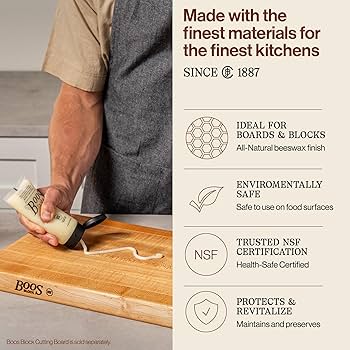
Credit: www.amazon.ca
Repairing Minor Damage
Butcher block cutting boards can get scratches and small cracks. Fixing these keeps the board safe and looking good. You can repair minor damage at home with simple tools.
Regular care helps the board last longer and stay strong. Learn how to sand scratches and fill gaps to keep your board in top shape.
Sanding Scratches
Sanding removes scratches and smooths the surface of your board. Use fine-grit sandpaper to avoid deep marks. Always sand along the grain of the wood.
After sanding, wipe the board clean with a damp cloth. Let it dry before applying any oil to protect the wood.
Filling Gaps And Cracks
Small gaps and cracks can trap bacteria. Fill them with food-safe wood filler or a mix of sawdust and mineral oil. This keeps the board safe and strong.
Apply the filler with a putty knife and let it dry fully. Sand the area smooth and clean before using the board again.
Avoiding Common Mistakes
Butcher block cutting boards need special care to last long. Many people make simple mistakes that damage the wood.
Knowing what not to do helps keep your board smooth and clean for years.
What Not To Do
Do not soak your butcher block in water. Water can make the wood swell and crack.
Avoid using harsh chemicals or bleach. They can dry out the wood and cause damage.
- Never put your board in the dishwasher
- Do not leave it wet after washing
- Avoid cutting on the same spot continuously
- Do not use metal scrubbers on the surface
Tips For Longevity
Oil your butcher block regularly with food-safe oil. This keeps the wood from drying out and cracking.
Clean your board with mild soap and warm water. Dry it quickly with a towel after washing.
- Use mineral oil or beeswax to treat the board
- Store it in a dry place away from heat
- Sand the surface lightly if it gets rough
- Rotate the board during use to spread wear evenly
Frequently Asked Questions
How Often Should I Oil My Butcher Block?
You should oil your butcher block every 3-4 weeks. Regular oiling helps maintain its moisture and prevents cracking. Use food-grade mineral oil for best results. Ensure the surface is clean and dry before applying oil. Let the oil soak overnight for optimal absorption.
Can I Use Vinegar On A Butcher Block?
Yes, vinegar can be used to clean a butcher block. It’s a natural disinfectant that kills bacteria. Mix equal parts vinegar and water. Wipe the surface gently and dry immediately. Avoid soaking the wood, as excess moisture can cause damage.
What Oil Is Best For Butcher Block Care?
Food-grade mineral oil is ideal for butcher block care. It’s non-toxic and prevents wood from drying out. Apply generously and let it soak overnight. Avoid using vegetable oils, as they can turn rancid over time. Reapply oil regularly for best results.
How Do I Remove Stains From A Butcher Block?
To remove stains, use a paste of baking soda and water. Gently scrub the stained area using a soft cloth. Rinse with water and dry immediately. For tougher stains, lemon juice and salt can help. Always test on a small area first.
Conclusion
Caring for your butcher block cutting board keeps it strong and safe. Clean it well after each use with mild soap and water. Dry it quickly to stop warping or cracks. Oil the board regularly to keep the wood healthy and shiny.
Avoid soaking or putting it in the dishwasher. These simple steps help your board last longer and look great. A well-cared board makes cooking easier and more enjoyable. Give it a little attention, and it will serve you well for years.
Easy care, big rewards.