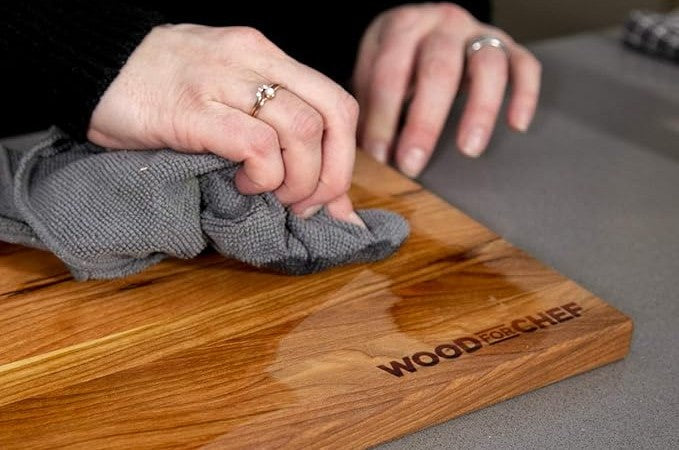
Your cutting board is more than just a kitchen tool—it’s where your meals begin. But do you know the best way to care for it?
Taking proper care of your cutting board keeps it safe, clean, and long-lasting. If you want to avoid cracks, stains, and harmful bacteria, this guide is for you. Keep reading to discover simple, effective tips that will protect your board and make your cooking safer and easier every day.
Choosing The Right Cutting Board
Picking the right cutting board is important for your kitchen. It keeps your food safe and your knives sharp.
Different boards fit different cooking styles and needs. Think about materials, size, and care before buying.
Wood Vs Plastic
Wood and plastic are the most common cutting board materials. Each has good and bad points.
Wood boards are gentle on knives and look nice. Plastic boards are lighter and easier to clean.
- Wood boards resist deep cuts and bacteria if cared for well
- Plastic boards can go in the dishwasher for easy cleaning
- Wood may need oiling to stay strong
- Plastic can wear down faster and show knife marks
Size And Thickness
Choose a cutting board size that fits your kitchen space and tasks. Bigger boards offer more room but take more space.
Thickness adds durability. Thin boards can warp or break, while thick boards last longer and stay stable.
- Small boards suit simple tasks and small kitchens
- Large boards work well for big meals and many ingredients
- Thicker boards resist warping and slipping
- Thinner boards are easier to store but less durable
Maintenance Needs
How you care for a cutting board affects its life and safety. Some boards need more work than others.
Wood boards often need regular oiling to prevent drying. Plastic boards only need washing and drying well.
- Wood boards should be hand-washed and oiled
- Plastic boards can be cleaned in the dishwasher
- Keep boards dry to stop bacteria growth
- Replace boards that have deep cuts or cracks

Credit: food52.com
Cleaning Techniques
Cutting boards need proper care to stay clean and safe. Good cleaning stops bacteria and keeps the board in great shape.
We will explain daily washing, deep cleaning, and how to avoid cross-contamination. These tips help your cutting board last longer.
Daily Washing Tips
Wash your cutting board right after use to remove food bits and germs. Use warm water and dish soap for best results.
Rinse well and dry the board completely. Wet boards can grow mold and bacteria faster.
- Use a sponge or brush with soap and warm water
- Rinse thoroughly to remove all soap
- Dry with a clean towel or air dry upright
Deep Cleaning Methods
Deep cleaning removes stains and odors that daily washing misses. Use natural cleaners like vinegar or lemon.
Sprinkle coarse salt and rub with half a lemon. Let it sit for a few minutes, then rinse well.
- Apply white vinegar to disinfect
- Use baking soda paste to scrub tough stains
- Oil wooden boards after cleaning to prevent cracking
Avoiding Cross-contamination
Cross-contamination spreads germs between raw and cooked foods. Use separate boards for meat, vegetables, and bread.
Clean boards well between uses and never mix raw meat juices with other foods.
- Label or color-code boards for different food types
- Wash hands before and after handling raw foods
- Replace old boards with deep grooves where bacteria hide
Proper Drying And Storage
Taking care of your cutting board helps it last longer. Drying and storing it correctly stops damage and keeps it safe.
Follow simple steps to dry and store your cutting board the right way. This prevents warping and cracking.
Air Drying Best Practices
After washing, dry your cutting board with a towel first. Then, let it air dry completely before storing it.
- Place the board upright to allow air flow on all sides.
- Use a dish rack or stand to keep it off flat surfaces.
- Keep it away from direct sunlight or heat sources.
- Make sure it is fully dry before putting it away.
Storage Conditions
Store your cutting board in a cool, dry place. Avoid damp areas that can cause mold or bacteria growth.
| Storage Location | Why It Works |
| Kitchen Cabinet | Protects from dust and moisture |
| Open Shelf | Allows air circulation |
| Dish Rack | Keeps board upright and dry |
| Near Heat Source | Can dry board too fast and crack |
Preventing Warping And Cracks
Wood cutting boards can warp or crack if not cared for properly. Keep moisture balanced and avoid harsh conditions.
- Do not soak the board in water for long times.
- Apply mineral oil regularly to keep wood hydrated.
- Store the board standing upright, not flat.
- Avoid placing heavy objects on top of the board.
- Keep the board out of extreme hot or cold areas.
Regular Conditioning
Conditioning your cutting board keeps it smooth and strong. It stops the wood from drying out and cracking.
Regular care extends the life of your board and keeps it safe for food use.
Choosing The Right Oil
Use oils that do not go rancid and are safe for food contact. Food-grade mineral oil is a popular choice. Other good options include walnut oil and beeswax blends.
- Avoid cooking oils like olive or vegetable oil as they can spoil.
- Pick oils labeled as food safe or food grade.
- Consider oils that soak in well and protect the wood.
Applying Oil Correctly
Apply oil on a clean, dry board. Pour a small amount and spread it evenly with a soft cloth. Rub the oil into the wood using circular motions.
| Application Tips | Details |
|---|---|
| Use a clean cloth | To avoid dirt and debris |
| Cover all surfaces | Include sides and edges |
| Let oil soak | Leave for at least 2 hours or overnight |
| Remove excess oil | Wipe off with a dry cloth |
Frequency Of Conditioning
How often you oil depends on use and wood type. A good rule is to condition monthly if you use the board often.
- Oil once a month with regular use.
- Oil more often if the board feels dry.
- Skip oiling if the board is oily or sticky.
Repairing And Refinishing
Cutting boards need care to stay safe and look good. Repairing and refinishing helps keep your board strong and clean. This guide shows how to fix common problems and keep your board smooth.
Some damage can be fixed at home. You can remove stains, odors, and scratches. You can also know when it is time to replace your board. Proper care makes your board last longer.
Removing Stains And Odors
Stains and smells can build up on wood boards. Use natural cleaners to remove them. Lemon and salt work well to lift stains and freshen the board.
- Sprinkle coarse salt on the board surface
- Rub half a lemon over the salt in circles
- Let it sit for 5 minutes
- Rinse with warm water and dry thoroughly
White vinegar also removes odors. Wipe the board with vinegar, then rinse and dry. Avoid soaking the wood in water to prevent warping.
Sanding And Smoothing
Sanding removes deep stains, scratches, and rough spots. Use fine-grit sandpaper to smooth the surface. Sand with the grain of the wood for best results.
- Clean the board and let it dry
- Start sanding with 120-grit sandpaper
- Finish with 220-grit sandpaper for smoothness
- Wipe off dust with a damp cloth
- Apply food-safe mineral oil to seal the wood
Sanding keeps the board smooth and safe for cutting. Do it when the surface feels rough or looks worn.
When To Replace Your Board
| Sign | Reason | Action |
| Deep cracks | Can trap bacteria | Replace immediately |
| Warping | Board no longer flat | Replace for safety |
| Excessive stains | Cannot clean fully | Consider replacement |
| Unpleasant odor | Persistent smell | Replace if cleaning fails |

Credit: www.amazon.ca

Credit: www.haileyhome.com
Frequently Asked Questions
How Often Should I Oil My Cutting Board?
You should oil your cutting board every 3-4 weeks. Regular oiling helps maintain its moisture and prevents cracking. Use food-grade mineral oil for best results. Apply generously and let it soak overnight. Wipe off excess before use. Proper maintenance extends the life of your cutting board.
Can I Put My Cutting Board In The Dishwasher?
No, you should not put your cutting board in the dishwasher. The high heat and water can warp or crack it. Instead, hand wash with warm, soapy water. Rinse thoroughly and dry immediately. This method prevents damage and keeps your board in good condition.
What Is The Best Oil For Cutting Boards?
The best oil for cutting boards is food-grade mineral oil. It’s safe, odorless, and tasteless. Avoid vegetable or olive oils as they can turn rancid. Apply a generous coat, let it soak, and wipe off the excess. Regular oiling preserves and protects the wood.
How Do I Remove Stains From My Cutting Board?
To remove stains, use a mixture of lemon juice and salt. Sprinkle salt on the stain and scrub with half a lemon. Rinse with warm water and dry immediately. This natural method helps lift stains and deodorizes your cutting board, keeping it fresh and clean.
Conclusion
Taking good care of your cutting board keeps it safe and lasting. Clean it well after each use to stop germs. Use oil regularly to keep the wood from drying out. Avoid soaking it in water to prevent cracks. With simple steps, your cutting board stays strong and useful.
A little care goes a long way for a healthy kitchen. Keep these tips in mind and enjoy cooking every day.