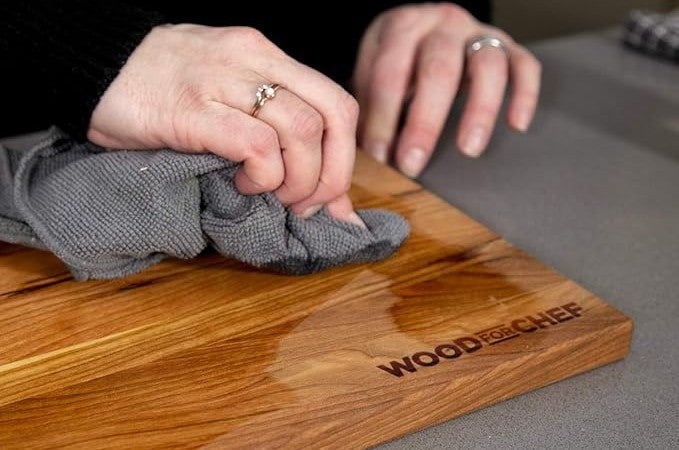
Your wooden cutting board is more than just a kitchen tool—it’s a reliable partner that helps you prepare meals every day. But are you giving it the care it truly needs?
Without the right attention, your cutting board can crack, warp, or even harbor harmful bacteria. Imagine slicing your favorite veggies on a board that’s smooth, clean, and built to last for years. You’ll discover simple, effective ways to keep your wooden cutting board in top shape.
By following these easy steps, you’ll protect your investment and make your cooking experience safer and more enjoyable. Ready to learn how to care for your wooden cutting board like a pro? Let’s dive in.

Credit: food52.com
Choosing The Right Wood
Wooden cutting boards need the right wood to last long. The wood type affects how the board works and stays clean.
Picking strong, safe wood helps keep your kitchen tools healthy. Let’s look at the best wood types for cutting boards.
Hardwood Vs Softwood
Hardwood comes from trees like maple and walnut. Softwood comes from trees like pine and cedar. Hardwoods are better for cutting boards.
Hardwood is harder and lasts longer. Softwood can get scratched and damaged fast. Hardwood also stops germs better.
- Hardwood is tough and resists cuts
- Softwood is softer and wears down quick
- Hardwood is safer for food contact
- Softwood can absorb smells and stains
Benefits Of End Grain Boards
End grain boards show the wood fibers standing up. This design is gentle on knives and lasts a long time.
They hide knife marks well and heal faster. End grain boards also stay cleaner because cuts close back up.
- Protect knives from dulling
- Resist deep cuts and cracks
- Hide scratches better
- Last longer than face grain boards

Credit: homewithgraceandjoy.com
Cleaning Techniques
Wooden cutting boards need special care to stay clean and last long. Proper cleaning keeps them safe for food use.
Learn how to clean your wooden board daily, avoid water damage, and sanitize it safely.
Daily Cleaning Tips
Clean your wooden cutting board right after use. This stops bacteria and stains from building up.
- Use warm water and mild dish soap.
- Scrub the surface with a soft sponge or brush.
- Rinse well with clean water.
- Dry the board immediately with a clean towel.
Avoiding Water Damage
Too much water can crack or warp wooden boards. Keep your board dry to make it last longer.
| Do | Don’t |
|---|---|
| Wipe dry after washing | Soak in water |
| Store standing up to air dry | Leave in dishwasher |
| Use a towel to remove moisture | Expose to direct heat or sun |
Sanitizing Safely
Sanitize your board without harming the wood. Use natural methods to kill germs.
- Sprinkle coarse salt on the board.
- Rub with half a lemon to clean and deodorize.
- Let it sit for five minutes.
- Rinse with warm water and dry well.
Seasoning And Oiling
Wooden cutting boards need care to last long and stay safe. Seasoning and oiling keep the wood strong and water-resistant.
Oiling fills the wood pores and stops cracks and stains. Seasoning prepares the board to absorb oil well.
Best Oils To Use
Choose oils that do not go rancid and are safe for food contact. Some oils protect wood better than others.
- Mineral oil is common and safe for cutting boards.
- Walnut oil works well but may cause allergies.
- Fractionated coconut oil stays liquid and does not spoil.
- Beeswax mixed with oil adds extra protection.
How Often To Oil
Oil your cutting board regularly to keep it healthy. Dry boards soak oil better than wet ones.
Oil the board once a month if you use it often. For less use, oil every three months or when the wood looks dry.
Step-by-step Oiling Process
Start with a clean board. Wash with warm water and mild soap, then dry fully.
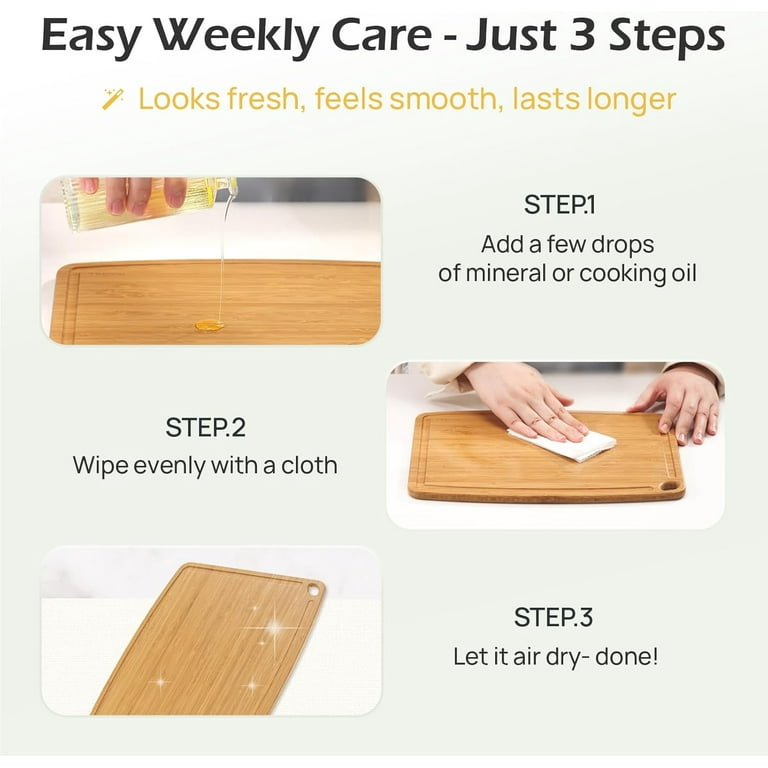
- Apply a small amount of oil to the board surface.
- Use a clean cloth to spread oil evenly over all sides.
- Let the oil soak in for at least 2 hours or overnight.
- Wipe off extra oil with a dry cloth.
- Let the board air dry before use or storage.
Credit: www.walmart.com
Preventing Cracks And Warping
Wooden cutting boards can crack and warp if not cared for properly. Proper care helps your board last longer and stay safe to use.
Two key ways to protect your wooden board are proper storage and avoiding extreme temperatures.
Proper Storage Methods
Store your wooden cutting board in a dry, cool place. Avoid putting it near sinks or dishwashers where moisture is high.
- Keep the board upright to allow air flow on all sides
- Use a rack or stand to prevent moisture build-up under the board
- Do not stack heavy items on top of the board
- Wipe dry immediately after washing
Avoiding Extreme Temperatures
Heat and cold can cause wood to expand or shrink, leading to cracks and warping. Protect your board by avoiding these extremes.
| Temperature | Effect on Wood | How to Avoid |
| High Heat | Causes wood to dry and crack | Do not put in dishwasher or near stove |
| Freezing Cold | Makes wood shrink and split | Do not store in freezer or cold garage |
| Rapid Changes | Leads to warping and damage | Allow board to dry at room temperature |
Removing Stains And Odors
Wooden cutting boards can absorb stains and smells from food. Cleaning them well keeps them safe and fresh.
Using natural methods helps remove stains and odors without harming the wood.
Natural Cleaning Solutions
Lemon, baking soda, and vinegar work well to clean wooden cutting boards. They are safe and easy to find.
- Rub half a lemon on the board to lift stains and freshen odors.
- Sprinkle baking soda, then scrub with a damp cloth to remove tough spots.
- Wipe the board with a cloth soaked in white vinegar to kill bacteria and reduce smells.
Deep Cleaning Techniques
For strong stains and odors, deep cleaning is needed. This keeps the board safe and extends its life.
| Technique | Description | Frequency |
| Salt and Lemon Scrub | Sprinkle salt, rub with lemon to scrub and deodorize. | Once a week |
| Baking Soda Paste | Mix baking soda with water, spread, let sit, then rinse. | Every 2 weeks |
| Vinegar Spray | Spray vinegar, let dry to disinfect and remove odors. | After heavy use |
| Oil Treatment | Apply food-safe oil to seal and protect after cleaning. | Monthly |
Sanding And Refinishing
Sanding and refinishing wooden cutting boards keep them smooth and safe. This care extends the board’s life and keeps it looking good.
Proper sanding removes scratches and stains. Refinishing adds protection and restores the wood’s natural beauty.
When To Sand
Sanding is needed when the board feels rough or has deep cuts. It also helps if there are stains or odors that washing cannot remove.
- The surface has many knife marks or grooves.
- Food sticks to the board more than usual.
- The board looks dull or worn.
- There are stains that do not wash away.
- Odors linger even after cleaning.
Tools And Techniques
Use the right tools to sand carefully without damaging the board. Start with coarse sandpaper and finish with fine grit for smoothness.
| Tool | Use | Notes |
| Coarse Sandpaper (80-100 grit) | Remove deep scratches | Sand evenly across the board |
| Medium Sandpaper (150-180 grit) | Smooth surface after coarse sanding | Use circular motions |
| Fine Sandpaper (220-320 grit) | Finish and polish surface | Creates a smooth touch |
| Mineral Oil | Refinish and protect wood | Apply after sanding is complete |
| Cloth | Apply oil | Use clean, soft cloth |
Restoring Smooth Surfaces
After sanding, clean the board well to remove dust. Then apply mineral oil to protect and nourish the wood.
- Wipe off all sanding dust with a damp cloth.
- Let the board dry completely before oiling.
- Apply a thin layer of mineral oil evenly.
- Allow the oil to soak in for several hours or overnight.
- Wipe off any extra oil with a clean cloth.
- Repeat oiling every few weeks to keep the board protected.
Avoiding Common Mistakes
Wooden cutting boards need careful care to last long. Many people make mistakes that can damage the board.
This guide shows what not to do and tips to keep your wooden board in good shape.
What Not To Do
Do not soak your wooden board in water. Water can make the wood swell and crack.
Avoid putting the board in the dishwasher. The heat and water damage the wood surface.
- Do not use harsh chemicals to clean the board.
- Avoid cutting with very sharp knives that can gouge the wood deeply.
- Never leave food scraps on the board for a long time.
- Do not store the board flat if it is still wet; it may warp.
Tips For Prolonging Board Life
Oil your wooden board regularly to keep it from drying out. Use food-safe mineral oil or beeswax.
Clean the board with warm soapy water after use. Dry it well with a towel and stand it upright to air dry.
- Apply oil once a month or when the board looks dry.
- Use a soft sponge or cloth for cleaning.
- Remove odors by rubbing the board with lemon or baking soda.
- Sand the surface lightly if it becomes rough or stained.
Frequently Asked Questions
How Often Should I Oil My Wooden Cutting Board?
Oil your wooden cutting board once a month. This helps maintain its moisture and prevent cracking. Use food-grade mineral oil or beeswax. Apply oil evenly and let it absorb overnight. Regular oiling extends the board’s lifespan and keeps it looking fresh.
Can I Use Soap On A Wooden Cutting Board?
Yes, you can use mild soap on a wooden cutting board. Wash it with warm, soapy water after each use. Rinse thoroughly and dry immediately with a clean towel. Avoid soaking the board to prevent warping or cracking. This cleaning method ensures hygiene and longevity.
How Do I Remove Stains From A Cutting Board?
Use lemon and salt to remove stains from your cutting board. Sprinkle salt on the board and rub with a halved lemon. The acidity helps lift stains and odors. Rinse with warm water and dry immediately. Regular cleaning keeps your board looking pristine.
Is It Safe To Cut Meat On A Wooden Board?
Yes, it’s safe to cut meat on a wooden board. Ensure it’s properly sanitized after each use. Use hot, soapy water, and rinse thoroughly. Dry immediately to avoid bacteria buildup. Separate boards for meat and vegetables to prevent cross-contamination. Proper care ensures safety and hygiene.
Conclusion
Taking care of your wooden cutting board keeps it strong and safe. Clean it well after each use. Dry it completely to avoid cracks or warping. Oil it regularly to keep the wood healthy. Avoid soaking or putting it in the dishwasher.
With simple care, your board will last many years. A well-kept cutting board looks good and works great. Small steps make a big difference in its life. Enjoy cooking with your trusted wooden board every day.