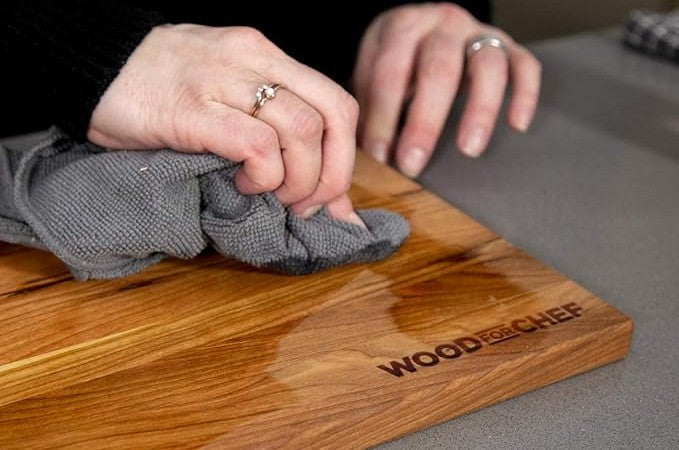
Your wooden cutting board is more than just a kitchen tool—it’s a trusted companion that helps you prepare meals every day. But do you know the best way to care for it?
Without proper care, your board can crack, warp, or even harbor bacteria. Imagine slicing your favorite ingredients on a smooth, well-maintained board that lasts for years. You’ll discover simple, effective tips to keep your wooden cutting board clean, safe, and looking great.
Stick with me, and you’ll never worry about ruining your favorite kitchen staple again.

Credit: food52.com
Choosing The Right Wooden Board
Wooden cutting boards are a popular choice for kitchens. They are gentle on knives and look nice. Choosing the right board helps it last longer and stay safe to use.
Two important factors to consider are the type of wood and the size and thickness of the board. These affect how well the board works and how easy it is to care for.
Types Of Wood
Different woods have different qualities. Some woods are hard and resist cuts better. Others are softer and easier to damage. Choose wood that is safe and durable.
- Maple:Hard and dense. Resists cuts and is easy to clean.
- Walnut:Dark and durable. Has natural oils that resist moisture.
- Cherry:Smooth surface and good hardness. Ages well over time.
- Bamboo:Not technically wood but very hard. Eco-friendly and light.
- Teak:Contains natural oils. Resists water and bacteria well.
Size And Thickness Considerations
The board size and thickness affect how you use and store it. A good size fits your kitchen space and cutting needs. Thickness adds strength and prevents warping.
| Size | Best Use | Note |
| Small (8×10 inches) | Chopping small fruits and vegetables | Easy to store and clean |
| Medium (12×18 inches) | General use for most kitchen tasks | Balances space and cutting area |
| Large (18×24 inches or more) | Big cutting tasks and large food items | Needs more storage space |
| Thickness 1 inch | Lightweight and easy to move | May warp over time |
| Thickness 1.5 to 2 inches | Sturdy and durable | Better resistance to warping |

Credit: homewithgraceandjoy.com
Cleaning Techniques
Wooden cutting boards need careful cleaning to stay safe and last long. Dirt and germs can hide in the wood pores. Proper cleaning removes these and keeps the board fresh.
This guide shows easy ways to clean your wooden cutting board every day and deep clean it sometimes. Avoiding mistakes will help your board stay strong and safe.
Daily Cleaning Methods
After every use, wash the board with warm water and mild soap. Use a soft sponge or cloth to scrub the surface gently. Rinse well to remove all soap.
Dry the board right away with a clean towel. Stand it up or place it in a rack to air dry fully. Avoid leaving it wet to stop warping or cracking.
- Use warm water and mild dish soap
- Scrub gently with a soft sponge or cloth
- Rinse thoroughly with clean water
- Dry immediately with a towel
- Air dry standing up or on a rack
Deep Cleaning Tips
Deep clean your wooden board once a month or after cutting raw meat. Sprinkle coarse salt or baking soda over the board. Rub it with half a lemon to clean and freshen.
Rinse the board with warm water and dry it well. You can also use white vinegar to kill bacteria. Apply it with a cloth and wipe off after a few minutes.
- Sprinkle coarse salt or baking soda on the board
- Rub with half a lemon for cleaning and scent
- Rinse with warm water thoroughly
- Use white vinegar on a cloth to disinfect
- Dry completely after cleaning
Avoiding Common Mistakes
Do not soak wooden boards in water. Soaking causes the wood to swell and crack. Avoid harsh chemicals or bleach that can damage the wood.
Do not put wooden boards in the dishwasher. The heat and water can warp or split the wood. Avoid using rough scrubbers that can scratch the surface.
- Never soak your wooden cutting board in water
- Do not use bleach or harsh chemicals
- Avoid putting the board in the dishwasher
- Do not use steel wool or rough scrubbers
- Keep the board dry to prevent cracking
Drying And Storage
Wooden cutting boards need special care after washing. Proper drying and storage keep them safe and long-lasting.
Moisture left on wood can cause cracks or mold. Correct drying and storage prevent damage and keep boards clean.
Proper Drying Practices
Dry your wooden board well after washing. Avoid leaving it wet or soaking it in water.
- Use a clean towel to wipe off excess water.
- Stand the board upright or on its side to air dry fully.
- Keep it in a well-ventilated area to speed drying.
- Do not put wooden boards in the dishwasher.
Ideal Storage Conditions
Store your wooden board where air flows freely. Avoid places that are too damp or too hot.
| Storage Location | Recommended | Not Recommended |
|---|---|---|
| Kitchen Counter | Yes, if upright and dry | Laid flat and wet |
| Cabinet | Only if dry and ventilated | Closed, humid cabinets |
| Near Stove or Oven | No | Heat can dry out wood too fast |
| Hanging Rack | Yes, hanging by a hook | No contact with damp surfaces |
Oiling And Conditioning
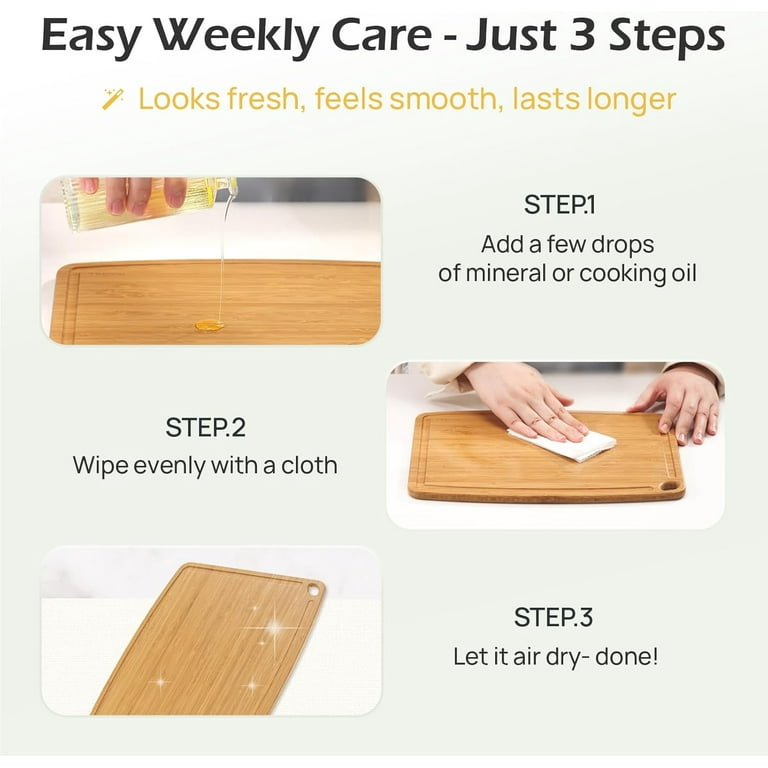
Wooden cutting boards last longer when you oil and condition them. This care keeps wood from drying out and cracking. It also protects the board from stains and smells.
Regular oiling keeps your cutting board smooth and safe for food. Conditioning adds extra protection by sealing the wood. Both steps are simple and important.
Choosing The Right Oil
Pick oils that are safe for food and soak into wood well. Avoid oils that can go rancid or leave sticky spots.
- Mineral oil is popular because it is odorless and does not spoil.
- Coconut oil is natural but can harden in cold weather.
- Beeswax blends offer extra sealing and shine.
- Food-grade walnut oil is good but may cause allergies.
Frequency Of Application
How often you oil depends on use and climate. Dry places need more frequent care.
| Use Level | Oiling Frequency |
| Heavy use (daily) | Once a week |
| Medium use (few times a week) | Every two weeks |
| Light use (once a week or less) | Once a month |
| Dry or cold climate | Increase frequency by 50% |
Step-by-step Conditioning Process
- Clean the cutting board with warm soapy water and dry it well.
- Apply a generous amount of your chosen oil to the surface.
- Use a clean cloth to rub the oil into the wood in circular motions.
- Let the oil soak in for at least two hours or overnight for best results.
- Wipe off any excess oil with a dry cloth.
- For extra conditioning, apply a thin layer of beeswax and buff it until smooth.
Repairing And Maintaining
Wooden cutting boards need regular care to last long. Repairing and maintaining them keeps them safe and useful.
This guide covers removing stains and odors, sanding the surface, and fixing cracks or warping.
Removing Stains And Odors
Stains and odors can build up on wooden boards from food. Cleaning them helps keep the board fresh and clean.
- Sprinkle coarse salt or baking soda on the board.
- Rub the surface with a half lemon to lift stains and smells.
- Let it sit for five minutes before rinsing with warm water.
- Dry the board completely with a clean towel.
Sanding And Smoothing Surface
Sanding removes scratches and rough spots on the board. It restores a smooth cutting surface.
| Sandpaper Grit | Purpose |
| 80-100 | Remove deep scratches and rough areas |
| 150-180 | Smooth the surface after rough sanding |
| 220 | Final finish for a polished surface |
Always sand with the wood grain. Clean the dust off and apply mineral oil after sanding.
Dealing With Cracks And Warping
Cracks and warping can ruin a cutting board. Fixing small cracks prevents them from growing.
- Clean the crack with a soft brush.
- Fill the crack with food-safe wood glue or beeswax.
- Clamp the board to keep pressure while drying, if possible.
- Sand the area smooth after the glue or wax dries.
To avoid warping, do not soak the board in water. Always dry it standing up or on its side.
Credit: www.walmart.com
Avoiding Damage
Wooden cutting boards need special care to stay strong and safe. Avoiding damage helps your board last longer.
Using the right foods, tools, and temperature keeps your cutting board in good shape.
Foods To Avoid
Some foods can harm your wooden cutting board. Acidic foods and very wet items may cause stains and cracks.
- Avoid cutting raw meat directly without cleaning after each use
- Stay away from very acidic foods like lemons and vinegar for long periods
- Do not leave wet fruits or vegetables on the board for hours
- Avoid cutting very hard foods that can cause dents or scratches
Tools And Utensils Tips
Using the right tools helps protect your wooden board. Sharp knives reduce damage by cutting cleanly.
| Tool | Tip |
| Knives | Keep them sharp to avoid tearing wood fibers |
| Scrapers | Use plastic or silicone scrapers, not metal |
| Utensils | Choose wooden or plastic utensils to prevent scratches |
Temperature And Moisture Control
Wood reacts to heat and water. Too much moisture or heat can crack or warp your board.
- Do not soak wooden boards in water
- Dry boards quickly after washing
- Avoid placing boards near stoves or heaters
- Keep boards in a dry place with good air flow
Frequently Asked Questions
How Often Should I Oil My Wooden Cutting Board?
Oiling your wooden cutting board every 3-4 weeks is ideal. Regular oiling helps maintain the board’s moisture. It prevents cracking and warping. Use food-grade mineral oil for best results. Ensure the board is clean and dry before oiling.
Can I Put Wooden Cutting Boards In The Dishwasher?
No, avoid putting wooden cutting boards in the dishwasher. The heat and water can cause warping. It may also lead to cracks. Hand wash with mild soap and warm water. Dry it immediately with a towel to maintain its longevity.
What Oils Are Best For Wooden Cutting Boards?
Use food-grade mineral oil or beeswax for your cutting board. These oils are non-toxic and safe. They help in maintaining the board’s moisture. Avoid using vegetable or olive oil. They can go rancid and leave unpleasant odors.
How Do I Remove Stains From Wooden Cutting Boards?
Use a mixture of lemon juice and salt to remove stains. Sprinkle salt on the board and scrub with lemon. Rinse with warm water afterward. This method is natural and effective. It helps keep your board fresh and clean.
Conclusion
Caring for wooden cutting boards keeps them strong and safe. Clean them well after each use to avoid germs. Dry boards completely to stop cracks and warping. Oil boards regularly to keep wood fresh and smooth. Avoid soaking or putting boards in the dishwasher.
Small steps make a big difference in board life. A well-kept cutting board lasts many years. Trust simple care habits to protect your kitchen tool. Your board will serve you well with little effort.