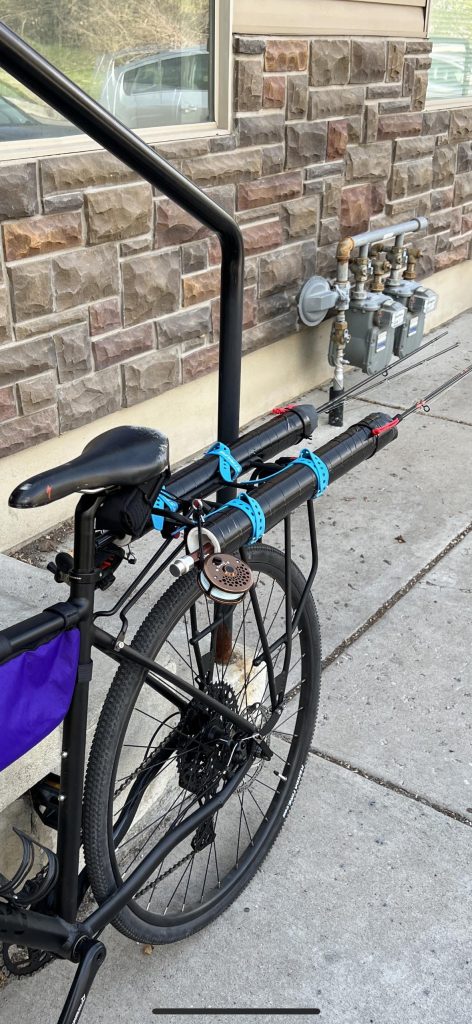
If you love biking and fishing, you know how tricky it can be to carry your fishing rod safely on your bike. You want to protect your gear, avoid accidents, and keep your ride comfortable.
But how do you do that without bulky bags or expensive racks? You’ll discover simple, smart ways to carry your fishing rod on your bike. These tips will save you time, protect your equipment, and make your trips more enjoyable.
Keep reading to find the perfect solution for your next adventure!
Choosing The Right Rod Carrier
Carrying a fishing rod on your bike needs the right rod carrier. It keeps your rod safe and secure. Choosing the right one helps you enjoy your ride and fishing trip.
There are many types of rod carriers. Each type fits different needs and bike styles. Think about your bike, fishing gear, and how you want to carry your rod.
Types Of Rod Holders For Bikes
Rod holders come in various styles. Pick one that fits your bike and fishing style. Some common types include frame-mounted, handlebar-mounted, and backpack style holders.
- Frame-mounted holders:Attach to your bike frame. Keep the rod close and stable.
- Handlebar-mounted holders:Fix on the handlebars. Easy to reach and adjust.
- Backpack holders:Wear on your back. Good for off-road and long rides.
- Seat post holders:Mount near the seat. Use space efficiently.
Materials And Durability
Rod carriers use different materials. Choose one that lasts and protects your rod. Common materials include plastic, metal, and foam padding for extra care.
| Material | Pros | Cons |
| Plastic | Lightweight, affordable | Less durable, can crack |
| Metal | Strong, long-lasting | Heavier, can rust if not treated |
| Foam Padding | Protects rod, absorbs shock | Can wear out over time |
Mounting Options
Mounting styles affect how you carry the rod. They also change balance and comfort. Choose a mounting option that fits your bike and riding style.
- Clamp mounts:Attach using clamps. Easy to remove and adjust.
- Strap mounts:Use straps or Velcro. Flexible and quick to install.
- Bolted mounts:Fixed with bolts. Very secure but less flexible.

Credit: www.amazon.sg
Preparing Your Fishing Rod
Carrying a fishing rod on a bike needs careful preparation. You must ensure the rod is secure and protected during transport.
Follow these steps to prepare your fishing rod for a safe and easy bike ride.
Reeling And Securing The Line
Reel in the line until it is tight. This prevents tangling while you ride.
Use a rubber band to secure the line to the rod. This keeps it in place.
Protecting The Rod Tip
The rod tip is delicate and can break easily. You must protect it properly.
- Use a small cap or cover for the rod tip.
- Wrap the tip with soft cloth or padding.
Using Rod Sleeves Or Tubes
Rod sleeves or tubes offer good protection during transport. They prevent scratches and damage.
| Protection Type | Benefits |
| Rod Sleeve | Lightweight and easy to use |
| Rod Tube | Sturdy and provides maximum protection |
Attaching The Rod To Your Bike
Carrying a fishing rod on your bike needs careful attachment. This keeps the rod safe and your ride smooth.
Properly securing the rod prevents damage and helps keep balance. Let’s look at how to attach it well.
Positioning For Balance And Safety
Place the fishing rod where it won’t affect your bike’s balance. The best spots are along the frame or behind the seat.
- Keep the rod parallel to the bike frame.
- Choose a side that does not block your legs.
- Make sure the rod tip points backward to avoid hitting obstacles.
- Avoid placing it too high to lower wind resistance.
Securing Straps And Fasteners
Use strong straps or fasteners to hold the rod tightly. Check them often during your ride.
| Type of Fastener | Best Use | Notes |
| Velcro Straps | Quick attachment | Easy to adjust |
| Bungee Cords | Flexible hold | Good for uneven shapes |
| Zip Ties | Permanent secure | Not reusable |
| Rod Holders | Specialized support | Stable but bulky |
Avoiding Interference With Bike Components
Make sure the rod does not touch the brakes, gears, or wheels. Interference can cause accidents or damage.
- Keep the rod away from moving parts.
- Check clearance between the rod and tires.
- Test brakes after attaching the rod.
- Adjust straps to prevent rubbing on cables.
Credit: switchfisher.com
Additional Safety Measures
Carrying a fishing rod on a bike needs extra care for your safety and others on the road. Use smart ways to stay visible and secure your gear well.
Keep checking your setup while riding. Adjust your method to handle rough paths safely.
Reflective Gear And Visibility
Use reflective items on your bike and fishing rod. They help drivers see you better, especially in low light.
- Attach reflective tape to the rod and bike frame.
- Wear bright or reflective clothing.
- Use bike lights at night or in fog.
- Place reflectors on your bike’s sides and back.
Checking For Stability During The Ride
Stop often to check if your fishing rod is still secure. A loose rod can cause accidents or fall off.
| Check Item | What to Look For |
| Rod Holder | Make sure it holds the rod tightly without movement. |
| Straps and Ties | Ensure they are tight and not worn out. |
| Bike Balance | Feel if the load affects your bike’s balance or steering. |
| Rod Position | Check that the rod is not sticking out dangerously. |
Handling Rough Terrain
Ride slower on bumpy or uneven roads. The rod and bike can get shaken a lot on rough terrain.
Tips for rough terrain:
- Use a padded rod holder to reduce shocks.
- Keep your hands firm on the handlebars.
- Choose a path with fewer rocks and holes.
- Ride carefully over obstacles to avoid sudden jerks.
Alternative Transport Methods
Carrying a fishing rod on a bike needs careful planning. Different methods suit various types of rides and gear. Finding the right way helps keep rods safe and easy to carry.
This guide covers three useful ways to transport fishing rods on a bike. Each option has pros and cons to consider before heading out.
Using A Backpack Rod Holder
A backpack rod holder lets you carry your fishing rod on your back. These holders attach securely and keep rods steady while riding.
- Easy to wear and remove
- Keeps hands free for bike control
- Protects rods from scratches
- Can carry extra small gear
Trailer And Bike Rack Options
Trailers and bike racks offer strong support for carrying fishing rods. They attach to your bike and can hold rods without bending.
| Type | Capacity | Best For |
| Bike Trailer | 2-4 rods | Long trips, extra gear |
| Rear Bike Rack | 1-2 rods | Short rides, light loads |
| Side-Mounted Rack | 1-3 rods | Easy access, balanced load |
Carrying Multiple Rods
Taking many rods needs careful packing. Use holders or racks designed for several rods. Secure each rod to avoid damage.
- Bundle rods with Velcro straps
- Use rod tubes or sleeves
- Place rods evenly on racks
- Check rod tips for clearance

Credit: www.amazon.com
Frequently Asked Questions
How Can I Safely Attach A Fishing Rod To My Bike?
Use a rod holder or secure straps to fasten the rod. Position it alongside the bike frame to avoid interference. Ensure it is tight to prevent movement during rides. This keeps the rod stable and protects both the rod and rider.
What Is The Best Rod Holder For Bike Fishing?
Look for lightweight, adjustable bike rod holders made from durable materials. These holders should fit your bike frame and securely grip the fishing rod. Popular options include clamp-style holders and backpack-mounted rod carriers. Choose one that suits your bike and fishing needs.
Can I Carry A Fishing Rod On A Bike Without A Holder?
Yes, you can use bungee cords or strong straps to tie the rod to the bike frame. Wrap the rod carefully to prevent scratches or damage. However, using a dedicated holder is safer and more convenient for longer rides.
How To Prevent Fishing Rod Damage While Biking?
Protect the rod tip with a cover or cap. Secure the rod firmly to avoid excessive movement. Avoid placing heavy items on the rod. Riding cautiously on rough terrain also reduces the risk of damage.
Conclusion
Carrying a fishing rod on a bike can be simple and safe. Choose the right holder or strap to keep the rod steady. Make sure the rod does not block your view or balance. Check your gear before every ride.
This helps avoid damage and accidents. Enjoy your bike ride and fishing without worries. Practice these tips for a smooth trip every time. Stay safe and have fun outdoors.