Are you planning to take your fishing adventure on two wheels but unsure how to carry your fishing rod safely and comfortably? You’re not alone.
Carrying a fishing rod on a bike can be tricky, but with the right tips and tricks, it can become effortless. Imagine arriving at your favorite fishing spot without any hassle, your gear secure and ready to go. Keep reading, and you’ll discover simple, practical ways to transport your fishing rod on your bike without damage or frustration.
Your next fishing trip just got a whole lot easier!
Credit: switchfisher.com
Choosing The Right Rod
Carrying a fishing rod on a bike needs careful rod choice. The right rod makes the ride easier and safer.
Think about size, weight, and material before you start your trip. These factors help you carry the rod comfortably.
Selecting A Compact Rod
Choose a rod that is short or can be broken down into smaller parts. Compact rods fit better on bikes.
Short rods reduce the chance of hitting objects or losing balance. They also fit in bike bags or holders.
- Look for telescopic or multi-piece rods
- Check if the rod fits your bike’s storage space
- Make sure it is easy to assemble and disassemble
Considering Rod Material And Weight
Light rods are better for biking. Heavy rods make carrying hard and can cause fatigue.
Common materials include graphite and fiberglass. Graphite rods are light and strong. Fiberglass rods are heavier but more flexible.
- Choose graphite for a light and easy carry
- Pick fiberglass if you want more durability
- Balance between weight and strength for your comfort
Preparing The Rod For Transport
Transporting a fishing rod on a bike can be tricky. Proper preparation is crucial to ensure safety and prevent damage.
Follow these steps to get your fishing rod ready for a biking adventure. Let’s start by disassembling the rod and securing the line and hooks.
Disassembling The Rod
Disassembling the rod makes it easier to carry. You need to carefully take it apart to avoid breaking it.
- Loosen the reel and remove it from the rod.
- Separate the rod into its individual sections.
- Store each section in a protective sleeve.
Securing The Line And Hooks
Securing the line and hooks is important to prevent tangling and injury. This step ensures everything stays in place during transport.
Use a hook keeper or cap to cover sharp hooks. Wrap the line around the rod sections and fasten with a rubber band.
Safe Attachment Methods
Carrying a fishing rod on a bike needs care to keep it safe. You want to attach it without hurting the rod or yourself.
Using the right methods helps protect your gear and keeps your ride balanced. Let’s look at some safe ways to carry your rod.
Using Rod Holders And Mounts
Rod holders and mounts are made to hold fishing rods on bikes. They keep the rod steady and stop it from moving.
Many holders attach to the bike frame or the rear rack. They use straps or clamps to hold the rod firmly.
- Choose a holder that fits your rod size
- Check that the holder does not block your pedals or wheels
- Secure the rod with straps to avoid shaking
- Place the rod so it does not stick out too far
Diy Rod Carrying Solutions
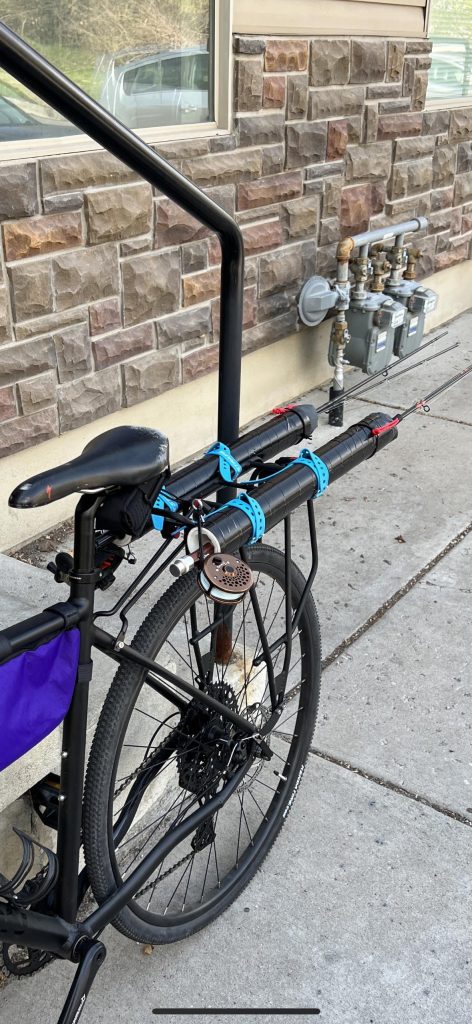
You can make your own rod carrier with simple tools and materials. This can save money and fit your bike perfectly.
Common DIY ideas include using PVC pipes, bungee cords, and foam padding. These protect the rod and hold it firmly.
- Use PVC pipe cut to your rod’s length for a protective tube
- Attach the pipe horizontally to the bike frame with straps
- Add foam or cloth inside the pipe to stop scratches
- Use bungee cords to keep the rod tight and stable
- Make sure nothing blocks your bike’s moving parts

Credit: www.amazon.sg
Balancing Weight On The Bike
Carrying a fishing rod on your bike needs careful weight balance. Proper balance helps keep control and safety while riding.
Placing the rod in the right spot reduces swaying and makes your ride smoother. Let’s see how to position it for stability and avoid problems with controls.
Positioning The Rod For Stability
Keep the rod close to the bike frame to lower wind resistance. Attach it firmly using straps or holders. The rod should not stick out too far to avoid imbalance.
- Place the rod along the side or under the top tube
- Use padded clamps to protect the rod and bike
- Make sure the rod is tight and does not move
- Balance weight evenly on both sides if carrying more gear
- Check the rod position before each ride
Avoiding Interference With Bike Controls
Keep the rod away from brakes, gear shifters, and handlebars. Interference can cause accidents or damage to your bike and gear.
| Bike Control | Recommended Rod Position |
| Brakes | At least 6 inches away from brake cables |
| Gear Shifters | Clear of shifter levers to avoid blockage |
| Handlebars | Below or behind handlebars for easy steering |
| Pedals | High enough to prevent pedal strikes |
Protecting The Rod During The Ride
Carrying a fishing rod on a bike needs care. Protecting it stops damage during travel.
Use the right methods to keep the rod safe. This helps the rod last longer and work well.
Using Protective Covers
Protective covers shield your rod from scratches and dirt. They also add a layer against bumps.
- Choose covers made of padded material for extra protection.
- Make sure the cover fits the rod snugly to avoid movement.
- Use rod tubes for long rides to prevent bending or breaking.
- Check the cover for holes or tears before each trip.
- Clean the cover regularly to keep it in good condition.
Avoiding Damage From Road Vibrations
Road vibrations can harm your rod’s guides and tip. Reducing this keeps your rod strong.
| Method | Benefit |
| Secure the rod tightly to the bike frame | Stops shaking and bouncing |
| Place foam padding between rod and bike | Absorbs vibrations |
| Use a suspension seat post | Reduces overall bike vibrations |
| Ride on smooth paths | Lowers impact on the rod |
| Check mounts before each ride | Ensures rod stays stable |
Legal And Safety Considerations
Carrying a fishing rod on a bike requires attention to laws and safety. Following rules keeps you and others safe.
Check local regulations before you ride. Always wear safety gear to protect yourself.
Checking Local Regulations
Different places have rules about carrying fishing rods on bikes. Some areas ban rods that stick out. Others limit where you can ride with fishing gear.
- Look for local laws about bike equipment
- Check if rods must be secured or covered
- Find out if fishing is allowed in bike areas
- Ask local authorities or fishing groups
Wearing Safety Gear
Safety gear protects you when biking with a fishing rod. It helps reduce injury risk in falls or crashes.
| Gear | Purpose |
| Helmet | Protects head from injury |
| Reflective Clothing | Makes you visible to drivers |
| Gloves | Improves grip and protects hands |
| Bike Lights | Increases visibility in low light |
Tips For Long-distance Travel
Carrying a fishing rod on a bike requires careful planning. Long trips need extra attention to rest and equipment care.
These tips help keep your rod and bike safe during long-distance rides. Plan your stops and check your gear often.
Planning Rest Stops
Rest stops are important to avoid fatigue and protect your fishing rod. Choose safe and comfortable places to pause.
- Pick stops near water for quick fishing breaks.
- Use rest areas with shade to protect gear from sun damage.
- Check for bike racks or secure spots to lock your bike.
- Plan stops every 20 to 30 miles to stretch and inspect equipment.
- Carry light snacks and water to stay energized.
Maintaining Rod And Bike Condition
Keep both your rod and bike in good shape to avoid problems on the road. Regular checks prevent damage and breakdowns.
| Item | What to Check | How Often |
| Fishing Rod | Guides and reel condition | Before and after each stop |
| Bike Tires | Air pressure and tread wear | Every 10 miles |
| Bike Chain | Lubrication and rust | Daily or after rain |
| Rod Holder | Secure fittings and straps | Before starting and at stops |

Credit: www.amazon.com
Frequently Asked Questions
How Can I Safely Attach A Fishing Rod To My Bike?
Use a sturdy rod holder or secure straps to attach the rod. Position it to avoid interference with pedaling or steering. Ensure the rod is stable and won’t shift during your ride to prevent damage or accidents.
What Is The Best Bike Accessory For Carrying Fishing Rods?
A bike-mounted fishing rod holder is the best accessory. It keeps the rod secure and balanced. Many holders are adjustable and designed specifically for fishing gear, making transportation easy and safe.
Can I Carry Multiple Fishing Rods On A Bike?
Yes, you can carry multiple rods using specialized multi-rod holders. These holders keep rods separated and secure. Proper placement prevents tangling and damage while riding.
How Do I Protect My Fishing Rod During Bike Rides?
Use rod covers or sleeves to protect the rod from scratches. Secure the rod firmly to avoid movement. Choose padded holders to cushion the rod from bumps and vibrations.
Conclusion
Carrying a fishing rod on a bike can be simple and safe. Choose the right holder or strap to keep the rod steady. Balance your bike to avoid wobbling during rides. Check your gear before heading out to the water.
This way, you enjoy fishing without stress or damage. Keep practicing these tips for smooth and fun trips. Ready for your next fishing adventure?