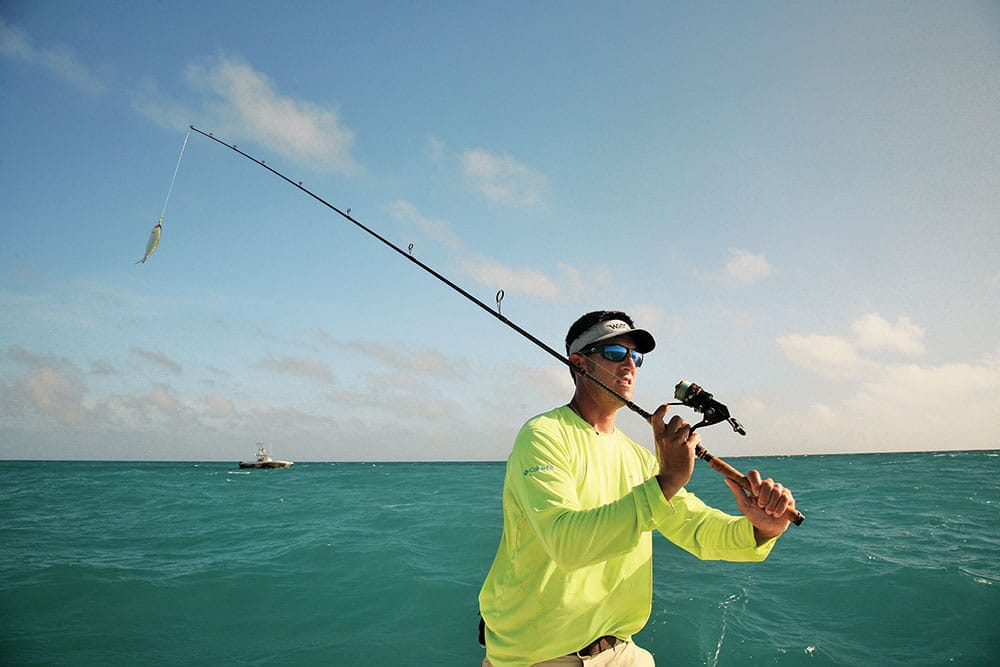
Are you ready to improve your fishing skills and catch more fish? Learning how to cast a fishing line correctly is the key to making every cast count.
Whether you’re a beginner or looking to sharpen your technique, this guide will walk you through simple steps to cast with confidence and accuracy. By the end, you’ll feel more in control and ready to enjoy your time on the water like never before.
Keep reading, and let’s get your fishing line flying!
Choosing The Right Gear
Fishing is more fun when you use the right gear. Picking good equipment helps you cast your line better.
This guide covers the basics of choosing rods, reels, lines, and accessories for casting.
Selecting The Best Rod And Reel
Choose a rod that feels comfortable in your hand. The length and power affect your casting distance.
The reel should match the rod. Spinning reels work well for beginners and many fishing types.
- Light rods are good for small fish and short casts
- Medium rods suit most freshwater fishing
- Heavy rods help with big fish and long casts
- Spinning reels are easy to use and versatile
- Baitcasting reels offer better control for experienced anglers
Picking The Ideal Fishing Line
Pick a fishing line that fits your rod and reel. The line affects how far and smooth you cast.
There are three main types: monofilament, fluorocarbon, and braided lines.
- Monofilament lines are stretchy and easy to handle
- Fluorocarbon lines are less visible in water and strong
- Braided lines are very strong and thin but less stretchy
Essential Accessories For Casting
Some accessories make casting easier and protect your gear. A good setup saves time and effort.
Use tools like line clippers, rod holders, and tackle boxes to stay organized and safe.
- Line clippers help cut lines cleanly
- Rod holders keep your rod steady when not in use
- Tackle boxes store hooks, lures, and other small items
- Fishing gloves protect your hands while casting
Preparing Your Tackle
Preparing your fishing tackle is the first step to a good fishing experience. It ensures your gear works well and helps you catch fish.
Focus on attaching the hook and bait, setting the drag, and checking your line and knots before you start casting.
Attaching The Hook And Bait
Attach the hook firmly to your fishing line. Choose bait that suits the fish you want to catch. Make sure the bait stays on the hook well.
- Thread the bait carefully onto the hook
- Use live bait or artificial lures based on your target fish
- Check that the hook point is exposed for better hooking
- Secure the hook with a knot that won’t slip
Setting The Drag Correctly
The drag controls how much resistance a fish feels when pulling your line. Set it so the fish can pull line without breaking it.
| Drag Setting | Effect |
| Tight | Line may break if fish pulls hard |
| Loose | Fish can pull too much line easily |
| Moderate | Good balance; fish tires without snapping line |
Checking Line And Knot Strength
Strong lines and knots prevent losing fish. Test your knots and line before fishing.
Check line and knot strength by:
- Pulling on the line with your hands hard
- Inspecting knots for tightness and neatness
- Replacing damaged or worn line sections
- Retying knots if they slip or look weak
Casting Techniques
Casting a fishing line is an important skill for anglers. There are different techniques to learn and practice.
Each method is useful for different fishing situations. Let’s explore how to perform these casts.
Basic Overhead Cast
The overhead cast is straightforward and great for beginners. It allows you to cast the line far into the water.
- Grip the rod with your dominant hand.
- Pull the rod back over your shoulder.
- Flick the rod forward and release the line.
Sidearm Cast For Accuracy
The sidearm cast is useful when you need precision. It is ideal for casting under obstacles like trees.
Imagine a clock face. Start with the rod at the 3 o’clock position. Swing it to the 9 o’clock position to cast.
Roll Cast For Tight Spaces
The roll cast is perfect for tight spots with little room for a back cast. It uses the water’s surface to load the rod.
| Technique | Best For |
| Basic Overhead | Long-distance casting |
| Sidearm | Accurate casting |
| Roll | Tight spaces |

Credit: www.willyswilderness.org
Improving Your Accuracy
Casting a fishing line with accuracy helps you reach the right spot. It increases the chance of catching fish.
Focus on controlling your aim, line speed, and wind effects. These factors make a big difference in where your bait lands.
Aiming At The Target
Look carefully at your target before you cast. Keep your eyes on the spot where you want the bait to land.
- Stand steady with your feet shoulder-width apart.
- Hold the rod firmly but not too tight.
- Use your dominant hand to control the rod tip.
- Practice smooth, controlled movements.
- Focus on the spot rather than the rod tip.
Controlling Line Speed
Line speed affects how far and where your bait falls. Too fast or too slow can reduce accuracy.
| Line Speed | Effect on Cast |
| Too Fast | Bait may overshoot the target |
| Too Slow | Bait falls short of the target |
| Moderate | Better control and accuracy |
Adjusting For Wind Conditions
Wind can push your line off course. Adjust your aim and casting strength to match the wind.
Try these tips for windy days:
- Cast slightly upwind to let the wind carry the bait to the target.
- Use heavier bait to reduce wind drift.
- Keep your rod low to reduce wind resistance.
Common Mistakes To Avoid
Casting a fishing line looks easy, but many beginners make simple mistakes.
These mistakes can cause frustration and reduce your chances of catching fish.
Overpowering The Cast
Using too much force can make your cast inaccurate and cause the line to tangle.
- Do not swing the rod too hard or too fast.
- Let the rod do the work by bending naturally.
- Focus on smooth, controlled movements.
Incorrect Grip And Stance
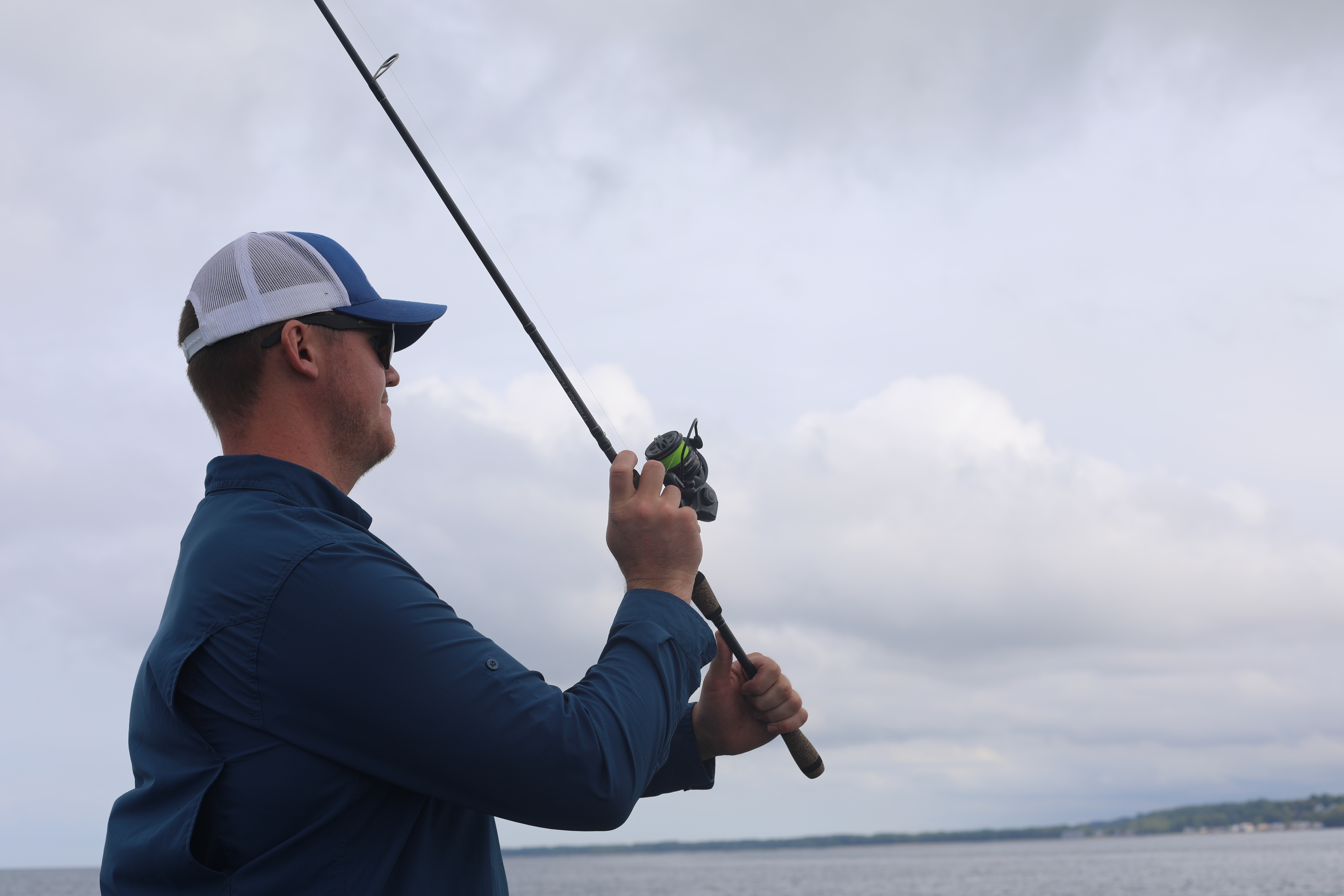
Holding the rod the wrong way or standing poorly affects your casting accuracy.
| Common Grip Mistakes | Correct Grip Tips |
| Holding the rod too tightly | Keep a firm but relaxed grip |
| Gripping near the reel | Hold the rod handle properly below the reel |
| Using only one hand | Use both hands for better control |
| Poor stance with feet close together | Stand with feet shoulder-width apart |
| Leaning too far forward or backward | Keep your body balanced and upright |
Ignoring Safety Precautions
Not paying attention to safety can cause accidents and injuries.
- Check behind you for people or obstacles before casting.
- Wear eye protection to avoid hook injuries.
- Keep your fishing gear organized and away from walkways.
- Do not cast near power lines or heavy traffic areas.
Credit: www.fishusa.com
Practicing For Success
Casting a fishing line well takes practice and patience. Regular practice helps you get better and enjoy fishing more.
Try different exercises to improve your casting skills. Focus on your movements and keep track of your progress.
Drills To Build Muscle Memory
Repeating the same casting motion helps your body remember the steps. This makes your casts smoother and more accurate.
Start with simple drills that focus on your arm and wrist movements. Practice in an open space without water first.
- Cast to a target like a tree or a mark on the ground
- Use slow, controlled motions to feel the rod
- Repeat the cast many times to build muscle memory
- Try different casting distances to improve control
Tracking Your Progress
Keeping track of your practice helps you see what works and what needs improvement. Write down your results after each session.
Note how far and how accurately you can cast. Record any challenges you face and what you try to fix them.
- Measure your casting distance regularly
- Mark how close you hit your target
- Keep a journal of your practice sessions
- Review your notes to set new goals
When To Seek Professional Tips
Sometimes, getting advice from an expert can speed up your progress. A coach can spot mistakes you might miss.
Look for professional tips if you feel stuck or want to learn advanced techniques. They can teach you how to cast safely and efficiently.
- If your casts are often inaccurate
- If you feel pain or discomfort while casting
- If you want to learn new casting styles
- If you need help setting up your fishing gear

Credit: www.reddit.com
Frequently Asked Questions
How Do I Properly Hold A Fishing Rod?
Hold the fishing rod with your dominant hand near the reel. Use your other hand to support the rod’s base. Keep a firm but relaxed grip to control the cast smoothly and avoid fatigue.
What Is The Best Technique To Cast A Fishing Line?
Use a smooth, controlled motion. Pull the rod back, then swiftly bring it forward, releasing the line at the right moment. Practice timing to improve accuracy and distance.
How Far Should I Cast My Fishing Line?
Cast as far as needed to reach fish habitats. Beginners should aim for shorter casts to maintain control. Distance depends on water type, fish species, and tackle used.
When Should I Release The Fishing Line During Casting?
Release the line when the rod tip reaches a 2 o’clock position. This timing maximizes casting distance and accuracy. Practice helps develop the perfect release point.
Conclusion
Casting a fishing line takes practice and patience. Start slow and focus on your technique. Keep your grip firm but relaxed. Watch how the line moves through the air. Each cast helps you improve a little more. Soon, you will feel more confident and catch more fish.
Remember, fishing is about enjoying nature and learning step by step. Keep trying, and have fun by the water. Your fishing skills will grow with time and effort.