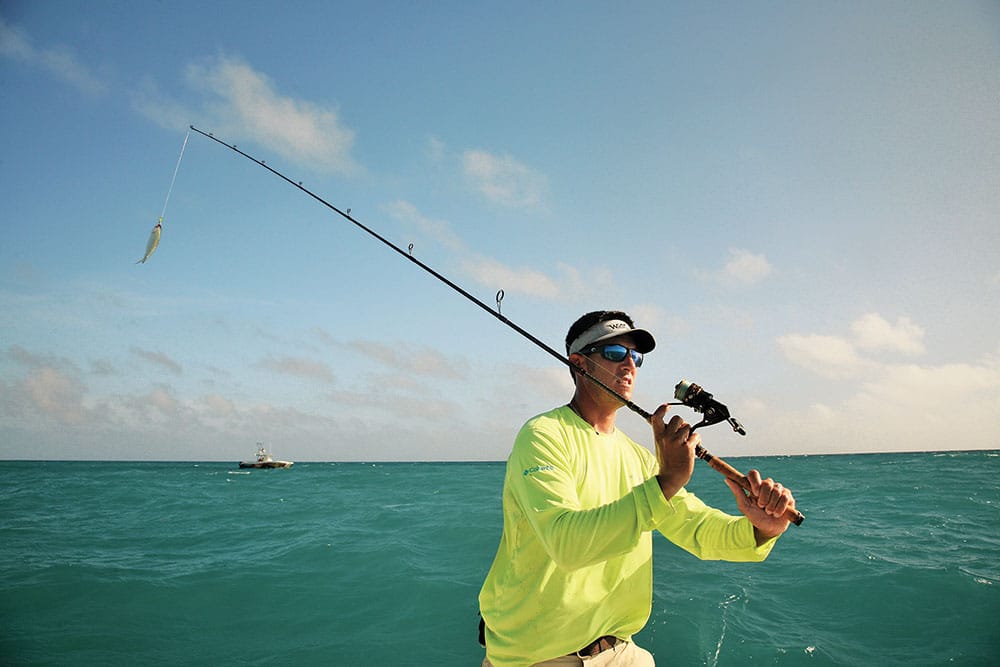
Have you ever stood by the water, rod in hand, unsure how to get your fishing line just right? Casting a fishing line might seem tricky at first, but with the right steps, you can master it quickly.
Imagine the thrill of watching your line land smoothly where the fish are biting. In this guide, you’ll learn simple, clear techniques to cast like a pro. Whether you’re new to fishing or want to improve your skills, this article will help you feel confident every time you cast.
Ready to make your next fishing trip more successful? Let’s dive in and get your line flying perfectly.

Credit: www.willyswilderness.org
Choosing The Right Gear
Choosing the right gear helps you enjoy fishing more. It makes casting easier and improves your catch rate.
Good gear matches the type of fish and water you are fishing in. This guide covers rods, reels, lines, and bait choices.
Selecting The Best Rod And Reel
Pick a rod and reel that fit your fishing style. Light rods work well for small fish. Heavy rods are better for big fish.
- Spinning rods are easy to use for beginners.
- Baitcasting rods offer more control for skilled anglers.
- Match the reel size to the rod length.
- Check that the rod action suits your casting needs.
Picking Suitable Fishing Line
Choose a fishing line based on strength and water type. Thinner lines cast farther but may break easily. Thicker lines hold better but cast shorter.
| Line Type | Best Use | Strength |
| Monofilament | General fishing, easy to handle | 6-12 lbs |
| Fluorocarbon | Clear water, less visible | 8-15 lbs |
| Braid | Heavy cover, long casting | 20-50 lbs |
Choosing The Right Bait And Lures
Pick bait or lures based on the fish species. Live bait often attracts more fish. Lures can mimic prey and trigger strikes.
Common bait types include:
- Worms and insects
- Small fish or minnows
- Crustaceans like shrimp
Popular lures include:
- Spinnerbaits
- Soft plastic worms
- Crankbaits
Preparing Your Equipment
Before you cast your fishing line, you need to prepare your equipment. This helps you fish better and avoid problems.
Check your rod, reel, and line to make sure everything is ready. Proper setup makes your fishing experience easier.
Attaching The Line To The Reel
Start by tying the fishing line to the reel spool. This keeps the line secure while you fish.
Make sure the line is tight and does not slip. Wrap the line around the spool a few times for extra hold.
- Open the reel bail arm
- Tie the line to the spool using an arbor knot
- Close the bail arm and wind the line slowly
- Keep tension on the line while winding
Tying Secure Knots
Use strong knots to connect hooks, lures, or swivels to the line. Weak knots can break easily.
Practice common knots like the improved clinch knot. These knots hold well under pressure.
- Thread the line through the hook eye
- Wrap the tag end around the main line 5-7 times
- Pass the tag end through the loop near the hook eye
- Pull tight and trim excess line
Setting The Drag Properly
The drag controls how much resistance a fish feels when pulling the line. Set it right to avoid line breaks.
Adjust the drag so the fish can pull line without snapping it. It should feel firm but smooth.
- Turn the drag knob clockwise to increase resistance
- Turn it counterclockwise to decrease resistance
- Test by pulling the line by hand
- Set drag to about one-third of your line’s breaking strength
Casting Fundamentals
Casting a fishing line well helps you reach the right spot in the water. Good casting improves your chance to catch fish.
Understanding basic casting steps makes fishing easier and more fun. Focus on your stance, how to hold the rod, and smooth movements.
Stance And Grip Techniques
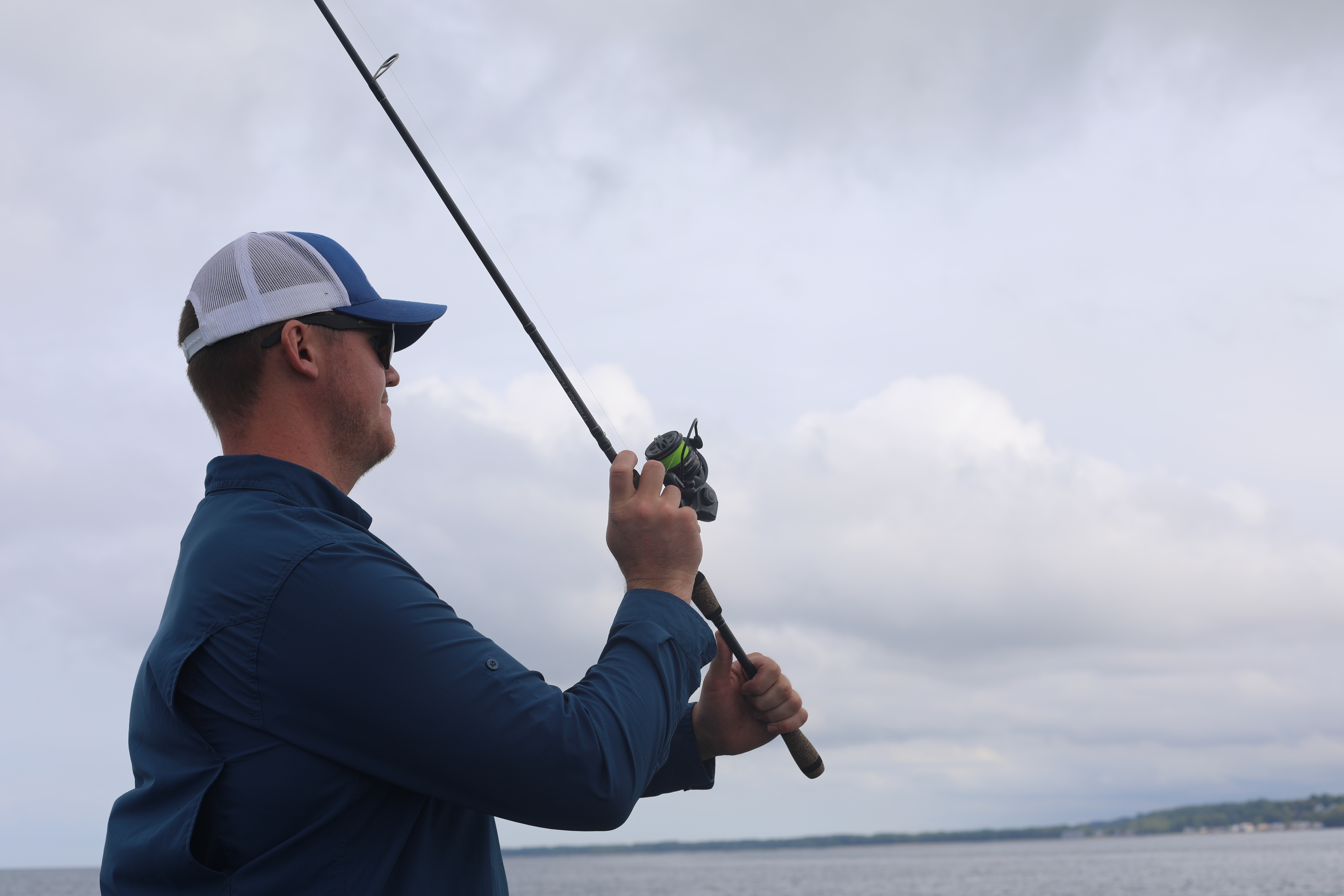
Stand with your feet shoulder-width apart. Keep your body balanced and relaxed. Your weight should be on your back foot before casting.
Hold the rod firmly but not too tight. Use your dominant hand to grip the handle near the reel. Your other hand supports the rod.
- Feet shoulder-width apart for balance
- Weight mostly on back foot before cast
- Firm but relaxed grip on the rod
- Dominant hand near the reel
- Other hand supports the rod
Loading The Rod Correctly
Loading the rod means bending it slightly by moving it back. This stores energy to help the line fly forward. Pull the rod back smoothly.
Do not jerk the rod. Let the rod bend naturally. The right amount of bend depends on your rod’s strength and length.
- Pull rod back slowly to bend it
- Store energy in the rod for casting
- Avoid jerky or fast movements
- Adjust bend based on rod type
Smooth Casting Motion
Start the cast by moving the rod forward in a smooth motion. Release the line at the right time, usually when the rod points at your target.
Follow through by letting the rod tip move forward after the release. This helps the line fly straight and far. Practice slow and steady movements.
- Move rod forward smoothly
- Release line when rod points at target
- Let rod tip follow through after release
- Keep movements slow and steady
Credit: www.fishusa.com
Types Of Casting Techniques
Casting a fishing line means throwing the bait into the water. Different casting techniques help you cast far or in tight places. Each style works best for different fishing situations.
Learning these techniques makes fishing easier and more fun. Here are three common types of casting methods you can try.
Overhead Cast
The overhead cast is the most common way to cast a fishing line. You lift the rod over your head and throw the line forward. This method gives you good distance.
It works well in open spaces with no trees or obstacles. You can control the line better and aim where you want to cast.
Sidearm Cast
The sidearm cast moves the rod sideways instead of over your head. It is good for casting under tree branches or near bushes. This keeps the line low and out of the way.
This technique is easier to use in tight spots. It is also faster for quick casts. Practice to keep your line straight and avoid tangles.
Roll Cast
The roll cast is a smooth way to cast without a big back swing. It works well when space behind you is limited. You roll the line forward using the rod tip.
This technique helps prevent the line from hitting obstacles. It takes practice to get the timing right but is useful in tight fishing spots.
Improving Accuracy And Distance
Casting a fishing line well helps you catch more fish. Good technique improves how far and how accurate your cast is.
Focus on timing, line tension, and wind to make your casts better and reach your target easily.
Timing Your Release
Release the line at the right moment for better distance and accuracy. Watch your rod’s tip closely.
- Start your cast with a smooth back swing.
- Pause briefly to let the line straighten behind you.
- Move the rod forward steadily.
- Release the line as the rod reaches eye level.
Controlling Line Tension
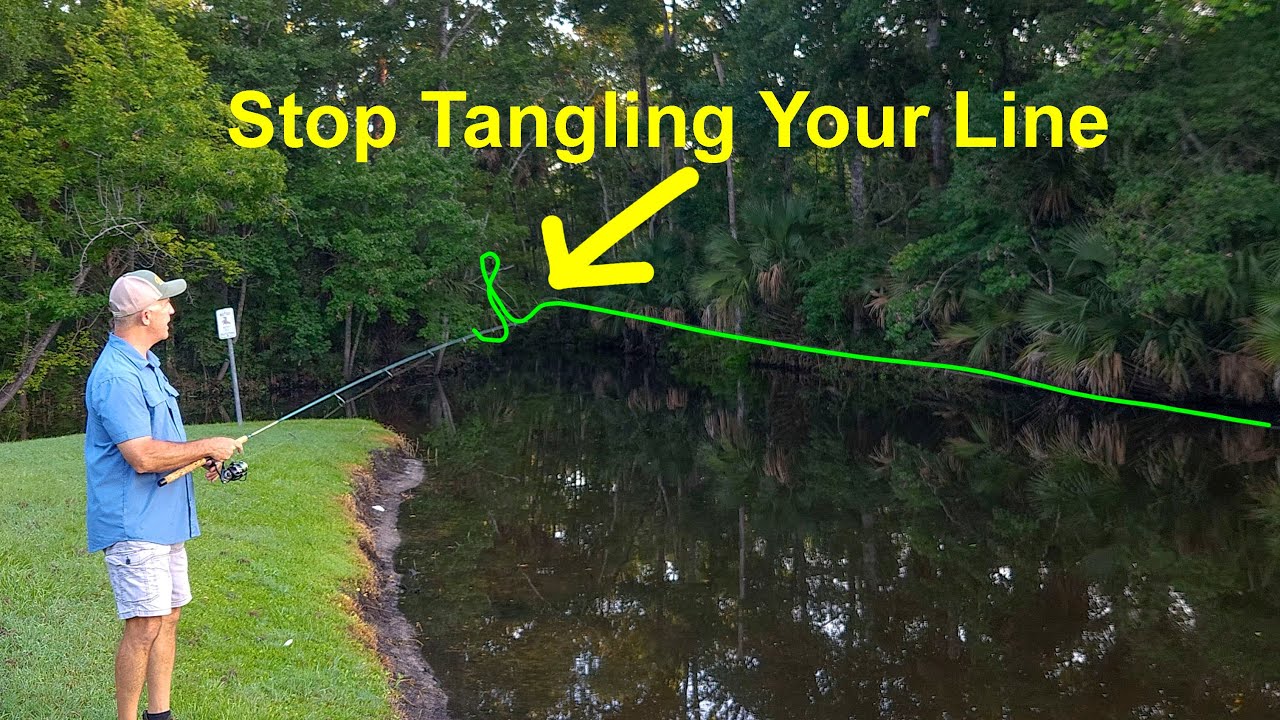
Keep line tension steady to avoid tangles and improve casting control. Too loose or too tight tension hurts your cast.
| Tension Level | Effect |
| Too Loose | Line may tangle or drag |
| Balanced | Smooth casting and good control |
| Too Tight | Line breaks or casts short |
Adjusting For Wind Conditions
Wind affects where your line lands. Change your cast to match wind speed and direction.
- Cast slightly into the wind for better control.
- Use heavier lures to prevent wind drag.
- Shorten your cast if the wind is strong.
- Keep your rod low to reduce wind impact.
Common Mistakes To Avoid
Casting a fishing line may seem easy, but many beginners make simple errors. These mistakes can reduce your fishing success and cause frustration.
Knowing what to avoid helps you cast better and enjoy your fishing trips more. Focus on common problems and fix them early.
Overcasting And Undercasting
Overcasting means throwing the line too far. It wastes energy and can cause tangles or snags. Undercasting is not casting far enough. It limits where your bait goes.
Both affect your chances of catching fish. Try to find a smooth, controlled motion to cast the right distance.
- Overcasting can cause line breakage or wind knots
- Undercasting limits your bait’s reach
- Practice slow, steady casts to improve distance control
Incorrect Grip And Posture
Holding the rod the wrong way makes casting hard and tiring. Bad posture also reduces accuracy and can cause muscle strain.
Use a firm but relaxed grip. Stand with feet shoulder-width apart and keep your body balanced. This helps you cast smoothly.
- Do not grip the rod too tightly
- Keep your wrist straight during the cast
- Face your target and keep your shoulders relaxed
- Stand with a stable, balanced posture
Ignoring Safety Precautions
Fishing can be safe if you watch your surroundings. Ignoring safety rules risks injury to you and others nearby.
Always check your area before casting. Make sure no people, pets, or objects are close behind or around you.
- Look behind you before casting
- Wear protective eyewear to avoid hook injuries
- Keep a safe distance from other anglers
- Be careful when handling hooks and sharp tools
Practice Tips For Consistency
Casting a fishing line well takes steady practice. Consistency helps you catch fish more often.
Try simple exercises to build your skill. Keep practicing to improve your aim and distance.
Setting Up A Practice Area
Choose a safe, open space for casting practice. Use a backyard or a quiet park area.
Mark targets with cones or buckets. This helps you aim and see your progress clearly.
- Pick a spot free of obstacles
- Use soft targets for safety
- Ensure enough room for your casting motion
Drills To Enhance Technique
Practice slow, controlled casts first. Focus on your arm movement and timing.
Try casting to different distances and angles. This trains your accuracy and control.
- Cast to nearby targets repeatedly
- Vary your cast speed and strength
- Use both one-handed and two-handed casts
Tracking Your Progress
Keep a simple journal of your practice sessions. Note what works and what needs work.
Record your best distances and hit rate on targets. This helps you see steady improvement.
- Write down date and practice time
- List drills done and results
- Set small goals for each session
Credit: www.youtube.com
Frequently Asked Questions
How Do I Prepare My Fishing Line For Casting?
Start by selecting the right rod and reel for your fishing style. Thread the line through the guides, tie a secure knot, and attach the lure or bait properly. Ensure the line is free from tangles and has the correct tension before casting.
What Is The Best Casting Technique For Beginners?
Begin with the overhead cast technique. Hold the rod at a 45-degree angle, release the line smoothly while swinging the rod forward. Practice controlling the speed and direction to improve accuracy and distance gradually.
How Far Should I Cast My Fishing Line?
Cast distance depends on your target fish and water conditions. Generally, 20 to 30 feet is ideal for freshwater fishing. Practice to increase distance without sacrificing accuracy or scaring fish away.
How To Avoid Tangles When Casting A Fishing Line?
Use quality line and check for twists regularly. Keep the line taut during casting and avoid sudden jerks. Properly spool the reel and maintain steady, smooth movements to minimize tangles and improve casting performance.
Conclusion
Casting a fishing line takes practice and patience. Start with the basics and keep trying. Focus on your grip, stance, and smooth motion. Watch your line carefully as it moves through the air. Each cast teaches you something new. Enjoy the calm and quiet moments by the water.
Soon, you will feel more confident and relaxed. Fishing is about fun, not just catching fish. Keep practicing to improve your skills every time you fish. Stay patient, and enjoy the process.