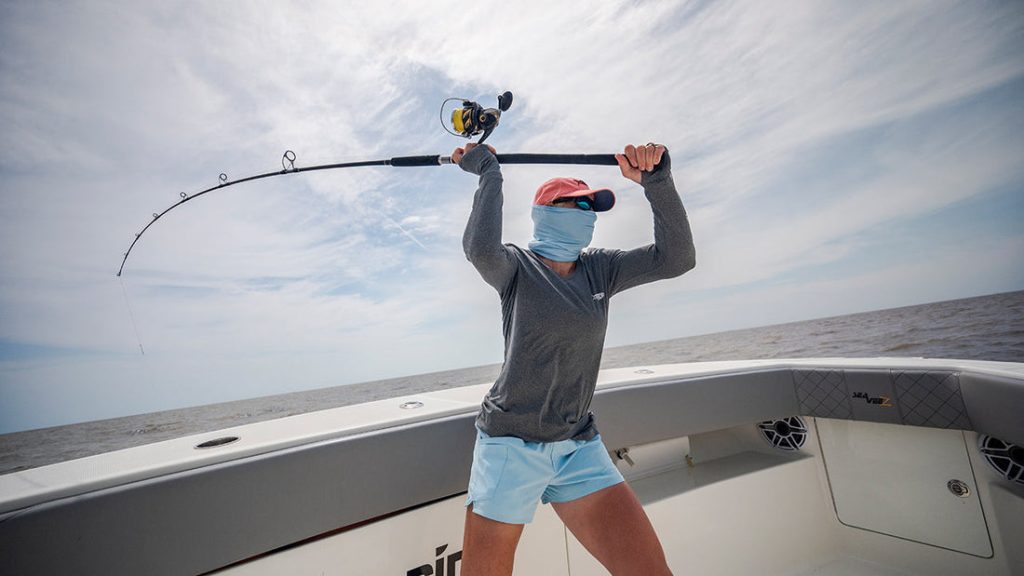
Are you ready to catch bigger fish by reaching spots others can’t? Knowing how to cast a fishing rod far can change your entire fishing experience.
Imagine casting your line beyond the usual limits, hitting those hidden areas where fish love to hide. This skill isn’t just for pros—it’s something you can learn and master quickly. Keep reading, and you’ll discover simple tips and tricks that will help you cast farther, improve your accuracy, and make every fishing trip more successful.
Your next big catch could be just a cast away!

Credit: fishingbooker.com
Choosing The Right Rod And Reel
Choosing the right rod and reel helps you cast your fishing line farther. The right gear fits your style and fishing spot.
Focus on rod length, action, reel type, and line for better distance and control.
Rod Length And Action
Longer rods give you more casting distance. They let you swing the line farther with less effort.
- Rods from 7 to 9 feet are good for long casts.
- Fast action rods bend near the tip for quick, accurate casts.
- Medium action rods bend more and offer better control but less distance.
Reel Types For Distance
Different reels affect how far you can cast. Choose one that suits your rod and fishing style.
| Reel Type | Best For | Distance Ability |
| Spinning Reel | Light lures, beginners | Good |
| Baitcasting Reel | Heavier lures, skilled anglers | Very Good |
| Spincast Reel | Easy use, short casts | Limited |
Line Selection
Your fishing line affects casting distance and accuracy. Pick a line that works with your rod and reel.
- Monofilament lines stretch and cast smoothly.
- Fluorocarbon lines are less visible in water but can be stiff.
- Braid lines are thin and strong, giving longer casts.
- Use lighter line for longer casts but check strength for your fish.
Mastering The Casting Technique
Casting a fishing rod far takes practice and good technique. You must learn how to control the rod and line well.
This guide focuses on key parts of the cast: grip and stance, the backcast and forward cast, plus timing and smooth release.
Proper Grip And Stance
Hold the rod firmly but not too tight. Your grip affects control and power. Stand with your feet shoulder-width apart for balance.
- Place your dominant hand on the rod handle.
- Wrap your fingers around the handle comfortably.
- Keep your wrist relaxed to avoid stiffness.
- Stand with knees slightly bent.
- Face your target with your body turned sideways.
Backcast And Forward Cast
The backcast moves the rod backward to load energy. The forward cast moves it forward to release the line.
| Cast Phase | Action | Tip |
|---|---|---|
| Backcast | Lift rod smoothly to 10 o’clock position | Keep line straight behind you |
| Forward Cast | Bring rod forward to 2 o’clock position | Stop rod sharply but smoothly |
Timing And Smooth Release
Good timing lets the line flow without slack. Release the line just as the rod reaches the forward stop.
- Watch the rod tip closely during the forward cast.
- Release the line smoothly with your finger.
- Avoid jerky or rushed motions.
- Practice to find the right moment to let go.
Improving Casting Accuracy
Learning to cast a fishing rod far is important. It helps you reach those distant spots where fish might be hiding. To cast accurately, you need to focus on a few key techniques.
These techniques include aiming, controlling line slack, and adjusting for wind. Let’s explore each one to help you improve your casting skills.
Aiming Tips
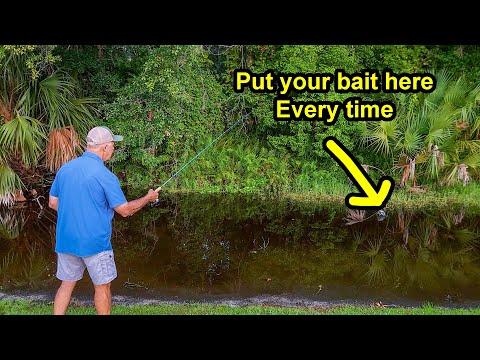
Aiming is crucial for casting accuracy. Always look at your target before casting. This helps you focus and aim better.
Keep your rod tip pointing towards your target. This ensures the line follows the intended path.
Controlling Line Slack
Line slack can ruin a good cast. Keep the line tight but not too tight. This helps in maintaining control.
Reel in any excess line before you cast. This reduces slack and improves accuracy.
Adjusting For Wind
Wind can affect your cast. Always check the wind direction before casting. Adjust your aim to compensate for wind.
If the wind is strong, aim slightly upwind. This helps your bait land where you want it.
- Use heavier lures for windy days
- Practice casting with different wind speeds
- Observe how wind affects your line

Credit: mysterytacklebox.com
Using The Right Lures And Weights
Casting a fishing rod far needs the right lures and weights. These help your line fly smoothly through the air. Choosing the right gear improves your cast distance and accuracy.
Knowing how to pick lures and weights can make fishing easier. This guide covers aerodynamic lures, optimal weights, and balance between lure and rod.
Selecting Aerodynamic Lures
Aerodynamic lures reduce air resistance during the cast. They fly farther and more steadily. Look for lures that are slim and have smooth edges.
- Choose lures with pointed fronts to cut through the air.
- Pick lures made of smooth materials like plastic or metal.
- Avoid lures with too many parts that can cause drag.
- Use streamlined shapes that mimic small fish or insects.
Optimal Weight For Distance
The weight of the lure affects how far you can cast. Too light, and the lure won’t fly far. Too heavy, and you lose control and accuracy.
| Weight (grams) | Best For Casting Distance | Rod Compatibility |
| 5-10 | Short to medium casts | Light rods |
| 10-20 | Medium to long casts | Medium rods |
| 20-30 | Long casts | Heavy rods |
| Over 30 | Very long casts or windy conditions | Extra heavy rods |
Balancing Lure And Rod
Match the lure’s weight with your rod’s power. A balanced setup gives better control and longer casts. Using a rod too light or heavy for the lure limits your distance.
Tips for balancing lure and rod:
- Check the rod’s recommended lure weight range on the label.
- Use lures near the middle of that range for best results.
- Try different lure weights to find what feels best.
- Keep the rod and lure balanced to avoid fatigue during casting.
Maintaining Your Gear
Taking care of your fishing gear helps you cast farther and fish longer. Proper maintenance keeps your equipment working smoothly.
Regular checks and cleaning improve your fishing experience. Focus on your line, reel, and rod for the best results.
Line Maintenance
Check your fishing line for damage before every trip. Replace old or frayed line to avoid breaks during casting.
- Rinse the line with fresh water after fishing in saltwater.
- Store line away from sunlight to prevent weakening.
- Use line conditioner to reduce memory and tangles.
- Replace line regularly based on use and wear.
Reel Lubrication
Lubricate your reel to keep it turning smoothly. Proper oiling reduces friction and extends the life of your reel.
| Type of Lubricant | Where to Apply | Frequency |
| Oil | Bearing and handle joints | After every few uses |
| Grease | Gears inside the reel | Every few months or after heavy use |
| Cleaning Solvent | Before lubrication | When reel feels stiff or dirty |
Rod Care Tips
Keep your rod clean and strong by following simple care steps. Avoid damage and improve your casting distance.
Here are tips to care for your fishing rod:
- Wipe the rod with a damp cloth after every use.
- Check guides for cracks or rough spots.
- Store rods vertically or in a rod rack.
- Use rod sleeves or cases during transport.
- Do not lean rods against hard surfaces.
Credit: www.youtube.com
Practicing For Consistency
Consistent practice helps you cast your fishing rod far. Regular practice builds muscle memory and control.
Focus on repeating good form to improve your distance over time. Small adjustments make a big difference.
Drills To Increase Distance
Try drills that improve your strength and technique. These drills help you throw the line farther with less effort.
- Practice casting with a heavier lure to build arm strength.
- Work on your wrist snap to add speed to the cast.
- Use a target to aim your casts and improve accuracy.
- Try slow, controlled casts to focus on smooth motion.
- Repeat each drill several times to build consistency.
Tracking Progress
Keep track of how far you cast each time. Measuring your progress shows what works best.
Write down your distances and note any changes in technique. This helps you focus on areas that need work.
- Use a tape measure or landmarks to check distance.
- Record your best and average cast distances.
- Note weather or wind conditions during practice.
- Review your notes to find patterns and improvements.
Common Mistakes To Avoid
Avoid mistakes that limit your casting distance. Fixing these helps you cast farther and safer.
- Do not rush the cast; speed comes from smooth motion.
- Avoid using only your arm; use your whole body.
- Do not let your wrist stay stiff; keep it flexible.
- Avoid casting against strong wind without adjustment.
- Do not ignore your grip; hold the rod firmly but not tight.
Frequently Asked Questions
How Can I Improve My Fishing Rod Casting Distance?
To cast farther, use a longer rod, practice smooth casting, and increase your wrist speed. Choose lighter lures and reduce line friction for better distance.
What Type Of Fishing Rod Is Best For Long Casts?
A longer rod, around 7 to 9 feet, is ideal for long casts. Medium to fast action rods help control the line and improve casting accuracy.
How Does Fishing Line Affect Casting Distance?
Lighter and thinner lines reduce air resistance and friction, allowing longer casts. Use low-stretch, high-quality lines for better distance and control.
Can Technique Improve My Fishing Rod Casting Range?
Yes, proper technique is crucial. Use a smooth, fluid motion, time your release accurately, and avoid jerky movements to maximize casting distance and accuracy.
Conclusion
Casting a fishing rod far takes practice and patience. Focus on your grip, stance, and timing. Use smooth, steady movements to avoid tangles. Choose the right rod and line for longer casts. Remember, small changes can make a big difference.
Keep practicing and enjoy your time fishing. The more you try, the better you will get. Stay calm and have fun out on the water. Success comes with effort and a good attitude.