Are you ready to enjoy the thrill of fishing but don’t know where to start? Learning how to cast a fishing rod is the first step to catching your next big fish.
It might seem tricky at first, but with the right guidance, you can master this skill quickly. You’ll discover simple, clear steps to help you cast your rod like a pro. Keep reading, and soon you’ll feel confident standing by the water, ready to reel in your prize catch.
Choosing The Right Rod
Picking the right fishing rod is important for a good fishing experience. The right rod helps you cast better and catch fish more easily.
This guide covers key points to help beginners choose the best rod for their needs.
Types Of Fishing Rods
There are several types of fishing rods. Each type fits different fishing styles and fish species. Here are the common types:
- Spinning Rods: Easy to use, good for light lures and small fish.
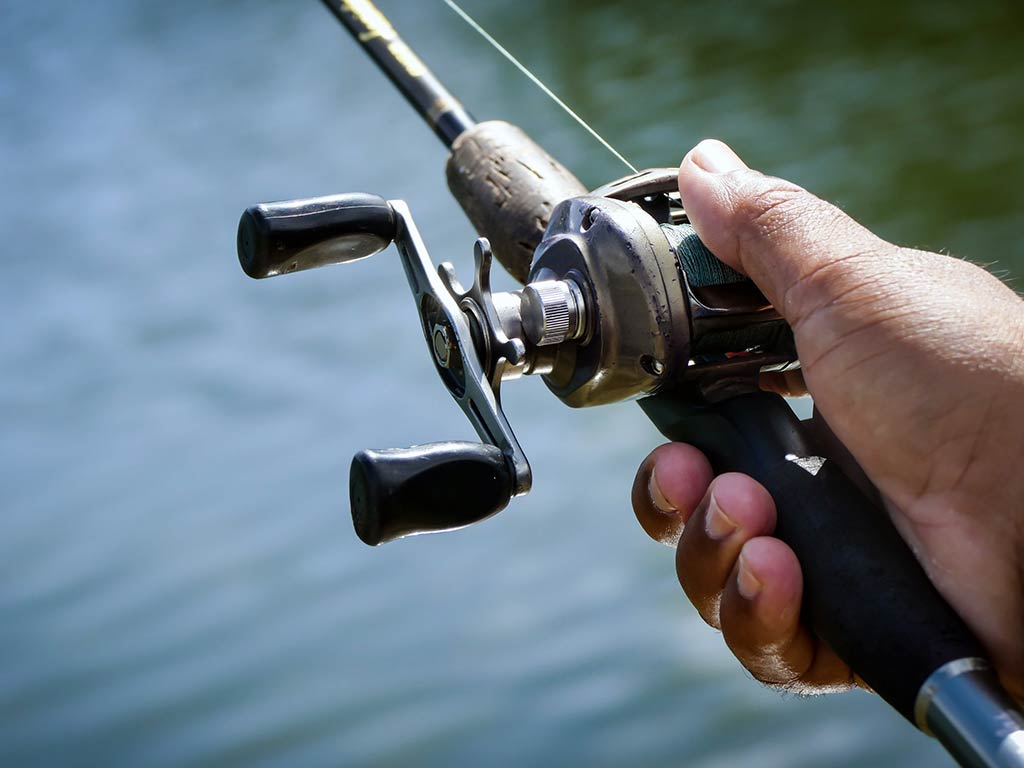
- Baitcasting Rods: Offer better control for heavier lures and bigger fish.
- Fly Rods: Designed for fly fishing, they cast lightweight flies.
- Trolling Rods: Used for fishing from a moving boat.
Selecting Rod Length And Power
Rod length affects casting distance and control. Short rods are easier to handle, long rods cast farther.
| Rod Length | Use |
| 5 to 6 feet | Best for close fishing and control |
| 6 to 7 feet | Good all-round length for many types |
| 7 to 9 feet | For long casts and open water |
Rod power means how strong the rod is. Choose light power for small fish, medium for average fish, and heavy for big fish.
Matching Rod With Reel
The rod and reel must work well together. Use spinning rods with spinning reels. Use baitcasting rods with baitcasting reels.
- Match rod power with reel size.
- Check the rod’s line weight rating and match with reel line capacity.
- Balance the rod and reel for better casting comfort.

Credit: www.youtube.com
Preparing Your Gear
Learning to cast a fishing rod starts with getting your gear ready. Proper preparation can make your fishing trip successful and enjoyable.
Follow these steps to ensure your fishing rod and tackle are set up correctly. This will help you have a smooth experience by the water.
Attaching The Reel
First, you need to attach the reel to the rod. Ensure the reel foot fits snugly into the reel seat. Tighten the seat by turning the locking mechanism.
Threading The Line
Threading the line is an important step. Start by passing the line through the rod guides. Begin at the bottom guide and move upward to the tip.
- Open the bail on the reel.
- Pull the line and pass it through each guide.
- Close the bail to secure the line.
Adding The Hook And Bait
Now, it’s time to add the hook and bait. Choose a hook suitable for the type of fish you are aiming to catch. Secure the hook with a knot.
For example, use the improved clinch knot:
- Pass the line through the hook eye.
- Wrap it around the line six times.
- Thread the line back through the loop near the eye.
- Pull tight and trim excess line.
Basic Casting Techniques
Casting a fishing rod well helps you place your bait where fish swim. You need to learn the right way to hold the rod and move it smoothly.
This guide explains the basic casting steps for beginners. It covers grip, stance, and the two main motions to cast.
Grip And Stance
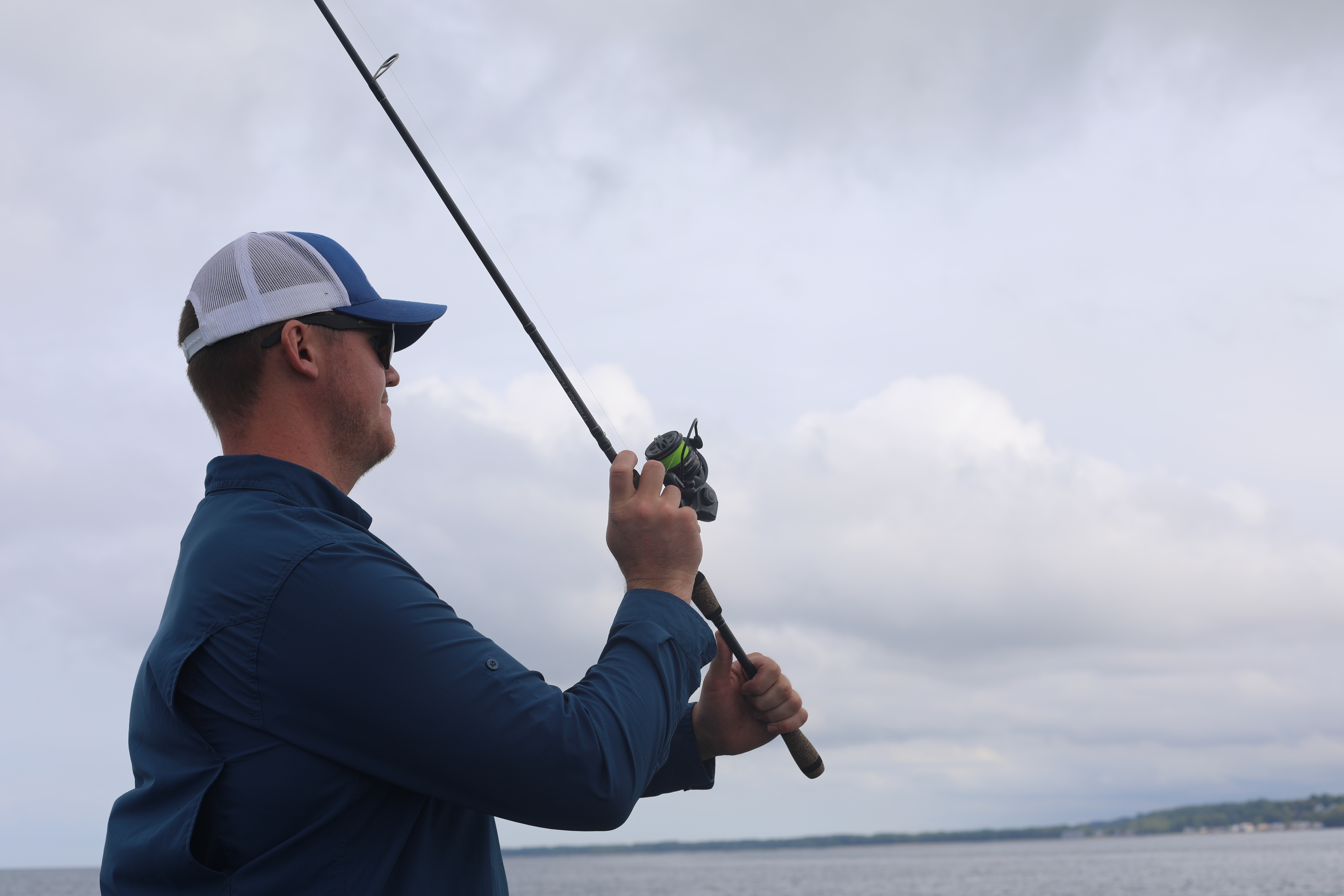
Hold the rod firmly but not too tight. Use your dominant hand to grip the handle just above the reel. Your other hand can support the rod below the reel.
- Keep your feet shoulder-width apart for balance.
- Stand with your body facing the side where you want to cast.
- Bend your knees slightly to stay flexible.
- Keep your back straight and relax your shoulders.
Back Cast Motion
Start with the rod tip low near the water. Lift the rod smoothly and bring it back over your shoulder. Stop when the rod points slightly above horizontal.
A slow and steady back cast helps avoid tangles and prepares the line for the forward cast.
Forward Cast Motion
After the back cast, move the rod forward with a quick, smooth motion. Release the line when the rod tip points toward your target area.
| Action | Description |
| Grip | Hold rod firmly with dominant hand |
| Stance | Feet shoulder-width, body facing cast direction |
| Back Cast | Lift rod and move back over shoulder |
| Forward Cast | Quickly move rod forward and release line |
Credit: www.fishusa.com
Tips For Accurate Casting
Casting a fishing rod well helps you catch more fish. Accuracy makes your bait land where you want it.
These tips will help beginners cast with better aim and control.
Aiming Your Cast
Look at the spot where you want your bait to land. Keep your eyes on that target while casting.
Point your rod tip toward the target before you start the cast. This helps guide your line straight.
- Stand so your body faces the target.
- Keep the rod tip low and steady before casting.
- Release the line smoothly toward the target.
Controlling Line Tension
Good tension keeps your line from tangling or slackening. It helps your bait move naturally in water.
Hold the rod firmly but not too tight. Let the line flow with control during the cast and after.
- Tighten the drag to avoid loose line.
- Keep your finger lightly on the line spool.
- Practice smooth releases to avoid line snaps.
Adjusting For Wind Conditions
Wind can push your line off target. Adjust your cast to avoid wind interference.
Cast slightly against the wind to keep your bait on course. Use shorter casts if wind is strong.
- Check wind direction before casting.
- Use lighter lures in strong wind.
- Lower your rod tip to reduce wind impact.
Common Casting Mistakes
Learning to cast a fishing rod well takes practice. Many beginners make simple errors that hurt their casting. Knowing these mistakes helps you improve faster.
Below are three common casting mistakes. Each one affects your accuracy and distance. Fixing them will make fishing more enjoyable.
Overpowering The Cast
Many beginners think casting harder means casting farther. This is not true. Using too much force causes poor control and tangles.
- Use smooth, controlled movements.
- Aim for a steady rhythm, not speed.
- Let the rod do the work by flexing gently.
- Practice soft casts before trying for distance.
Incorrect Wrist Movement
The wrist should stay firm during the cast. Twisting or snapping it causes poor line direction and weak throws. Keep the wrist straight and use your arm.
| Wrong Wrist Action | Effect |
| Snapping | Line goes off target |
| Twisting | Rod loses power |
| Loose wrist | Less control over cast |
Ignoring Rod Position
Rod position matters before and during the cast. Holding the rod too low or too high reduces accuracy. Keep the rod tip pointed slightly upward.
Key points for rod position:
- Start with the rod tip at about 10 o’clock position.
- Bring the rod back smoothly to 2 o’clock before casting forward.
- Avoid dropping the rod tip during the cast.
- Maintain a natural grip without tension.

Credit: www.youtube.com
Practicing For Improvement
Practicing casting helps you get better over time. It builds skill and confidence. Regular drills make your fishing more fun and successful.
Focus on key areas like accuracy, distance, and timing. Each part needs practice to improve. Use simple exercises to train your casting technique.
Drills For Accuracy
Good accuracy means your lure lands where you want it. This helps catch fish in tight spots. Practice by aiming at small targets on the water or shore.
- Set up floating or fixed targets at different distances
- Try to hit each target several times in a row
- Adjust your casting angle and power for better aim
- Practice casting with different lures to feel their weight
- Keep your wrist firm and use smooth arm movement
Building Casting Distance
Long casts help you reach more fishing spots. Focus on strong, smooth motions. Use your whole body, not just your arms, for power.
| Tip | How to Do It |
| Use a Longer Rod | Long rods give more leverage and distance |
| Practice Smooth Acceleration | Start slow, then speed up your cast |
| Follow Through | Let your rod tip continue moving after release |
| Check Your Grip | Hold the rod firmly but not too tight |
| Cast in Open Areas | Avoid obstacles to practice full swings |
Timing And Rhythm
Timing controls when you release the lure. Good rhythm makes casts smooth and consistent. Practice a steady casting pace to improve your flow.
Try this simple timing drill:
- Hold the rod behind you and pause for 2 seconds.
- Begin casting forward with a steady speed.
- Release the line just as the rod points at your target.
- Repeat slowly until your timing feels natural.
Keep practicing this rhythm to build muscle memory and better control.
Safety Tips While Casting
Casting a fishing rod can be fun but also risky if you are not careful. Always follow safety rules to avoid accidents.
Pay attention to your actions and environment. This helps keep you and others safe while fishing.
Checking Surroundings
Look around before you cast your rod. Make sure no people, animals, or objects are nearby.
Clear space helps prevent hooking someone or damaging property. Always be aware of your fishing spot.
- Check behind you and beside you
- Watch for low branches or power lines
- Keep a safe distance from others
Handling Hooks Carefully
Hooks are sharp and can cause injuries. Hold them carefully and avoid touching the point.
Use pliers or a hook remover to handle hooks safely. Keep hooks covered when not in use.
- Keep hooks away from your body
- Use tools to remove hooks from fish
- Store hooks in a tackle box
Avoiding Line Tangles
Tangled lines can cause frustration and accidents. Cast with smooth, steady motions to avoid knots.
Check your line often and rewind it properly. This keeps the line ready for your next cast.
- Keep line tight during casting
- Untangle knots before casting again
- Use your reel to control line speed
Frequently Asked Questions
How Do Beginners Hold A Fishing Rod Correctly?
Beginners should grip the rod with their dominant hand near the reel. The other hand supports the rod’s base. Keep a relaxed but firm hold to control the cast effectively and avoid fatigue during fishing.
What Is The Best Way To Cast A Fishing Rod?
Start with the rod tip low, then smoothly lift it back over your shoulder. Flick the rod forward, releasing the line at the right moment. Practice timing and smooth motion to improve accuracy and distance.
How Far Should Beginners Cast A Fishing Rod?
Beginners should aim to cast around 20 to 30 feet. This distance balances control and effectiveness. As skills improve, you can gradually increase the casting distance for better fishing results.
When Should I Release The Fishing Line During Casting?
Release the line when the rod tip points slightly upward in front of you. This timing lets the lure fly smoothly and land accurately. Practice helps you master the exact release point for better casts.
Conclusion
Casting a fishing rod takes practice and patience. Start slow and focus on your form. Keep your movements smooth and steady. Watch your line carefully to avoid tangles. Remember, every cast improves your skill. Enjoy the process and time outdoors.
Fishing is about relaxation and fun. Keep trying, and you will get better. Soon, casting will feel natural and easy.