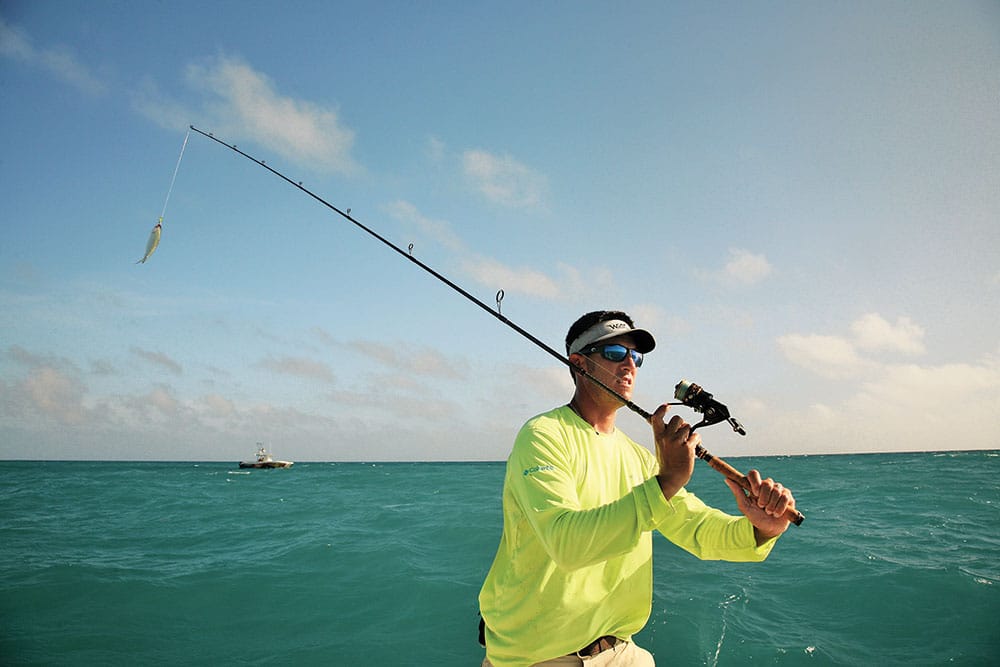
Are you ready to catch more fish and enjoy your time by the water? Learning how to cast a fishing rod properly is the key to making every cast count.
Whether you’re a beginner or just need a quick refresher, this guide will help you improve your technique fast. Imagine feeling the thrill as your line flies smoothly and lands exactly where you want it. Keep reading, and you’ll discover simple steps that make casting easier and more effective—turning your fishing trips into unforgettable adventures.
Choosing The Right Rod And Reel
Choosing the right rod and reel is important for fishing success. The right gear helps you cast better and catch more fish.
Learn about different types of rods and reels. Match them well to improve your casting skills.
Types Of Fishing Rods
Fishing rods come in many types. Each type fits different fishing styles and fish sizes.
- Spinning rods are light and easy to use.
- Baitcasting rods offer more control and power.
- Fly rods are for fly fishing with special lines.
- Trolling rods are strong for deep water fishing.
Pick a rod based on the fish you want to catch. Also, consider where you will fish.
Selecting The Ideal Reel
Reels hold and release the fishing line. Choose a reel that matches your rod and fishing style.
- Spinning reels are good for beginners and light fishing.
- Baitcasting reels work well for heavy lines and strong fish.
- Fly reels are made for fly fishing and easy line control.
Look for reels that feel comfortable in your hand. Make sure they work smoothly.
Matching Rod And Reel For Casting
Match your rod and reel to cast well. The right pair helps you throw the line far and accurate.
Check the rod’s power and action with the reel’s size and weight. Balanced gear feels better and works easier.
- Use light rods with small spinning reels for small fish.
- Use medium rods with medium reels for general fishing.
- Use heavy rods with baitcasting reels for big fish.
Testing your gear before fishing helps you find the best match. Good gear makes casting fun and effective.
Preparing Your Gear
Before you cast a fishing rod, you need to prepare your gear carefully. Proper preparation helps you fish better and avoid problems.
This guide covers how to attach the line and lure, check the line condition, and set the drag properly.
Attaching The Line And Lure
Attach the fishing line to your rod’s reel securely. Then tie the lure or bait to the end of the line.
Use strong knots like the improved clinch knot to keep the lure from slipping off.
- Thread the line through the lure eye
- Wrap the line around itself 5-7 times
- Pass the end through the loop near the eye
- Moisten the knot and pull tight
- Trim the excess line
Checking Line Condition
Inspect your fishing line for cracks, frays, or weak spots. Old or damaged lines can break easily.
Replace the line if you see any damage. Clean your line to remove dirt and salt after each use.
- Look for discoloration or rough spots
- Feel for thin or worn areas
- Test the line strength by pulling gently
- Change line every season or sooner if damaged
Setting The Drag Properly
Drag controls how much line pulls out when a fish bites. Set it so the fish can pull line but not break it.
Tighten or loosen the drag knob on your reel to adjust the resistance. Test by pulling line with your hand.
- Start with drag at about one-third of the line’s breaking strength
- Pull line by hand to check tension
- Adjust drag if line pulls too easily or too hard
- Keep drag smooth to avoid sudden line breaks
Basic Casting Techniques
Casting is a key skill for fishing. It helps you place the bait where fish swim.
This guide covers the basic moves to cast your rod well. Focus on grip, stance, and the casting motion.
Grip And Stance
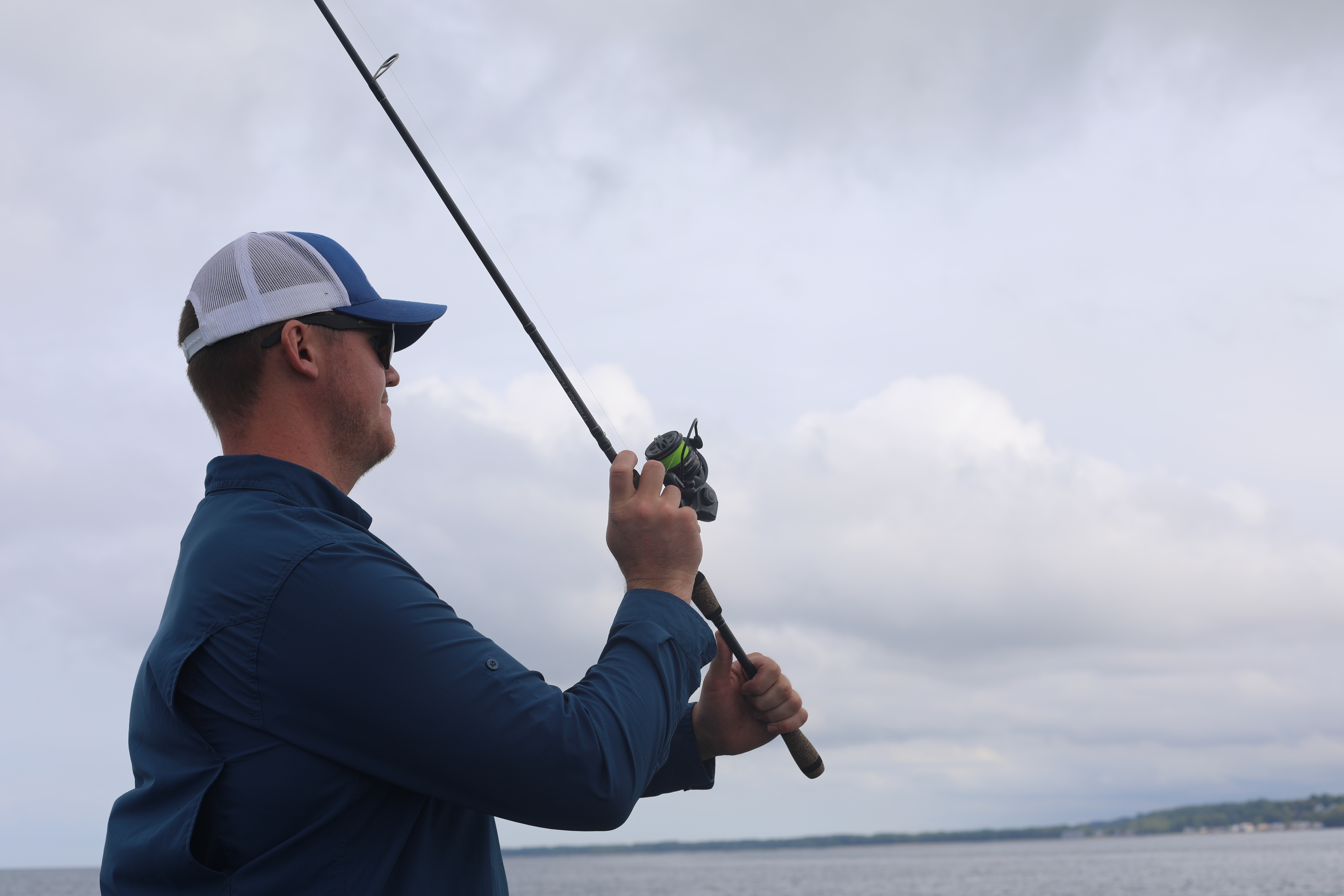
Hold the rod firmly but not too tight. Your grip controls the cast and accuracy.
- Place your thumb on top of the rod handle.
- Wrap your fingers around the handle below your thumb.
- Stand with feet shoulder-width apart for balance.
- Face the direction where you want to cast.
- Bend your knees slightly for stability.
Back Cast Movement
The back cast moves the rod backward to prepare for the forward cast. Keep your arm steady and smooth.
| Action | Description |
| Start Position | Rod tip low and in front of you |
| Lift Rod | Raise rod slowly over your shoulder |
| Pause | Stop when rod points behind you |
| Check Line | Make sure line is straight and not tangled |
Forward Cast Movement
Push the rod forward to throw the line. Use your wrist and arm together for power and control.
- Start with rod behind your head.
- Smoothly move the rod forward.
- Release the line when the rod points at your target.
- Follow through with the rod pointing forward.
- Let the line stretch out over the water.

Credit: fishingbooker.com
Improving Accuracy And Distance
Casting a fishing rod well helps you catch more fish. Accuracy and distance are key parts of a good cast.
Focus on your technique to improve how far and how true your cast goes. Small changes can make a big difference.
Timing Your Cast
Good timing lets the line fly smoothly. Release the line at the right moment to avoid tangles and increase distance.
- Start with a slow back cast to load the rod.
- Pause briefly at the top of the back cast.
- Begin the forward cast with a smooth motion.
- Release the line as the rod points at your target.
Controlling Rod Flex
The rod’s bend stores energy and helps send the lure far. Too much or too little flex hurts your cast.
| Rod Flex Level | Effect on Cast |
| Too Stiff | Short distance, less control |
| Moderate Flex | Good distance and accuracy |
| Too Soft | Slower cast, less power |
Adjusting For Wind Conditions
Wind can push your line off course or slow it down. Adjust your cast to keep control in different wind types.
- Cast at a lower angle to reduce wind impact.
- Use heavier lures to stay steady in strong wind.
- Let the line out less to keep it tight and controlled.
Common Mistakes To Avoid
Casting a fishing rod can be tricky for beginners. Avoiding common mistakes helps you fish better.
Focus on proper technique and safety to enjoy your fishing trips more.
Overcasting And Undercasting
Overcasting happens when you cast too far. It wastes energy and can cause tangles.
Undercasting means not casting far enough. This limits where your bait can reach.
- Keep your arm movement smooth and controlled
- Practice different casting distances
- Adjust your force based on the fishing spot
Poor Line Management
Bad line management causes tangles and breaks. It reduces your chances to catch fish.
Always check your line before casting. Keep it tight but not too tight.
- Untangle knots before casting
- Use the right line for your rod and reel
- Regularly clean and replace old line
Ignoring Safety Precautions
Not paying attention to safety can cause injuries. Always watch your surroundings.
Wear protective gear and keep a safe distance from others while casting.
- Check behind you before casting
- Wear sunglasses to protect your eyes
- Keep hooks covered when not in use
Advanced Casting Tips
Casting a fishing rod well can help you catch more fish. Using good techniques improves your accuracy and distance.
These tips focus on handling different lures, casting in small areas, and using heavy baits.
Using Different Lures Effectively
Each lure type needs a different casting style. Match your cast to the lure for better results.
Light lures need a gentle cast. Heavy or bulky lures need more power and control.
- Use a smooth, slow cast for light lures to avoid tangles.
- Cast harder for spinnerbaits to get the right speed.
- For crankbaits, aim for clear water spots with a medium cast.
- Practice different speeds to match the lure action.
Casting In Tight Spaces
Small spots need careful casting to avoid trees and bushes. Use short, controlled casts.
Try sidearm or underhand casts to fit in narrow areas. These casts reduce line slap and snagging.
- Keep your rod tip low to the water for better control.
- Use your wrist to guide the cast in tight spots.
- Practice slow and steady movements to avoid noise.
Techniques For Heavy Baits
Heavy baits need more force to cast far. Use a strong but smooth motion to protect your rod.
Start your cast with the rod low. Bring it back fully, then snap it forward with your arm and wrist.
- Check your rod’s power rating to match heavy baits.
- Use heavier line to handle the weight safely.
- Keep your grip firm but relaxed to avoid fatigue.
Practice Drills For Mastery
Casting a fishing rod well takes practice. Regular drills help improve accuracy and distance. These exercises build muscle memory and confidence.
Focus on small goals during practice. This way, you can see steady progress. Try different drills to address different casting skills.
Short Distance Casting Exercises
Start by casting short distances to control your rod better. This helps you learn the right motion and timing. Aim for targets close by.
Repeat short casts until you feel comfortable. This builds a solid foundation before trying longer casts.
- Use a small target like a hoop or bucket
- Stand about 10 feet away from the target
- Focus on smooth, controlled rod movement
- Try casting with both hands if possible
Target Casting Challenges
Practice casting at specific targets to improve accuracy. This simulates real fishing conditions where you aim for a spot in the water. Change targets often.
Try casting to narrow or moving targets. This helps you adjust your strength and direction quickly.
- Place several targets at different distances
- Try hitting each target in order
- Use objects like cones or floating markers
- Increase difficulty by changing target size
Recording And Reviewing Progress
Keep track of your casting practice to see improvement. Record videos or write notes about your sessions. Review them to find areas to improve.
Watching yourself cast helps spot mistakes. It also shows your best moments so you can repeat them.
- Use a phone or camera to record practice
- Note distances and accuracy after each session
- Compare videos over time for progress
- Ask a friend to watch and give feedback
Credit: www.fishusa.com

Credit: www.aftco.com
Frequently Asked Questions
How Do You Hold A Fishing Rod Correctly?
To hold a fishing rod correctly, grip it firmly but not too tightly. Position your thumb on top and fingers underneath the rod handle. Keep your wrist straight to avoid strain. This grip ensures better control and accuracy when casting, helping you achieve more successful fishing results.
What Is The Best Casting Technique For Beginners?
For beginners, the overhead cast is ideal. Start with your rod at 2 o’clock, then smoothly bring it forward to 10 o’clock. Release the line just before it reaches the forward position. This technique provides good distance and accuracy, making it easier for novices to learn and master.
How Do I Improve Casting Accuracy?
To improve casting accuracy, focus on your target before casting. Ensure a smooth, controlled motion and practice regularly. Adjust your grip and stance as needed. Consistent practice helps develop muscle memory, leading to more precise casts over time. Aim small to hit your target effectively.
What Common Mistakes Should I Avoid When Casting?
Avoid jerky movements and releasing the line too late. Ensure your grip is relaxed but firm. Keep your wrist straight to prevent fatigue. These common mistakes can hinder your casting accuracy and distance. Practicing correct techniques will help you avoid these pitfalls and improve your fishing skills.
Conclusion
Casting a fishing rod takes practice and patience. Start slow and focus on your technique. Keep your movements smooth and steady. Watch how the line flows through the air. Remember, each cast helps you improve. Enjoy the process of learning and fishing.
Soon, casting will feel natural and easy. Stay calm, keep trying, and have fun outdoors. Fishing is a great way to relax and connect with nature. Keep practicing, and good catches will come.