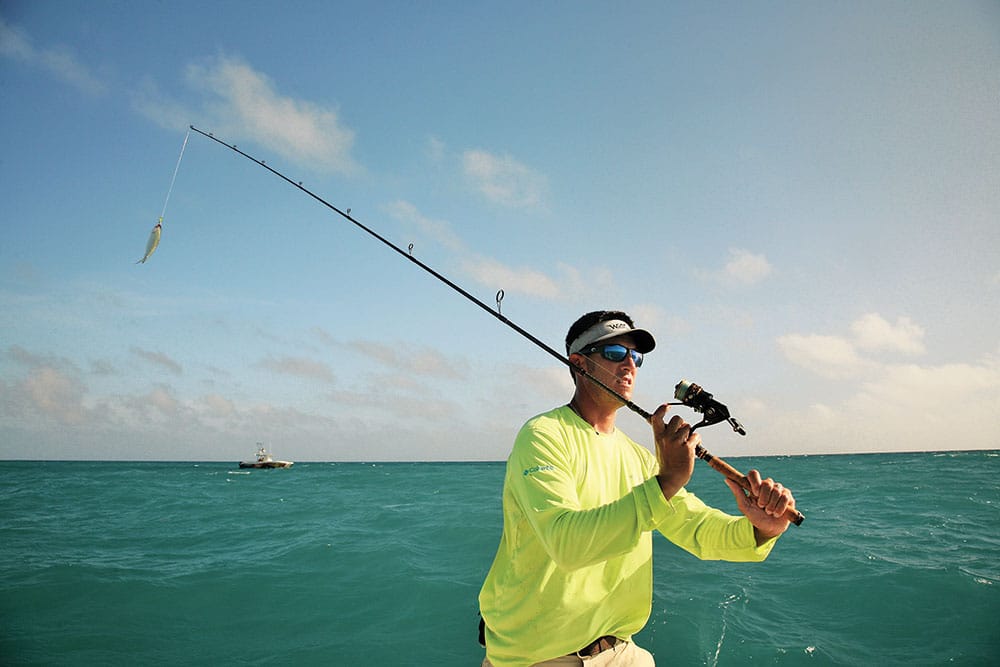
Are you tired of your fishing line barely reaching the spot where the big fish hang out? Imagine casting your line farther than ever before, giving you the edge to catch more and bigger fish.
Learning how to cast far with your fishing rod can transform your fishing experience, making every trip more exciting and successful. You’ll discover simple tips and techniques to boost your casting distance, so you can land the catch you’ve been dreaming of.
Ready to improve your cast and reel in more fish? Let’s dive in!
Choosing The Right Rod
Choosing the right fishing rod helps you cast far and fish better. The rod affects how far the bait can go and how easy it is to handle.
Focus on rod length, power, material, and reel compatibility. These factors work together to improve your casting distance and control.
Rod Length And Power
Longer rods let you cast farther because they provide more leverage. Rod power means how strong the rod is and how much weight it can handle. Choose power based on the fish size and lure weight.
- Light power rods suit small fish and light lures
- Medium power rods are good for average fish and lures
- Heavy power rods work for big fish and heavy lures
Material And Flexibility
Rods come in graphite, fiberglass, or composite materials. Graphite rods are light and sensitive. Fiberglass rods are stronger but heavier. Composite rods mix both for balance.
| Material | Weight | Flexibility | Best Use |
| Graphite | Light | High | Long casts, sensitive bites |
| Fiberglass | Heavy | Low | Strong fighting, durability |
| Composite | Medium | Medium | All-around use |
Reel Compatibility
Your rod must fit the reel type to cast well. Spinning reels work best with lighter rods. Baitcasting reels pair with medium to heavy rods for control. Match rod and reel to avoid casting problems.
- Check the rod’s reel seat size
- Use spinning rods with spinning reels
- Use baitcasting rods with baitcasting reels
- Consider the line weight rating on both rod and reel

Credit: www.aftco.com
Selecting The Best Line And Lure
Choosing the right fishing line and lure helps you cast farther and catch more fish.
Understanding line types and lure features makes your fishing more effective.
Line Types And Strength
Fishing lines come in several types, each with different strength and stretch.
- Monofilament:Stretchy and easy to handle, good for beginners.
- Fluorocarbon:Less visible underwater and sinks faster.
- Braid:Very strong and thin, ideal for long casts.
Choose line strength based on the fish size and casting distance you need.
Lure Weight And Shape
Lure weight affects how far you can cast your line.
| Lure Weight | Best Use |
| Light (1-5 grams) | Short casts and small fish |
| Medium (6-15 grams) | Moderate distance and variety of fish |
| Heavy (16+ grams) | Long casts and big fish |
Shape also matters. Slim lures cut through air better for longer casts.
Matching Lure To Target Species
Different fish prefer different lure types, colors, and sizes.
- Use small, shiny lures for trout and panfish.
- Choose larger, flashy lures for bass and pike.
- Pick natural colors in clear water and bright colors in murky water.
Matching your lure to the fish increases your chance of a catch.
Perfecting Your Casting Technique
Learning to cast far with a fishing rod takes practice. Each part of the technique is important. Let’s explore key elements to improve your casting.
From how you grip the rod to the timing of your cast, small changes can make a big difference. Follow these tips to enhance your skills.
Grip And Stance
Your grip and stance set the foundation for a good cast. Hold the rod firmly but not too tight. Position your feet shoulder-width apart for balance.
- Keep your thumb on top of the rod for control
- Align your body with the target
- Relax your shoulders to reduce tension
Backcast And Forward Cast
The backcast and forward cast are crucial for distance. Move the rod smoothly to avoid jerking. Let the rod do the work for you.
Use your wrist lightly during the backcast. This helps in gaining momentum for the forward cast.
Timing And Speed
Timing and speed play a key role in casting. Wait for the line to fully extend on the backcast before moving forward. This ensures maximum distance.
| Aspect | Tip |
| Timing | Pause briefly at the end of the backcast |
| Speed | Increase speed smoothly on the forward cast |
| Release | Release the line at a 45-degree angle |

Credit: mysterytacklebox.com
Adjusting For Wind And Weather
Wind and weather affect how far and accurately you can cast your fishing rod. Learning to adjust your technique helps you fish better in different conditions.
Changing your casting style based on wind direction and weather keeps your line steady and improves your chances of catching fish.
Casting Against The Wind
Casting against the wind can slow your line and reduce distance. To cast farther, use a lower and smoother cast.
Keep your rod tip low and avoid a big overhead cast. This reduces wind resistance on your line.
- Use lighter lures or weights to keep control
- Shorten your casting stroke for more accuracy
- Let the wind help carry the line after release
Utilizing Wind Direction
Casting with the wind behind you helps your lure fly farther. Adjust your stance to face the wind for better control.
Watch how the wind moves your line after the cast. Use this to guide your lure to the right spot.
- Position yourself so the wind is at your back
- Use a longer casting stroke to take advantage of the wind
- Choose heavier lures to keep line steady
Handling Rain And Humidity
Rain can make your rod and line slippery. Keep a firm grip and dry your hands often.
High humidity can affect how your line moves. Cast smoothly to avoid tangles and keep control.
- Use waterproof gloves or grips for better hold
- Check your reel and line for water buildup
- Adjust your casting speed to avoid line slack
Tips For Improving Accuracy And Distance
Casting far with a fishing rod helps you reach better spots. Accurate casts place the bait where fish swim. Use these tips to improve both your distance and aim.
Practice these simple techniques to get better at casting. Small changes make a big difference in how far and how well you cast.
Smooth Rod Loading
Load the rod smoothly by bending it gently as you pull the line back. This stores energy in the rod. Sudden movements waste power and reduce distance.
Keep your wrist firm but relaxed. A smooth motion helps the rod bend evenly. This makes your cast more controlled and accurate.
Maximizing Rod Flex
Use the rod’s natural flex to boost casting power. Let the rod bend fully before releasing the line. This pushes the bait farther without extra effort.
Choose a rod with good action for your fishing style. Faster rods give more snap, while slower rods offer smoother casts. Match the rod to your needs for best results.
Avoiding Common Mistakes
Many anglers cast too hard or too fast. This causes poor accuracy and shorter distance. Focus on timing and smoothness instead of power.
- Do not jerk the rod; avoid sudden stops
- Keep your elbow steady during the cast
- Check your line for tangles before casting
- Practice your release timing for better control
Maintenance For Optimal Performance
Keeping your fishing rod in good condition helps you cast farther and fish better.
Regular care prevents damage and makes your equipment last longer.
Cleaning And Lubrication
Clean your rod and reel after every use to remove dirt and salt.
- Use fresh water and a soft cloth to wipe the rod.
- Remove sand or debris from guides and reel seat.
- Apply light oil to reel moving parts to keep them smooth.
- Dry everything completely before storing.
Line Replacement
Replace your fishing line regularly for best casting performance.
| Reason | Signs | Action |
| Line aging | Discoloration, stiffness | Replace line every season |
| Line damage | Nicks, frays, breaks | Change line immediately |
| Line memory | Loops, tangles | Switch to fresh line |
Rod And Reel Storage
Store rods and reels in a dry place to avoid rust and warping.
Follow these tips for safe storage:
- Loosen the reel drag to reduce pressure.
- Keep rods upright or in a rod rack.
- Avoid direct sunlight and extreme temperatures.
- Use protective cases or sleeves for transport.

Credit: www.reddit.com
Frequently Asked Questions
How Can I Improve Casting Distance With A Fishing Rod?
To improve casting distance, use a longer rod with a flexible tip. Practice smooth, controlled casting motions. Also, choose lighter lures and reduce line friction for better flight.
What Type Of Fishing Rod Is Best For Long Casts?
A longer, medium to medium-heavy action rod is best for long casts. It provides better leverage and power to propel the line further.
How Does The Fishing Line Affect Casting Distance?
Thinner, low-friction lines like braided or fluorocarbon lines improve casting distance. They reduce air resistance and spool friction, allowing longer, smoother casts.
Why Is Rod Technique Important For Casting Far?
Proper rod technique ensures maximum energy transfer to the lure. Smooth acceleration and timing help increase casting power and accuracy, resulting in longer casts.
Conclusion
Casting far with a fishing rod takes practice and patience. Use the right gear and keep your movements smooth. Focus on timing and follow-through for better distance. Watch the wind and water conditions before you cast. Remember, small improvements add up over time.
Keep practicing, and you will see progress. Enjoy the process and the peaceful moments fishing brings. Stay safe and have fun on every fishing trip.