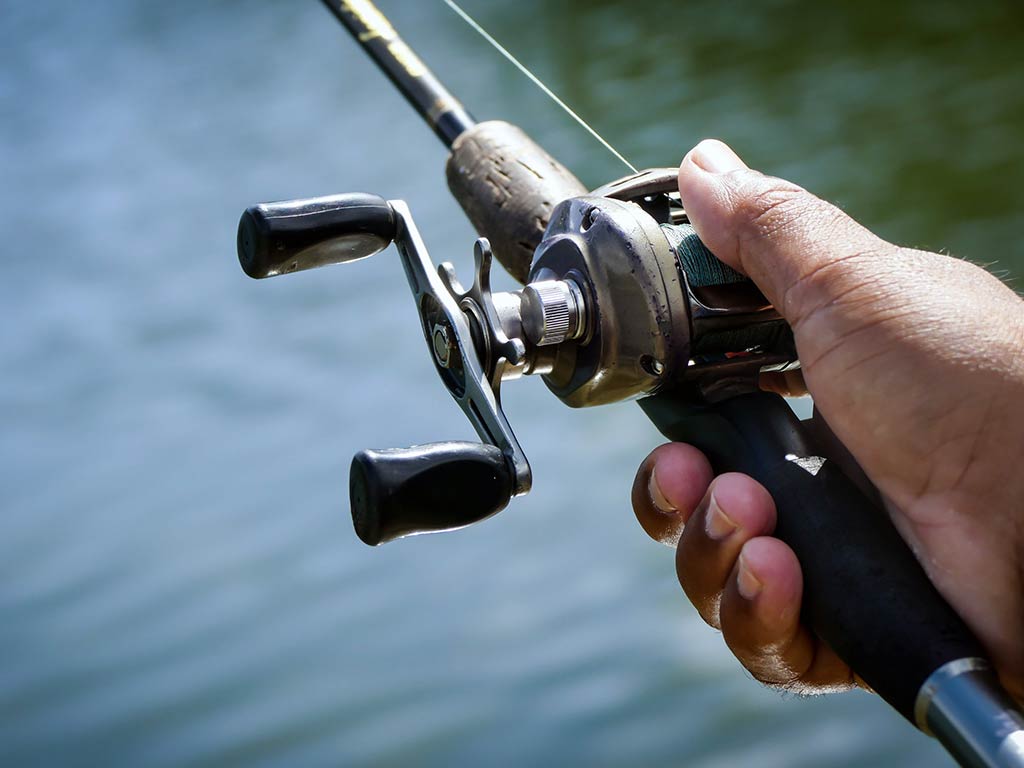
Are you ready to improve your fishing skills and catch more fish? Learning how to cast a fishing rod properly is the key to getting your bait where the fish are.
Whether you’re a beginner or want to refine your technique, this guide will help you cast with confidence and accuracy. Keep reading to discover simple steps and tips that will make your next fishing trip more successful and enjoyable. Your best catch is just a cast away!

Credit: www.aftco.com
Choosing The Right Rod
Fishing starts with the right rod. It’s important to choose wisely. The right rod makes casting easier and more fun.
Consider the type of fishing you plan to do. Different rods serve different purposes. Let’s explore the key factors.
Types Of Fishing Rods
Fishing rods come in various types. Each type is designed for specific fishing styles and environments.
- Spinning Rods: Ideal for beginners and versatile for many fish types.
- Casting Rods: Great for accuracy and distance, often used by experienced anglers.
- Fly Rods: Used for fly fishing, best for rivers and streams.
Selecting Rod Length And Power
Rod length and power influence your casting and the fish you can catch. Longer rods cast farther, while shorter ones offer more control.
| Rod Length | Best Use |
| Short (6-7 feet) | Close-range casting and better control |
| Medium (7-9 feet) | General use for various waters |
| Long (9+ feet) | Long-distance casting, ideal for surf fishing |
Matching Rod With Reel
Pairing the right reel with your rod is crucial. It ensures balance and improves your casting experience.
Consider these matches for an effective setup:
- Spinning Rods with Spinning Reels
- Casting Rods with Baitcasting Reels
- Fly Rods with Fly Reels

Credit: www.saltwatersportsman.com
Essential Gear And Setup
Casting a fishing rod correctly needs the right gear and setup. Good equipment helps you fish better and safer.
Before you cast, check your line, lure, rod, and reel. Each part must be ready to work well together.
Picking The Proper Line
Choose a fishing line that fits your fishing style and fish type. The line must be strong but easy to cast.
Light lines work well for small fish. Heavy lines suit big fish and rough water.
- Monofilament lines are flexible and easy to use
- Fluorocarbon lines are less visible underwater
- Braided lines offer high strength and low stretch
Attaching The Correct Lure
Pick a lure that matches the fish you want to catch. The lure size and color should suit the water and weather.
Attach the lure tightly to avoid losing it. Use a strong knot that holds well under tension.
- Use a loop knot for lures that move freely
- Choose a Palomar knot for strong, simple attachment
- Test the knot by pulling firmly before fishing
Checking Rod And Reel Condition
Inspect your rod and reel before fishing. Look for cracks, loose parts, or damage that may cause problems.
Make sure the reel spins smoothly. Check the drag system and clean the reel if needed for better performance.
- Look for worn guides or broken rings on the rod
- Check the reel handle and make sure it turns easily
- Lubricate moving parts to avoid rust and stiffness
Basic Casting Techniques
Casting a fishing rod well helps you catch more fish. It lets you place your bait where fish swim.
Good casting needs practice and learning simple moves. Start with the basics to improve your skills.
Grip And Stance Tips
Hold the rod firmly but not too tight. Your grip controls the rod and the cast.
Stand with your feet shoulder-width apart. Keep your body relaxed and balanced for better control.
- Use your dominant hand to hold the rod handle.
- Place your index finger along the rod for control.
- Keep your knees slightly bent to stay flexible.
- Face your target with your body turned slightly sideways.
The Backcast Motion
Start with the rod tip low and behind you. Lift the rod smoothly to prepare the cast.
Pause briefly when the rod is near vertical. This lets the line stretch behind you without tangling.
- Keep the rod tip pointed up during the backcast.
- Stop the rod movement just before it points straight up.
- Watch the line as it unfolds behind you.
The Forward Cast Motion
From the pause, move the rod forward quickly. Aim to bring the rod tip in front of you.
Release the line when the rod points about 10 to 2 o’clock. This sends the bait flying toward your target.
- Use your wrist and forearm to snap the rod forward.
- Release the line smoothly to avoid tangles.
- Follow through with the rod pointing toward the water.
Improving Accuracy
Casting a fishing rod accurately helps you reach the best spots where fish gather. It also reduces tangles and lost bait. Focus and practice improve your aim and control over the cast.
Using simple techniques can make your casts more precise. Pay attention to how you aim, control the line, and adjust for weather conditions like wind.
Aiming At Targets
Pick a clear target before you cast. This could be a spot near a log, rock, or weed where fish like to hide. Keep your eyes on the target as you cast.
- Stand steady with feet shoulder-width apart.
- Point your rod tip at the target.
- Use smooth, controlled motions to cast.
- Follow through your cast with your arm.
- Practice aiming at different distances and angles.
Controlling Line Tension
Line tension affects how far and where your bait lands. Too loose and the bait falls short. Too tight and the line may snap or pull the bait off target.
| Tension Level | Effect on Cast |
|---|---|
| Loose | Short cast, less control |
| Moderate | Accurate cast, good distance |
| Tight | Risk of line break, poor aim |
Adjusting For Wind
Wind can push your bait off course. Check wind direction and speed before casting. Adjust your aim to compensate.
Try these tips:
- Cast slightly upwind to let the wind carry your bait to the target.
- Use heavier bait or sinkers in strong wind to reduce drift.
- Shorten your cast if the wind is very strong.
Increasing Casting Distance
Casting farther helps you reach fish that are far from the shore. It also lets you cover more water.
Using the right techniques can improve your casting distance. Small changes make a big difference.
Timing The Release
Releasing the line at the right moment is key for long casts. Let go too early or late and the cast will be short.
Watch the rod tip closely. Release the line when the rod tip reaches its highest point during the forward cast.
- Start the forward cast smoothly.
- Watch the rod tip move forward.
- Release the line as the tip points straight ahead.
- A clean release sends the lure farther.
Using Rod Flex Effectively
Your rod bends during the cast to store energy. This energy helps push the lure farther when released.
Use a rod that matches your lure weight. Too stiff or too soft rods reduce casting power.
- Bend the rod by smoothly pulling it back.
- Use the stored energy by snapping it forward.
- Don’t force the rod to bend too much.
- Practice to feel the rod’s flex and timing.
Leveraging Body Movement
Your body helps add power to your cast. Use your shoulders and hips to move the rod forward.
Turn your body as you cast. This adds momentum and increases distance.
- Start with your feet shoulder-width apart.
- Rotate your hips and shoulders during the cast.
- Keep your arms relaxed but controlled.
- Practice the motion slowly, then speed up.

Credit: www.reddit.com
Common Casting Mistakes
Casting a fishing rod seems simple but many anglers make common errors. These mistakes reduce accuracy and distance.
Fixing these errors improves your fishing experience and helps catch more fish.
Overcasting And Undercasting
Overcasting happens when you throw the line too far. This wastes energy and can cause tangles.
Undercasting means the line falls too short. This limits your fishing range and may scare fish away.
- Overcasting causes line slack and knots
- Undercasting reduces bait reach
- Both affect accuracy and control
Poor Grip And Posture
Holding the rod wrong makes casting hard and tiring. A weak grip leads to less control.
Bad posture causes muscle strain and reduces casting power. Stand balanced with feet shoulder-width apart.
- Hold the rod firmly but not too tight
- Keep your arm relaxed and use your wrist
- Stand straight and face the target
Ignoring Line Management
Not managing the fishing line leads to tangles and snags. Always check the line before casting.
Keep the line smooth and free from twists. Use your fingers to control the line during the cast.
- Remove knots and twists before fishing
- Keep line tension steady while casting
- Use your fingers to guide the line
Advanced Casting Techniques
Casting a fishing rod well takes practice and good technique. Advanced casts help you reach farther and fish better.
Learn these three advanced casting types to improve your fishing skills and adapt to different fishing spots.
Roll Cast
The roll cast works well when there is little space behind you. It helps avoid snags and lets you cast smoothly.
- Hold the rod tip low and point it upstream or to the side.
- Pull the line back until it forms a loop behind the rod tip.
- Lift the rod smoothly forward, rolling the line over the water.
- Release the line at the right moment to send the bait forward.
- Lower the rod tip to control the line and prepare for a strike.
Sidearm Cast
The sidearm cast is fast and low. It helps you cast under trees or over bushes without spooking fish.
- Keep the rod close to the water surface.
- Use a smooth, sideways motion.
- Practice timing the release to avoid tangles.
- Use this cast for quick, accurate placement.
Pitch Cast
The pitch cast is good for dropping bait quietly into tight spots. It lets you place the bait with care.
| Pitch Cast Step | Description |
|---|---|
| Hold the rod low | Keep the rod tip near the water surface. |
| Open the bail | Let the line hang loose in your hand. |
| Swing the rod forward | Make a short forward motion to pitch the bait. |
| Release the line | Let go of the line as the bait moves forward. |
| Close the bail | Stop the line from unspooling after the cast. |
Practice Drills For Mastery
Practicing casting drills helps improve your fishing skills. Regular exercises build control and accuracy.
Focus on specific drills to develop different casting abilities. These drills prepare you for real fishing situations.
Distance Challenges
Work on casting your line to different distances. This helps you learn how to control the strength of your cast.
- Start by casting short distances to build accuracy.
- Gradually increase your casting distance.
- Try to reach specific points far away.
- Practice with different rod lengths and weights.
- Repeat each distance until you feel comfortable.
Target Practice
Aim at fixed targets to improve your precision. This drill trains your focus and control over the rod.
| Target Type | Distance (feet) | Goal |
| Floating ring | 10 | Hit center |
| Plastic bottle | 20 | Knock over |
| Small bucket | 30 | Land inside |
Simulating Different Conditions
Practice casting in various weather and water conditions. This helps you adapt to real fishing situations.
Try these practice ideas:
- Cast with a light wind blowing from different directions.
- Practice casting over obstacles like bushes or rocks.
- Use heavier or lighter lures to feel the differences.
- Cast early in the morning or late evening for low light practice.
Frequently Asked Questions
How Do You Properly Cast A Fishing Rod?
Hold the rod firmly and position the reel correctly. Pull the line back smoothly, then flick the rod forward. Release the line at the right moment to let the bait fly. Practice timing and control for accurate casting.
What Is The Best Technique For Long-distance Casting?
Use a smooth, powerful backcast to load the rod. Accelerate the forward cast steadily and release the line early. Keep your wrist firm and follow through. This technique maximizes distance and accuracy.
How To Avoid Tangles When Casting A Fishing Rod?
Ensure your line is untwisted and spool is properly loaded. Release the line smoothly without jerking. Avoid overloading the rod with too much line. Regularly check and maintain your gear to prevent tangles.
When Should I Use A Baitcasting Rod For Casting?
Use baitcasting rods for heavier lures and precise casting. They offer better control and longer casts. Ideal for experienced anglers targeting larger fish. Practice is essential to prevent backlash and improve accuracy.
Conclusion
Casting a fishing rod takes practice and patience. Start slow and focus on your form. Keep your eyes on the target spot. Feel the rhythm of your cast and adjust as needed. Each cast helps you improve little by little.
Enjoy the process and time outdoors. Fishing is about fun and learning. Keep trying, and you will get better every day.