Are you dealing with mice living in your refrigerator? It’s a problem that can cause worry and frustration.
These tiny intruders not only spoil your food but can also bring health risks right into your kitchen. You want a quick, safe way to catch them and protect your home. You’ll discover simple, effective steps to find and remove mice from your fridge.
Keep reading to learn how you can take back control and keep your food safe.
Signs Of Mice In Refrigerator
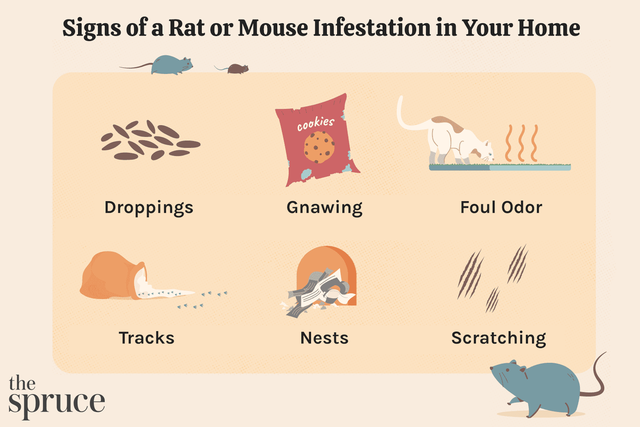
Detecting mice living inside a refrigerator can be tricky. They often stay hidden, but signs of their presence appear over time. Recognizing these signs early helps stop damage and health risks. Check carefully for noises, smells, droppings, and food damage. These clues reveal if mice have invaded your fridge space.
Unusual Noises And Smells
Strange scratching or squeaking sounds inside the fridge can mean mice are there. These noises usually happen at night when the house is quiet. A musty or ammonia-like smell may also come from urine or droppings. Both sounds and smells are clear warnings to inspect your refrigerator closely.
Droppings And Nesting Materials
Small, dark droppings near or inside the fridge show mice activity. They often leave bits of shredded paper, fabric, or insulation as nesting materials. Look in corners, drawers, and behind food packages. Finding these items means mice are likely living inside or very close to your refrigerator.
Damage To Food Packaging
Chewed or torn food wrappers signal mice presence. They bite through plastic, cardboard, and foil to reach food. Notice holes or bite marks on stored items. Damaged packaging not only wastes food but also spreads germs from mice to your meals.

Credit: www.reddit.com
Why Mice Invade Refrigerators
Understanding why mice invade refrigerators can help you prevent these unwanted guests from making your kitchen their new hangout. Mice are clever creatures, and they don’t just wander into your fridge by accident. They are drawn by specific factors that make your refrigerator an appealing spot for them to live and scavenge.
Attracted By Food Sources
Mice have a keen sense of smell and can detect food even through sealed containers. Crumbs, spills, and accessible leftovers create an irresistible buffet inside your fridge. If you’ve ever found tiny bite marks on your snacks, you know how determined they can be.
Think about the last time you left a jar open or a package unsealed—did you notice any mouse activity after that? Keeping food tightly sealed and cleaning up spills promptly can make a big difference in deterring them.
Warmth And Shelter
Refrigerators may seem cold on the outside, but they actually generate warmth from their motors and compressors. This warmth can attract mice, especially in colder months when they’re looking for cozy spots to nest. Your fridge’s hidden nooks and crevices also provide perfect shelter from predators and harsh weather.
If you’ve noticed mice activity increasing during winter, it’s likely because your fridge offers a warm, safe haven. Sealing gaps and keeping areas around the fridge tidy can reduce these cozy hideouts.
Entry Points And Access
Mice can squeeze through openings as small as a dime. Cracks around the fridge’s back, gaps near plumbing, or even spaces under doors can serve as entry points. Once inside, they explore and set up nests in areas that seem safe and stocked with food.
Have you inspected your fridge’s surroundings for tiny holes or loose panels? Blocking these access points with steel wool or caulk can prevent mice from slipping in unnoticed.
Preparing To Catch Mice
Preparing to catch mice living in your refrigerator requires careful attention and a clear plan. Before setting traps or taking any action, you need to understand the environment and the behavior of these tiny intruders. This preparation increases your chances of success and keeps your fridge safe and clean.
Cleaning And Inspecting The Fridge
Start by emptying your fridge completely. Throw away any spoiled food and thoroughly wipe down all surfaces with a mild disinfectant. This not only removes food crumbs that attract mice but also gives you a clear view of any signs of their presence.
Look closely for droppings, gnaw marks, or greasy smudge trails along shelves and corners. These clues tell you where mice have been active. Remember, a clean fridge is less inviting for mice to stay or return.
Identifying Mouse Pathways
Observe where mice are most likely moving inside the fridge. Check areas behind drawers, near vents, and along door seals. Mice often use the warmest, darkest routes to travel, so don’t overlook hidden spots.
Try to spot narrow gaps or holes where mice could enter or exit the fridge. Have you noticed any food packages with tiny bite marks? These could indicate their favorite paths. Pinpointing their routes helps you place traps effectively.
Gathering Necessary Supplies
Prepare all the tools you will need to catch the mice. Common supplies include snap traps, humane catch-and-release traps, or bait stations. Choose traps that fit your comfort level and home safety concerns.
Don’t forget bait options like peanut butter, chocolate, or small pieces of fruit—mice love these. Also, have disposable gloves and cleaning materials ready for handling traps and cleaning up afterward. Ready supplies make the process smoother and safer for you.
Effective Diy Mouse Traps
Dealing with mice living inside your refrigerator might sound unusual, but it’s a real problem that needs a smart approach. Effective DIY mouse traps can help you tackle this issue without calling in professional pest control. You want traps that are safe, efficient, and easy to set up in tight spaces.
Homemade Sticky Traps
Sticky traps are simple to make using materials you probably already have at home. Take a piece of cardboard or a shallow tray and cover it with a strong adhesive like double-sided tape or non-toxic glue. Place bait such as peanut butter or small bits of cheese in the center to lure the mouse.
Remember to position these traps along the edges inside the fridge where mice tend to travel. Sticky traps catch mice quickly, but you’ll need to check them often to avoid unpleasant smells. Have you considered how often you should inspect these traps to keep the area clean?
Snap Traps Placement
Snap traps remain one of the most effective ways to catch mice instantly. You can buy small-sized snap traps designed for tight spaces like inside a fridge. Use bait with a strong scent, such as peanut butter or chocolate, to attract the mouse.
Place snap traps along the back walls or underneath shelves where mice hide. Make sure to handle these traps carefully, as they snap quickly. Have you tried placing multiple traps at once to increase your chances of catching the mouse faster?
Live Catch Traps
If you prefer to catch mice without harming them, live catch traps are a great choice. These traps allow you to safely capture the mouse and release it far from your home. Use bait like sunflower seeds or small fruit pieces to entice the mouse inside.
Place the live trap near the fridge’s entry points or inside if space allows. Check the trap regularly to avoid stress to the mouse and ensure a humane release. How would you feel about releasing a mouse back into the wild instead of using lethal methods?
Safe Bait Options
Choosing safe bait is key to catching mice living in your refrigerator. The bait should attract mice without harming them or your food. Use simple, natural items that mice find hard to resist. These options work well and keep your fridge safe and clean.
Peanut Butter And Seeds
Peanut butter is sticky and full of strong smell. It draws mice quickly. Mixing it with small seeds makes bait even better. Seeds add texture and extra flavor. Spread a small amount on a trap or container. This combo is easy to prepare and effective.
Cheese And Fruit
Cheese is a classic choice for mouse bait. Soft cheeses like cheddar work best. Pair cheese with sweet fruit pieces like apple or banana. The mix of smells attracts mice easily. Cut the fruit into tiny bits and place near cheese. This bait is natural and safe for the fridge.
Avoiding Toxic Substances
Never use poisons or harmful chemicals inside the refrigerator. Toxic substances can contaminate food and cause health risks. Avoid strong cleaning agents or sprays near bait areas. Stick to edible, non-toxic bait only. Safety is the top priority for your family and pets.

Credit: www.familyhandyman.com
Sealing Entry Points
Sealing entry points is essential to stop mice from living inside your refrigerator. These small pests squeeze through tiny openings to find warmth and food. Blocking these entrances keeps your fridge safe and clean.
Checking Door Seals
Inspect the rubber seals around the fridge door carefully. Look for cracks, tears, or worn-out areas where mice can enter. Clean the seals regularly to keep them flexible. Replace damaged seals promptly to maintain a tight closure.
Blocking Cracks And Holes
Examine the fridge’s exterior and nearby walls for small cracks or holes. Use steel wool or copper mesh to fill these gaps. Seal the area with caulk or weatherproof sealant to prevent mice from chewing through. Check vents and pipes for openings and cover them securely.
Maintaining Refrigerator Integrity
Keep the fridge in good condition by avoiding dents or damage that create entry points. Clean spills immediately to remove food scents that attract mice. Ensure the fridge stands firmly on the floor to avoid gaps underneath. Regular maintenance helps keep unwanted guests out.
Preventing Future Infestations
Stopping mice from living in your refrigerator is just the start. Preventing them from coming back is where the real challenge lies. You need to create an environment that’s uninviting for these pests, and that means keeping your fridge clean, storing food properly, and staying alert with regular checks.
Regular Cleaning Routine
Make cleaning your fridge a weekly habit. Wipe down shelves, door seals, and drawers to remove crumbs and spills. These tiny bits of food can attract mice and other pests faster than you think.
Don’t forget about the areas around the fridge too. Dust and food particles can gather behind and underneath, offering mice easy access to food. When I started cleaning these hidden spots, I noticed fewer signs of mice almost immediately.
Proper Food Storage
Keep all food sealed in airtight containers. This simple step blocks the smell that lures mice in. Glass or hard plastic containers work best because mice can chew through flimsy bags.
Think about leftovers and snacks—don’t leave them out in the open or in unsealed bags. Even pet food should be stored securely. Have you checked if your current containers are truly mouse-proof?
Monitoring And Maintenance
Set up a routine to inspect your fridge and the surrounding area for signs of mice. Look for droppings, gnaw marks, or strange smells. Catching problems early can save you from bigger infestations.
Use sticky traps or electronic sensors if you want to be proactive. Also, check door seals regularly; a damaged seal can be an open invitation for mice. How often do you check your fridge seals?

Credit: www.reddit.com
Frequently Asked Questions
How Do Mice Get Inside A Refrigerator?
Mice enter refrigerators through gaps or vents near the appliance. They seek warmth and food, especially in cold months. Sealing cracks and keeping the area clean helps prevent their entry.
What Are Signs Of Mice Living In A Fridge?
Look for droppings, gnaw marks, and strange smells inside or near the fridge. Unusual noises at night can also indicate mice presence. These signs help detect infestations early.
Which Traps Work Best For Catching Fridge Mice?
Snap traps and live traps baited with peanut butter or cheese work well. Place them near suspected entry points. Avoid poison inside refrigerators due to food contamination risks.
How Can I Safely Clean A Fridge After Mice Infestation?
Wear gloves and disinfect all surfaces with a bleach solution. Remove and discard contaminated food items promptly. Proper cleaning prevents disease and removes odors effectively.
Conclusion
Catching mice in your refrigerator is possible with simple steps. Start by cleaning thoroughly to remove food temptations. Use traps in strategic spots. Seal entry points to stop mice from returning. Regular maintenance is key to keeping them away. Remember to check traps often.
Be patient and persistent. These actions will help regain control of your kitchen. No more worries about mice in your fridge. Enjoy a clean and safe environment. Happy cooking and dining!