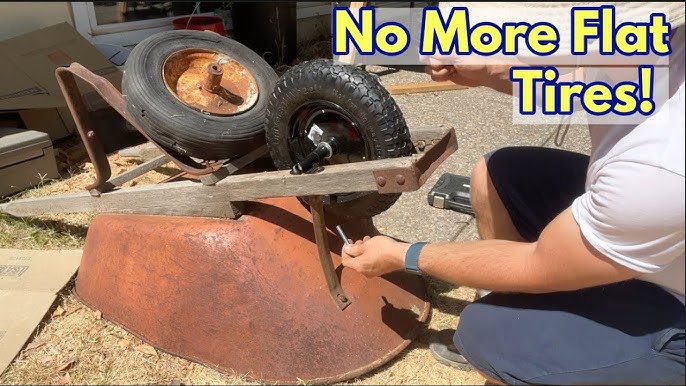
Is your wheelbarrow wheel worn out or flat? Don’t let a broken wheel slow down your work.
Changing a wheelbarrow wheel is easier than you think, and you can do it yourself in just a few simple steps. Imagine getting your wheelbarrow back to smooth rolling without waiting for help or buying a new one. In this guide, you’ll learn exactly how to change your wheelbarrow wheel quickly and safely.
Keep reading, and by the end, you’ll feel confident tackling this fix on your own.
Tools Needed
Changing a wheelbarrow wheel is easy with the right tools. It ensures your wheelbarrow works smoothly.
Gathering the necessary tools before you start will save you time and effort.
Wrench
A wrench is essential for loosening and tightening the nuts on the wheel axle. Make sure it fits properly.
Screwdriver
You may need a screwdriver to remove any screws holding the wheel in place. Check the type of screw head used.
Replacement Wheel
Ensure the replacement wheel matches the size and type of the original. This avoids compatibility issues.
Safety Gloves
Wearing safety gloves protects your hands from cuts and bruises while working on the wheelbarrow.
Lubricant
Lubricant helps in smoothly removing and installing the wheel. It reduces friction on metal parts.
Tools Checklist
- Wrench
- Screwdriver
- Replacement Wheel
- Safety Gloves
- Lubricant

Credit: wheelco.co.nz
Prepare The Wheelbarrow
Changing a wheelbarrow wheel starts with good preparation. This makes the job easier and safer.
Before you remove the old wheel, check your workspace and tools. Get everything ready first.
Clear The Area
Move the wheelbarrow to a flat, open space. This helps you work without bumping into things.
Clear away any dirt or debris around the wheelbarrow. A clean area keeps your tools safe and easy to find.
Gather Tools And Materials
Collect all the tools you need before starting. This saves time and stops you from searching later.
- Wrench or pliers to loosen nuts and bolts
- New wheel or replacement parts
- Gloves to protect your hands
- Rag to clean parts if needed
Secure The Wheelbarrow
Turn the wheelbarrow upside down or place it on its side. This gives easy access to the wheel.
Make sure the wheelbarrow is stable. Use blocks or other supports to keep it from moving while you work.
Inspect The Wheel And Axle
Look closely at the wheel and axle for damage or rust. This helps you understand what to fix or replace.
Check the nuts and bolts. Tighten or remove any that are loose or stuck.
Remove The Old Wheel
Changing a wheelbarrow wheel is easy with the right steps. First, you need to remove the old wheel safely.
Follow these instructions to take off the old wheel without trouble.
Secure The Wheelbarrow
Make sure the wheelbarrow does not move while you work. Place it on a flat surface.
Use blocks or bricks to hold the wheelbarrow steady. This prevents accidents during the process.
Loosen The Fasteners
Find the nuts or bolts that hold the wheel in place. Use the right tool to loosen them.
Turn the fasteners counterclockwise until they are loose enough to remove by hand.
- Wrench or socket set works best
- Check both sides for fasteners
- Keep fasteners safe for reassembly
Detach The Wheel
After loosening the fasteners, gently pull the wheel away from the axle. It should come off easily.
If the wheel sticks, wiggle it carefully to free it without damage.
Choose The Right Replacement Wheel
Picking the right wheel for your wheelbarrow is important. The correct wheel keeps your work smooth and safe.
Before buying, you need to check several things about the wheel. This guide will help you choose the best replacement wheel.
Check The Wheel Size
Measure the diameter and width of your old wheel. The new wheel must fit the same size to work well.
Consider The Tire Type
Wheelbarrow tires come in three main types. Each type works best for different ground and loads.
- Pneumatic:Filled with air, these tires give a smooth ride on rough ground.
- Semi-pneumatic:Filled with foam or solid material, they do not go flat easily.
- Solid:Made of rubber or plastic, these tires need no air and are very durable.
Match The Axle Size
The axle is the rod the wheel turns on. Check its diameter and length to find a wheel that fits perfectly.
Look At The Load Capacity
Each wheel can carry a certain weight. Choose one that supports the weight you usually carry in your wheelbarrow.
| Wheel Type | Best Use | Load Capacity (lbs) |
|---|---|---|
| Pneumatic | Uneven or soft ground | Up to 250 |
| Semi-pneumatic | Rough terrain, no flats | Up to 300 |
| Solid | Hard surfaces, heavy loads | Up to 400 |
Install The New Wheel
Installing a new wheel on your wheelbarrow is simple. Follow clear steps to make sure the wheel fits well and works smoothly.
This guide covers how to align, attach, and secure the wheel properly for safe use.
Align The Wheel
Place the wheel in the correct position between the wheelbarrow’s forks. Make sure the hole in the wheel hub lines up with the axle hole on the frame.
- Hold the wheel steady
- Check the alignment from both sides
- Adjust until the wheel sits straight
Attach The Wheel
Slide the axle through the wheel hub and the frame. Make sure the axle fits all the way through and the wheel spins freely on it.
Use the following parts to attach the wheel:
| Part | Purpose |
|---|---|
| Axle | Holds the wheel in place |
| Washers | Prevent friction and wear |
| Retaining Clips | Secure the axle ends |
Tighten The Fasteners
Once the wheel is attached, fasten all nuts, bolts, or clips securely. Tight fasteners keep the wheel from wobbling or coming loose.
- Place washers on both sides of the axle
- Attach retaining clips or nuts tightly
- Check wheel spin and adjust if needed

Credit: m.youtube.com
Test The Wheelbarrow
After changing a wheelbarrow wheel, testing it ensures safety and smooth use. You want to check the wheel spins well and supports weight.
Testing helps find any problems early. Fixing issues before heavy use saves time and effort.
Check Wheel Rotation
Spin the wheel by hand to see if it moves freely. It should turn smoothly without wobbling or noise.
Inspect Tire Pressure
If your wheelbarrow has a pneumatic tire, check its pressure. A soft tire can make moving difficult and damage the wheel.
- Use a tire pressure gauge for accuracy.
- Inflate the tire to the recommended pressure on the sidewall.
- Do not overinflate to avoid burst risk.
Test Load Support
Load the wheelbarrow with a small weight similar to your usual use. Push it forward and backward to check stability and wheel handling.
| Test Aspect | What to Check | Result |
| Wheel Spin | Spins freely without noise | Pass/Fail |
| Tire Pressure | At recommended level | Pass/Fail |
| Load Handling | Stable and easy to push | Pass/Fail |
Maintenance Tips
Changing a wheelbarrow wheel keeps your tool working well. Regular checks help avoid sudden problems.
Proper care of the wheel makes your work easier and safer. Follow simple tips to maintain the wheelbarrow wheel.
Inspect The Wheel Regularly
Look at the wheel for cracks or wear before using the wheelbarrow. Check the tire pressure if it is inflatable.
- Look for cuts, cracks, or dry rot on the tire
- Check if the tire is soft or flat
- Examine the wheel hub for rust or damage
Lubricate The Wheel Bearings
Apply grease or oil to the wheel bearings to keep them moving smoothly. This stops squeaks and wear.
Use a grease gun or a small brush to apply lubricant. Do this every few months or after heavy use.
Tighten Loose Bolts And Nuts
Loose parts can make the wheel unstable or cause damage. Check bolts and nuts around the wheel often.
Use the right wrench to tighten any loose parts. Avoid over-tightening to prevent stripping the threads.
Clean The Wheel After Use
Remove dirt, mud, and debris from the wheel after working. This helps stop rust and keeps the wheel rolling well.
- Use water and a brush to clean the wheel
- Dry the wheel fully to prevent rust
- Store the wheelbarrow in a dry place
Replace The Wheel When Needed
Replace the wheel if it is badly damaged or worn out. A good wheel makes your work safer and easier.
Choose the correct wheel size and type for your wheelbarrow. Follow the steps to install the new wheel carefully.

Credit: wheelco.co.nz
Frequently Asked Questions
How Do I Remove A Wheelbarrow Wheel Easily?
To remove a wheelbarrow wheel, first secure the barrow. Loosen the axle nuts with a wrench. Slide off the wheel carefully. Keep the hardware safe for reassembly.
What Tools Are Needed To Change A Wheelbarrow Wheel?
You need a wrench or socket set, pliers, and possibly a screwdriver. These tools help loosen nuts and bolts quickly and safely.
How Can I Tell If My Wheelbarrow Wheel Needs Replacement?
Check for cracks, flat spots, or worn tread on the tire. If the wheel wobbles or the axle is damaged, replacement is necessary.
Can I Use Any Wheel As A Replacement For My Wheelbarrow?
It’s best to use the same size and type of wheel. This ensures proper fit and maintains the wheelbarrow’s stability and performance.
Conclusion
Changing a wheelbarrow wheel is simple and saves time. You just need a few tools and some patience. Follow the steps carefully to avoid mistakes. A good wheel helps your work feel easier and smoother. Keep the wheel clean and check it often.
Doing this keeps your wheelbarrow ready for any job. Now, you can fix a flat or broken wheel yourself. No need to wait or pay extra. Try it next time your wheel needs a change. You’ll feel proud and ready to work again.