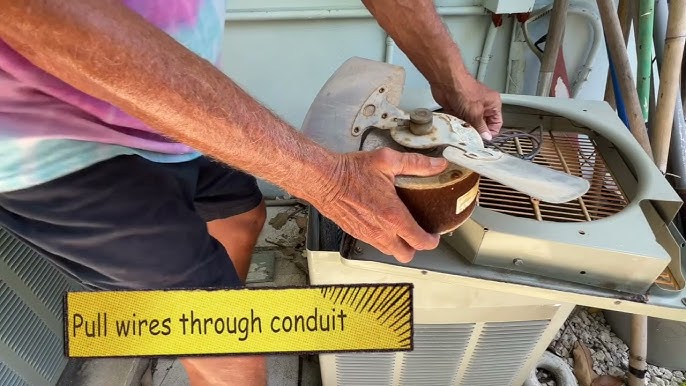
Is your air conditioner making strange noises or not cooling properly? The problem might be your fan motor.
Knowing how to change the fan motor in your air conditioner can save you money and keep your home comfortable. In this guide, you’ll learn simple, step-by-step instructions that anyone can follow. By the end, you’ll feel confident fixing your AC yourself—no expensive repair bills needed.
Ready to get started? Let’s dive in.

Credit: www.reddit.com
Tools And Materials Needed
Changing the fan motor in an air conditioner requires some basic tools and materials. Gathering them before starting makes the job easier and safer.
Use the right tools to avoid damage to the unit or injury. Here is a list of what you need to prepare.
Essential Tools
- Screwdrivers (both flathead and Phillips)
- Wrench set or adjustable wrench
- Multimeter for electrical testing
- Pliers for gripping and cutting wires
- Nut driver set
- Wire stripper and cutter
- Flashlight or headlamp for better visibility
Materials Needed
You will need replacement parts and supplies to complete the motor change properly. Check the air conditioner model for the correct motor type.
| Material | Purpose |
| Replacement fan motor | New motor to replace the faulty one |
| Electrical tape | Insulate and secure wire connections |
| Contact cleaner spray | Clean electrical contacts before installation |
| Zip ties | Organize wires and secure loose parts |
| Safety gloves | Protect hands from sharp edges and electric shock |
Safety Equipment
Safety gear is important for personal protection during the repair.
- Insulated gloves to prevent electric shocks
- Safety goggles to protect eyes from dust and debris
- Dust mask if working in a dusty or dirty area
Safety Precautions
Changing the fan motor in an air conditioner requires care and attention. Safety is the top priority to prevent accidents and damage.
Before starting, understand the risks and prepare properly. Follow these safety tips to work safely and effectively.
Turn Off Power Supply
Always switch off the air conditioner and disconnect it from the power source. This stops electrical shocks and short circuits.
Use Proper Tools And Equipment
Use the right tools for the job. Avoid makeshift tools that can slip or break. Wear gloves to protect your hands from sharp parts.
Handle The Fan Motor Carefully
The fan motor is delicate and heavy. Hold it firmly and avoid dropping it. Keep it away from water or damp areas to prevent damage.
Work In A Clean And Well-lit Area
- Clear the workspace of clutter and obstacles
- Ensure good lighting to see small parts clearly
- Keep all screws and parts organized in a container
Follow Manufacturer Instructions
Read the air conditioner’s manual before starting. Follow the steps for removing and installing the fan motor exactly. This reduces mistakes and keeps the unit safe.
| Instruction | Reason |
|---|---|
| Disconnect power before opening unit | Prevents electric shock |
| Use specified replacement motor | Ensures compatibility and safety |
| Tighten screws firmly but not overly | Avoids damage and loose parts |
Locating The Fan Motor
The fan motor is an important part of your air conditioner. It helps move air through the system. Finding the fan motor is the first step to changing it.
This guide will help you locate the fan motor safely and clearly. Knowing where to look saves time and avoids damage.
Check The Outdoor Unit
The fan motor is often in the outdoor unit of your air conditioner. This unit usually sits outside your home. It contains the fan and the compressor.
Look for the large fan at the top or side of this unit. The motor is connected to this fan, inside the housing.
Open The Unit’s Outer Cover
Remove the screws or clips holding the cover. Be careful and turn off the power first. This prevents electric shock.
- Use a screwdriver to remove screws
- Keep screws safe for reassembly
- Lift the cover gently to avoid damage
Identify The Fan Motor Inside
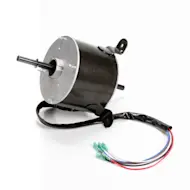
The fan motor is a cylindrical part connected to the fan blades. It is usually mounted near the center of the fan.
- Metal body, often cylindrical
- Connected to fan blades with screws
- Has electrical wires attached
- May have a label with model details

Credit: www.achrnews.com
Removing The Old Fan Motor
Removing the old fan motor in your air conditioner is a careful task. You must follow safety steps and handle parts gently. This guide helps you remove the motor safely.
Focus on three main actions: disconnecting power, removing fan blades, and unfastening the motor itself. Each step is important for a smooth process.
Disconnecting Power Supply
Always cut off power before starting work. This stops electric shock risks. Find the main switch or circuit breaker and turn it off. Use a tester to check if power is off.
- Locate the air conditioner’s power source
- Switch off the circuit breaker or unplug the unit
- Use a voltage tester on the fan motor wires
- Confirm no electricity flows to the motor
Detaching Fan Blades
Remove the fan blades carefully to avoid damage. The blades connect to the motor shaft by screws or clips. Loosen these parts before pulling the blades off.
| Tool Needed | Action |
|---|---|
| Screwdriver | Unscrew the blade screws |
| Wrench | Hold the motor shaft steady |
| Gloves | Protect your hands from sharp edges |
Unfastening The Motor
After removing blades, unfasten the motor from its mount. Motors usually fix with bolts or screws. Keep track of all hardware for reassembly. Support the motor while loosening bolts.
Use this checklist while unfastening:
- Identify the motor mounting points
- Use the correct size wrench or socket
- Hold the motor steady to prevent falling
- Place bolts and screws in a safe container
- Remove the motor gently from its housing
Installing The New Fan Motor
Installing a new fan motor in your air conditioner helps keep it running well. This process needs care to avoid damage. Follow simple steps to fit the motor correctly.
Start by making sure the power is off and the unit is clean. This keeps you safe and the parts ready for installation.
Positioning The Motor
Place the new fan motor where the old one was removed. It should fit snugly in the motor mount or bracket. Make sure the shaft lines up with the fan blades’ center.
Check that the motor wires are free and not pinched. Correct positioning stops the motor from wobbling during use.
Securing The Motor
Use screws or bolts to fix the motor tightly in place. Loose motors can cause noise and damage parts. Tighten all fasteners evenly to avoid misalignment.
Double-check the motor does not move after securing it. This step ensures a safe and smooth operation.
Reattaching Fan Blades
Place the fan blades back onto the motor shaft carefully. Align the blades so they spin without hitting other parts. Tighten the blade screws firmly but do not over-tighten.
- Check blade balance to reduce noise
- Make sure blades spin freely
- Secure blade screws properly
Credit: www.searspartsdirect.com
Wiring And Connections
Changing the fan motor in an air conditioner requires careful attention to wiring and connections. Proper wiring ensures the motor runs safely and efficiently.
Incorrect connections can cause the motor to fail or damage the unit. Always double-check the wiring before powering on the air conditioner.
Identify The Wiring Diagram
Start by locating the wiring diagram on the air conditioner or in the manual. This diagram shows how each wire connects to the motor and control board.
Use the diagram to match wire colors and terminal positions. This helps avoid mixing up wires during installation.
Disconnect Power Supply
Always turn off the main power before touching any wires. This step protects you from electric shocks and prevents short circuits.
Remove Old Motor Connections
Carefully disconnect the wires from the old fan motor. Note which wire goes to each terminal or take a photo for reference.
Connect New Fan Motor
Match each wire to the correct terminal on the new motor using the wiring diagram. Secure the connections tightly to avoid loose contacts.
- Connect the power wires (usually black and white)
- Attach the ground wire (green or bare copper)
- Connect any speed control wires as shown in the diagram
- Use wire nuts or terminal screws for secure connections
Test The Connections
Use a multimeter to check continuity and correct voltage at the motor terminals. This step ensures all wires are connected properly.
| Test Point | Expected Reading |
|---|---|
| Power Wire to Ground | No continuity |
| Across Power Wires | AC Voltage (as per motor specs) |
| Motor Windings | Continuity present |
Testing The New Motor
After installing the new fan motor in your air conditioner, testing it is important. This ensures the motor works correctly and safely.
Testing the motor helps find any problems before you finish the job. It saves time and prevents damage.
Visual Inspection
Start by checking all connections and wires. Make sure everything is tight and secure.
Look for any signs of damage or loose parts. Fix these issues before turning on the motor.
- Check wire connections
- Look for damage or cracks
- Ensure screws and bolts are tight
Power On And Listen
Turn on the air conditioner and listen to the motor. It should start smoothly without noise.
If you hear grinding or rattling, switch off the unit immediately. This could mean a problem with the motor or fan.
- Motor starts without delay
- No unusual noises
- Fan blades spin evenly
Check Motor Speed
Use a tachometer to check the motor speed. It should match the speed rating on the motor label.
If the speed is too low or too high, the motor may not work well or could get damaged.
- Match speed to motor label
- Use a tachometer tool
- Adjust settings if needed
Test Electrical Current
Measure the motor’s current with a multimeter. It should be within the range listed in the motor manual.
Too much current means the motor is overloaded. Too little means it might not run well.
- Set multimeter to measure current
- Compare reading to manual specs
- Check for overload or underload
Observe Temperature
Let the motor run for 10-15 minutes. Then carefully check if it is too hot to touch.
A slightly warm motor is normal. Too hot means there may be a problem with wiring or load.
- Run motor for 10-15 minutes
- Touch motor casing carefully
- Look for overheating signs
Common Issues And Troubleshooting
Air conditioners can stop cooling properly due to fan motor problems. Knowing common issues helps you fix the motor safely.
This guide covers common fan motor problems and how to troubleshoot them before replacing the motor.
Fan Motor Not Running
If the fan motor does not run, check if it gets power. A tripped breaker or blown fuse can stop the motor.
Also, inspect the wiring for loose or damaged connections. Sometimes the motor capacitor fails and needs replacement.
- Check circuit breaker and fuses
- Inspect wiring connections
- Test and replace the capacitor if faulty
Fan Motor Runs But No Airflow
The motor may run, but the fan blades do not spin. This problem happens if the fan blade is loose or broken.
Check the fan blade for damage or if it is firmly attached to the motor shaft. Tighten or replace the blade if needed.
- Inspect fan blade for damage
- Tighten fan blade on motor shaft
- Replace fan blade if broken
Fan Motor Overheating
Overheating can cause the fan motor to stop working. Dust and dirt buildup can block airflow and cause heat.
Clean the fan motor and surrounding parts. Ensure proper ventilation and check if the motor bearings need lubrication.
- Clean dust and dirt from motor
- Check motor ventilation paths
- Lubricate motor bearings if dry
Noisy Fan Motor
A noisy motor can signal worn bearings or loose parts. The noise often sounds like grinding or rattling.
Inspect the motor and fan for loose screws or worn bearings. Tighten screws or replace bearings if needed.
- Check for loose screws and tighten them
- Listen for grinding noise from bearings
- Replace motor bearings if worn out
Frequently Asked Questions
How Do I Know If My Ac Fan Motor Needs Replacement?
Check for unusual noises, poor airflow, or the fan not spinning. These signs often indicate a failing fan motor needing replacement.
What Tools Are Needed To Change An Ac Fan Motor?
You need a screwdriver, multimeter, socket set, and possibly pliers. These tools help safely remove and install the fan motor.
How Long Does It Take To Replace An Ac Fan Motor?
Replacing a fan motor usually takes 1 to 2 hours, depending on your experience and the AC model.
Can I Replace The Ac Fan Motor Myself Safely?
Yes, if you follow safety precautions like turning off power and using the right tools. Otherwise, hire a professional.
Conclusion
Changing a fan motor in an air conditioner can seem daunting. But with patience and the right tools, it’s doable. First, turn off the power. Safety is key. Next, remove the unit’s cover carefully. Locate the fan motor. Disconnect the wires.
Remember their positions. Remove the old motor. Install the new one. Reconnect the wires. Ensure they are tight. Replace the cover securely. Test the air conditioner. It should work smoothly. Always consult your manual for specifics. This guide helps you through each step.
Experience will make it easier next time. Stay cool and enjoy your well-working air conditioner!