Changing the fishing line on your reel might seem tricky at first, but it’s a skill every angler needs to master. Whether your line is old, tangled, or just not right for your next trip, knowing how to replace it quickly can save you time and frustration.
In this guide, you’ll discover simple steps to get your reel ready for action. By the end, you’ll feel confident handling your gear like a pro, so you can focus on what really matters—catching fish. Ready to make your fishing experience smoother?
Let’s dive in!

Credit: www.reddit.com
Choosing The Right Fishing Line
Choosing the right fishing line is important for a good fishing experience. The line affects how you cast, feel bites, and catch fish.
Different fishing lines work better for different types of fishing. Picking the right one helps you catch more fish and avoid problems.
Types Of Fishing Lines
There are three main types of fishing lines: monofilament, fluorocarbon, and braided. Each type has its own uses and features.
- Monofilament:Flexible and easy to handle. Good for beginners.
- Fluorocarbon:Nearly invisible underwater. Great for clear water.
- Braided:Very strong and thin. Ideal for heavy cover or big fish.
Line Strength And Thickness
Line strength is measured in pounds and shows how much weight the line can hold. Thickness affects casting and line visibility.
Stronger lines are thicker, but thinner lines cast farther and are less visible. Pick a balance that fits your fishing style.
| Line Strength (Pounds) | Common Use | Thickness |
|---|---|---|
| 2-6 | Small fish, light tackle | Thin |
| 8-14 | Medium fish, general use | Medium |
| 15-30+ | Big fish, heavy cover | Thick |
Matching Line To Reel And Fish
Match your fishing line to your reel size. Use lighter lines for small reels and heavier lines for bigger reels.
Also match the line to the fish species. Small fish need lighter lines. Bigger fish need stronger lines to avoid breaks.
- Small reels + light line = easy casting and control
- Large reels + strong line = handle big fish well
- Use line strength based on fish size and fight power
Credit: monsterbass.com
Preparing Your Reel
Changing the fishing line on a reel is essential for good fishing. You need to prepare your reel properly before you add new line.
This guide will help you remove the old line, clean the reel, and inspect it for damage.
Removing Old Line
Old line can tangle and break easily. Removing it is the first step. Ensure you dispose of it responsibly to protect wildlife.
Cleaning The Reel
Dirt and salt can damage your reel. Cleaning it helps maintain performance and longevity.
- Disassemble the reel carefully.
- Wipe all parts with a damp cloth.
- Use a small brush for hard-to-reach areas.
- Dry each part completely before reassembly.
Inspecting For Damage
Checking for wear and damage is crucial. This ensures that your reel is in good condition for your next fishing trip.
| Part | Check For |
| Handle | Looseness or cracks |
| Line Guide | Wear or misalignment |
| Spool | Dents or corrosion |
Attaching New Line
Changing the fishing line on your reel starts with attaching the new line correctly. This step is important to avoid slipping or tangling during fishing.
Follow these tips to secure the line well and keep your fishing smooth and easy.
Securing The Line To The Spool
First, thread the new line through the reel’s guides and onto the spool. Leave a few inches of line free for tying a knot.
Wrap the line around the spool once or twice. This gives a base for the knot to hold firmly.
Proper Knot Techniques
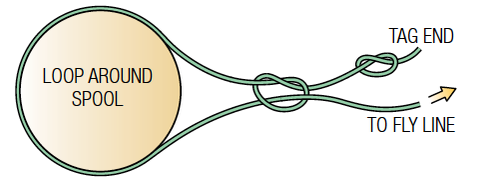
Use a strong knot to attach the line to the spool. The Arbor knot is a common choice for this task.
- Pass the line around the spool
- Tie an overhand knot around the standing line
- Tie a second overhand knot on the tag end
- Pull both knots tight against the spool
This knot holds the line tight and prevents slipping during casting or reeling.
Ensuring Tight Attachment
After tying the knot, pull the line hard to check it is tight. A loose knot can cause line slipping or tangles.
Trim any extra tag end close to the knot to avoid snags. Keep the line tight as you wind it onto the spool.
Winding The Line
Winding the fishing line on your reel is an important step in setting up your gear. Doing it right helps you cast better and avoid problems on the water.
Focus on keeping the line tight and smooth. This prevents tangles and makes fishing more enjoyable.
Maintaining Line Tension
Keeping steady tension on the line while winding prevents loose coils. Loose coils can cause knots and reduce casting distance.
- Hold the line between your thumb and forefinger as you wind.
- Keep slight pressure to avoid slack.
- Use your fingers or a soft cloth to grip the line gently.
- Make sure the spool spins smoothly while you wind.
Avoiding Twists And Loops
Line twists and loops create problems like tangles and line breaks. They often happen if the line is not wound carefully.
Follow these tips to avoid twists and loops:
- Untangle the line before winding.
- Let the line pass through your fingers to keep it straight.
- Wind the line evenly across the spool.
- Check the reel’s direction matches the line spool.
Filling The Spool Correctly
Filling the spool to the right level is key to good casting. Too little line limits your casts. Too much line causes tangles.
| Spool Size | Line Capacity | Recommended Fill Level |
| Small (1000-2500) | 2-6 lb test, 100-150 yards | Fill to 1/8 inch from spool edge |
| Medium (3000-4000) | 6-12 lb test, 150-250 yards | Fill to 1/8 inch from spool edge |
| Large (5000+) | 12-20 lb test, 250-400 yards | Fill to 1/8 inch from spool edge |
Finishing Touches
After changing the fishing line on your reel, it is important to complete a few final steps. These finishing touches help ensure your fishing setup works well on the water.
This section covers trimming excess line, checking the line’s smoothness, and testing casting distance.
Trimming Excess Line
Cut off the extra fishing line close to the spool. Leaving too much line can cause tangles or snags during casting.
- Use sharp scissors or line cutters.
- Leave about 1/8 inch of line beyond the knot.
- Make a clean, straight cut to avoid fraying.
- Check if the line is secured tightly on the spool.
Checking Line Smoothness
Run your fingers along the line to feel for rough spots or twists. Smooth line improves casting and reduces the risk of breaks.
| Check Point | What to Look For | Action Needed |
| Line surface | Is it smooth without bumps? | Re-spool if rough |
| Line tension | Is it tight and even? | Tighten spool if loose |
| Knots | Are they secure and neat? | Retie if loose |
Testing Casting Distance
Test your line by casting in an open area. This helps check if the line flows well and if the reel works properly.
Try these tips for testing:
- Choose a clear area with no obstacles.
- Cast the line slowly at first to feel the resistance.
- Increase casting speed and distance gradually.
- Listen for any unusual sounds from the reel.
- Check if the line moves smoothly off the spool.

Credit: sportfishinghub.medium.com
Tips For Longer Line Life
Changing the fishing line on your reel is important. Proper care helps the line last longer. This saves money and improves fishing.
Follow simple steps to keep your line strong and ready. Use these tips to get the best from your fishing line.
Proper Storage
Store your fishing line in a cool, dry place. Avoid direct sunlight to stop the line from weakening. Keep the line spool covered to prevent dust and dirt.
- Keep line away from heat and sunlight
- Use a sealed container or bag
- Store spools in a dry area
Regular Maintenance
Check your fishing line before every trip. Look for nicks, frays, or weak spots. Clean the line gently with fresh water after use, especially in saltwater.
- Inspect line for damage regularly
- Rinse line with fresh water after fishing
- Dry line completely before storage
Replacing Line When Needed
Replace your fishing line when it shows wear or after long use. Old line breaks easier and can lose strength. Changing the line often keeps your fishing smooth.
- Change line if it looks worn or faded
- Replace line after heavy use or big catches
- Use the right line weight for your reel and fishing type
Frequently Asked Questions
How Do I Remove Old Fishing Line From A Reel?
To remove old fishing line, first loosen the drag. Then, unwind the line by hand or use scissors to cut it. Dispose of the old line properly to avoid tangles and maintain reel performance.
What Type Of Fishing Line Suits My Reel?
Choose fishing line based on reel type, fish species, and water conditions. Monofilament is versatile, fluorocarbon is nearly invisible, and braided line offers high strength with low stretch.
How Do I Prevent Line Twists When Re-spooling?
To prevent twists, ensure the spool rotates in the same direction as the reel. Use a line conditioner and avoid overfilling the spool to maintain smooth casting and reduce tangles.
How Often Should I Change My Fishing Line?
Change fishing line every 3-6 months or after catching large fish. Frequent replacement avoids line weakening, improves casting, and prevents unexpected breaks during fishing trips.
Conclusion
Changing the fishing line on your reel is simple and important. A fresh line helps you catch more fish. Follow the steps carefully and take your time. Use the right tools for best results. Check the line for damage before you start.
Keep your reel clean and dry after changing the line. Practice often to get faster and better. Enjoy your fishing trips with confidence and ease. Your gear will work well and last longer. Now, you are ready to fish again!