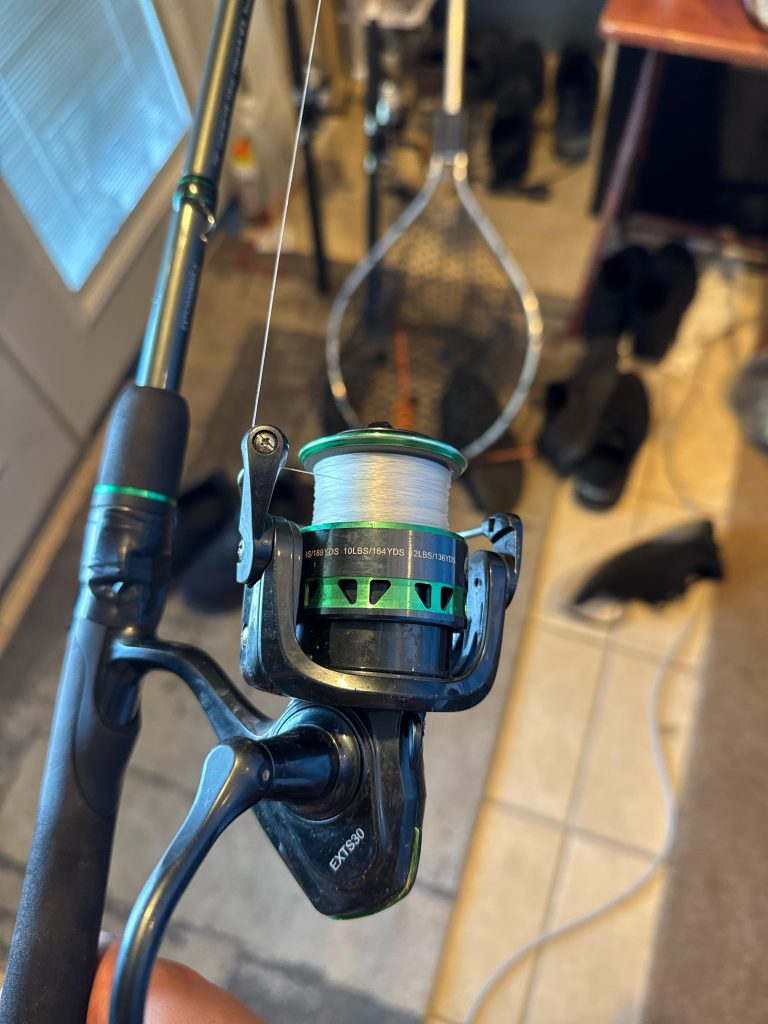
Are you tired of your fishing line snapping at the worst moments? Changing your fishing line might seem tricky, but it’s easier than you think.
Knowing how to do it right can save you from lost catches and frustration. You’ll learn simple, step-by-step tips to change your fishing line quickly and confidently. Keep reading, and you’ll be ready for your next fishing trip with a strong, fresh line that won’t let you down.
Choosing The Right Line
Picking the right fishing line helps you catch more fish. It also protects your gear and makes fishing easier.
There are many types and sizes of fishing lines. Knowing about them will help you choose the best one.
Types Of Fishing Line
Fishing lines come in different materials. Each type has its own uses and benefits.
- Monofilament: Flexible and easy to handle. Good for beginners.
- Fluorocarbon: Hard to see underwater. Good for clear water fishing.
- Braid: Very strong and thin. Best for heavy cover and long casts.
Line Strength And Thickness
Strength means how much weight the line can hold before breaking. Thickness affects casting and fish bites.
Stronger lines are thicker but harder to cast. Thinner lines cast well but may break easily.
- Light lines (2-6 lb): Good for small fish and clear water.
- Medium lines (8-15 lb): Best for general fishing.
- Heavy lines (20+ lb): Used for big fish and rough conditions.
Matching Line To Reel And Rod
Your reel and rod have limits on line size and strength. Using the right line keeps your gear safe.
Check the rod and reel labels for recommended line weight. Match your line within that range for best performance.
- Light rods need light lines for sensitivity.
- Medium rods work well with medium lines for versatility.
- Heavy rods require heavy lines for strength and control.

Credit: kordatackle.com
Gathering Necessary Tools
Changing your fishing line is an important skill for every angler. Having the right tools ready makes the process easy and quick.
Before you start, gather all the necessary equipment. This helps avoid interruptions while you work on your reel.
Essential Equipment
You need a few basic tools to change your fishing line properly. These tools help you remove old line and attach new line safely.
- Fishing Line:Choose the right type and strength for your fishing.
- Scissors or Line Cutter:Use sharp scissors to cut the old line cleanly.
- New Reel Spool:If you use a spare spool, have it ready with new line.
- Rod and Reel:Your fishing rod and reel are needed to wind the new line.
- Thread or Arbor Knot Tool:Helps tie secure knots on the reel spool.
These tools cover the basic needs for most fishing line changes. Keep them organized and close by.
Optional Accessories
Some accessories can make changing your fishing line easier or faster. These are useful but not required.
- Line Spooling Station:Holds your reel steady while spooling new line.
- Rubber Gloves:Give better grip and protect your hands.
- Line Conditioner:Helps reduce line twist and tangles.
- Tension Meter:Ensures proper line tension during spooling.
- Small Screwdriver Set:For reel maintenance or adjustments.
Using these accessories can improve your experience. Choose them based on your needs and fishing style.
Removing Old Line
Changing your fishing line starts with removing the old one. This process keeps your reel working smoothly. It also helps avoid tangles and breakage.
We will cover two main steps: loosening the drag and unspooling the line. Follow these to take off the old line safely.
Loosening The Drag
First, loosen the drag on your reel. The drag controls how tightly the line is held. If it is tight, the line will be hard to remove.
- Locate the drag adjustment knob on your reel.
- Turn the knob counterclockwise to loosen the drag.
- Keep turning until the drag feels loose and the spool can turn easily.
- Test by pulling the line gently; it should come off without resistance.
Unspooling The Line
After loosening the drag, you can unspool the old line. This step removes the line from the reel spool.
| Action | Details |
|---|---|
| Secure the rod | Hold the fishing rod firmly or place it in a rod holder. |
| Pull the line | Gently pull the line from the reel spool by hand. |
| Remove knots | Cut or untie any knots to free the line. |
| Wind the line | Wind the removed line into a coil for disposal or reuse. |
Preparing The Reel
Before changing the fishing line, prepare the reel carefully. Proper preparation helps the line last longer and perform well.
Start by making sure your reel is clean and free from dirt. Check all parts for any damage that could affect fishing.
Cleaning The Spool
Remove the spool from the reel to clean it properly. Dirt and old line residue can build up and cause problems.
- Wipe the spool with a soft cloth to remove dust and grime.
- Use a small brush to clean hard-to-reach areas.
- Check for sticky spots caused by old line or grease.
- Dry the spool completely before adding new line.
Checking For Damage
Inspect the reel carefully for any signs of damage. This will help avoid problems while fishing.
| Part | What to Check | Action Needed |
| Spool | Cracks or dents | Replace if damaged |
| Bail arm | Proper movement and tension | Adjust or repair if loose |
| Drag system | Smooth operation | Clean or service if sticky |
| Handle | Firm attachment and smooth turn | Tighten or fix if loose |
Attaching New Line
Changing your fishing line is important for a good fishing experience. Attaching the new line correctly helps it stay on the spool.
Follow simple steps to tie the line to the spool and secure the knot tightly.
Tying The Line To The Spool
Start by threading the new fishing line through the reel’s spool. Leave a few inches of line to work with.
Make a loop with the line around the spool. This loop will help you tie a strong knot.
- Pass the tag end of the line under the main line.
- Wrap the tag end around the spool.
- Bring the tag end back through the loop you made.
Securing The Knot
Pull both ends of the line to tighten the knot against the spool. Make sure it is firm and neat.
Trim any extra tag end close to the knot. This prevents the line from slipping off during use.
- Check the knot by pulling gently.
- Trim excess line with scissors.
- Start winding the line evenly on the spool.

Credit: nightgalaxy.com
Spooling The Line
Spooling the fishing line onto your reel is an important step. It helps avoid tangles and ensures smooth casting.
Taking care during spooling saves time and improves your fishing experience on the water.
Maintaining Tension
Keep steady tension on the line while spooling. This prevents loose coils that cause knots later.
- Use one hand to hold the line spool firmly.
- Pull the line tight with your fingers as you wind.
- Ask a friend to help by holding the spool if needed.
- Keep the line tight but not too tight to avoid stretching.
Filling The Spool Properly
Fill the spool evenly without overfilling. Too much line can cause tangles or reduce casting distance.
| Spool Size | Recommended Line Capacity |
| Small | 100-150 yards |
| Medium | 150-250 yards |
| Large | 250-300 yards |
Stop filling about 1/8 inch from the spool edge. This space helps the line lay properly during use.
Final Adjustments
After attaching a new fishing line, small tweaks ensure better performance. Final adjustments help avoid problems while fishing.
Focus on trimming excess line and setting the drag properly. These actions improve casting and fish handling.
Trimming Excess Line
Cut off any extra fishing line near the knot. Excess line can cause tangles or reduce casting distance.
- Use sharp scissors or line cutters.
- Leave about 1/8 inch of line beyond the knot.
- Check for frayed ends and trim if needed.
- Keep the cut clean to prevent unraveling.
Setting The Drag
The drag system controls how much resistance a fish feels when pulling the line. Set it to avoid line breakage or losing fish.
| Drag Setting | Use When | Effect |
| Light Drag | Small fish or light line | Line pulls out easily to avoid snaps |
| Medium Drag | Most fishing situations | Balanced resistance for control and safety |
| Heavy Drag | Large fish or heavy line | Strong resistance to tire big fish |
Test drag by pulling the line by hand. Adjust the drag knob until you feel smooth resistance without sticking or slipping.

Credit: www.reddit.com
Tips For Long-lasting Setup
Changing your fishing line properly helps your gear last longer. A good setup saves time and money. It also improves your fishing experience.
Follow these tips to keep your fishing line and reel in top shape. Proper care avoids problems and keeps your line strong.
Storing Your Reel
Store your reel in a dry, cool place after use. Avoid leaving it in direct sunlight or damp areas. Proper storage prevents damage to the line and reel parts.
- Loosen the drag to reduce tension on the line
- Keep the reel in a protective case or cover
- Remove the line if you won’t use the reel for a long time
- Check the line for any cracks or wear before storing
Regular Maintenance
Cleaning and checking your fishing line and reel regularly keeps them working well. Dirt and salt can weaken the line and cause reel problems.
| Task | Frequency | Notes |
| Rinse reel with fresh water | After every use | Use gentle spray, avoid soaking |
| Inspect line for frays or knots | Before each fishing trip | Replace damaged sections |
| Lubricate reel parts | Every 3 months | Use reel oil or grease |
| Check drag system | Monthly | Adjust for smooth operation |
Frequently Asked Questions
How Do You Choose The Right Fishing Line?
Selecting the correct fishing line depends on the type of fishing. Consider factors like water conditions, fish species, and rod type. Monofilament is versatile, fluorocarbon is nearly invisible underwater, and braided lines offer strength. Assess your needs to ensure optimal performance and a successful fishing experience.
When Should You Replace Your Fishing Line?
Replace your fishing line if it’s damaged or has memory. Frequent anglers should replace every few months. Sun exposure and saltwater accelerate wear. Regularly inspect your line for nicks or abrasions. Changing it ensures your line remains strong and effective, reducing the risk of losing fish.
How Do You Remove Old Fishing Line?
To remove old fishing line, cut the knot at the reel. Hold the spool and unravel the line by hand. Use a line winder if available. Discard the old line responsibly. Proper removal prevents tangling and ensures a smooth transition to the new line.
What Tools Are Needed To Change Fishing Line?
You’ll need scissors or a line cutter, and a new spool of fishing line. A line winder or reel is helpful but optional. These tools ensure a clean cut and easy spooling. Having them ready simplifies the process, making line changing efficient and hassle-free.
Conclusion
Changing your fishing line helps keep your gear ready and strong. It takes just a few steps to do it right. Clean line means fewer tangles and better fishing. Don’t rush; take your time to avoid mistakes. Practice makes the process easier each time.
Soon, you will feel confident handling your fishing gear. Enjoy your time on the water with fresh line. Simple care can lead to better catches and fun. Keep your fishing line fresh and fish with ease.