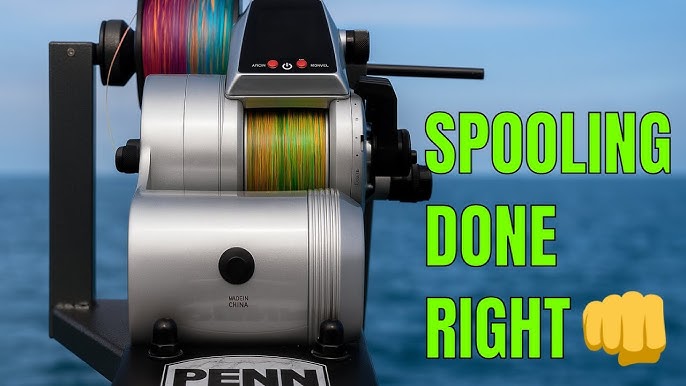
Are you tired of your fishing line snapping at the worst moments? Or maybe your reel’s line is old, tangled, and ready for a fresh start?
Knowing how to change the line on your fishing reel can save you time, money, and frustration on your next fishing trip. In this guide, you’ll learn simple, step-by-step instructions that anyone can follow—whether you’re a beginner or have some experience.
Get ready to boost your fishing game by mastering this essential skill. Keep reading, and by the end, you’ll feel confident swapping out your line like a pro.

Credit: www.youtube.com
Choosing The Right Line
Choosing the right fishing line is key to a good fishing experience. The line affects casting, catching, and reel performance.
Understanding different types of lines and their features helps you pick the best one for your reel and fishing style.
Types Of Fishing Lines
There are three main types of fishing lines: monofilament, fluorocarbon, and braided. Each has strengths and weaknesses.
- Monofilament:Stretchy and easy to handle. Good for beginners.
- Fluorocarbon:Less visible underwater. Ideal for clear water fishing.
- Braided:Very strong and thin. Great for heavy cover fishing.
Line Strength And Diameter
Line strength is measured in pounds and shows how much weight the line can hold. Diameter affects how the line moves and fits on the reel.
| Line Type | Typical Strength (lbs) | Diameter (inches) |
|---|---|---|
| Monofilament | 6 – 20 | 0.012 – 0.035 |
| Fluorocarbon | 8 – 30 | 0.010 – 0.030 |
| Braided | 15 – 50+ | 0.008 – 0.020 |
Matching Line To Reel
Match your line strength to the reel’s capacity and the fish you want to catch. Using the wrong line can cause problems.
- Check your reel’s maximum line rating before buying line.
- Use lighter line for small fish and heavier line for big fish.
- Consider line diameter to fit the reel spool properly.
Preparing Your Reel
Changing the line on a fishing reel starts with good preparation. Taking time to get your reel ready makes the process easier.
Careful steps help keep your reel in good shape and ready for fishing.
Removing Old Line
Remove the old fishing line carefully to avoid damage. Cut the line near the spool and pull it out slowly. This prevents tangles and keeps the spool clean.
Cleaning The Spool
Clean the spool before adding new line. Dirt and salt can build up and cause problems. Use a soft cloth and some warm water to wipe the spool gently.
- Remove any debris from the spool surface
- Dry the spool completely after cleaning
- Check for signs of rust or corrosion
Inspecting The Reel
| Part | What to Check |
|---|---|
| Spool | Look for cracks or dents |
| Bail Arm | Ensure it moves smoothly |
| Handle | Check for tightness and smooth turning |
| Drag System | Test for proper tension |
Fix any issues before you spool new line. This helps your reel work well and last longer.
Spooling New Line
Changing the line on your fishing reel is essential for better fishing. A new line helps in casting and catching fish more effectively.
Make sure to spool the new line correctly to avoid tangles and twists. Follow these steps to ensure a smooth process.
Attaching The Line To The Spool
Start by threading the line through the rod guides. This helps in attaching the line to the reel spool securely.
Tie the line to the spool using an arbor knot. Make sure the knot is tight to prevent slipping.
- Pass the line around the spool
- Tie an overhand knot around the standing line
- Tighten the knot and trim the excess line
Maintaining Tension
Keep the line taut while spooling to prevent loose coils. Loose coils cause tangles during casting.
Ask a friend to hold the line spool with a pencil through the center. This helps in maintaining steady tension.
- Hold the line between thumb and forefinger
- Apply gentle pressure to control tension
- Ensure the line is winding evenly
Filling The Spool Properly
Fill the spool with the correct amount of line. Too much line can cause tangles, while too little affects casting distance.
Stop filling the spool when it’s 1/8 inch from the edge. This is the ideal level for most reels.
| Reel Size | Line Capacity |
| Small | 100-150 yards |
| Medium | 150-200 yards |
| Large | 200-300 yards |

Credit: www.reddit.com
Adjusting Reel Settings
Changing the line on a fishing reel needs some reel setting adjustments. These settings help your fishing line work smoothly.
Adjusting the drag, checking the line guide, and testing line movement are key steps. Each step ensures your reel works well.
Setting The Drag
The drag controls how much resistance the fish feels when pulling the line. Set it right to avoid line breaks.
Turn the drag knob to increase or decrease tension. Test by pulling the line with your hand to feel the resistance.
- Start with a low drag setting
- Increase if the fish pulls hard
- A good drag protects your line
Checking The Line Guide
The line guide keeps the fishing line aligned on the spool. Check it to make sure the line moves smoothly.
Look for dirt or damage on the guide. Clean or replace it if the line rubs or catches when you move it.
- Inspect the guide for cracks or rough spots
- Wipe the guide with a soft cloth
- Replace if the line snags often
Testing Line Movement
After adjusting, test the line to ensure it moves freely. Smooth movement helps with casting and reeling.
Pull and release the line several times. Watch for any snags or stiff spots. Adjust settings if needed.
- Pull line gently from the reel
- Check for smooth, even movement
- Re-adjust drag or guide if line sticks
Casting Tips For Beginners
Changing the line on a fishing reel is important for good casting. Using the right techniques helps you cast farther and more smoothly.
This guide shares simple tips to improve your casting skills. Follow these steps to enjoy fishing more and avoid common problems.
Proper Casting Technique
Hold your fishing rod firmly but not too tight. Keep your elbow close to your body and point your rod tip behind you.
Smoothly swing the rod forward and release the line at the right time. Practice this motion to get better control and distance.
- Grip rod firmly, not too tight
- Keep elbow close to body
- Swing rod smoothly forward
- Release line when rod points slightly up
- Follow through with your arm after casting
Avoiding Line Twist
Line twist causes tangles and weakens the line. It happens when the line spins too much during casting or reeling.
To prevent twist, use proper knots and let the line out gently. Check your reel regularly for any twists and fix them quickly.
- Use high-quality swivels to reduce twist
- Do not overfill the spool with line
- Open the bail slowly when casting
- Reel in line smoothly and avoid slack
- Check and untwist line after every use
Troubleshooting Common Issues
Sometimes your line may tangle, not cast far, or come off the spool unevenly. These issues need quick fixes to keep fishing fun.
Look for knots, damage, or improper spool filling. Fix these problems by retying knots, replacing old line, and filling the spool correctly.
- Untangle knots before casting
- Replace worn or weak line
- Fill spool evenly, not too full
- Check reel mechanism for smooth operation
- Practice casting to improve accuracy

Credit: www.youtube.com
Frequently Asked Questions
How Do I Remove Old Fishing Line From A Reel?
To remove old line, first loosen the reel drag. Then, unwind the line by hand or with a reel spooler. Dispose of the old line properly to avoid tangles and damage during rewinding.
What Is The Best Way To Spool New Fishing Line?
Attach the new line to the reel spool with an arbor knot. Keep tension on the line and wind slowly to avoid twists. Fill the spool about 1/8 inch from the edge for optimal casting.
How Often Should I Change Fishing Line On My Reel?
Change your fishing line every 3-6 months, or after heavy use. Replace it sooner if you notice fraying, nicks, or loss of strength to maintain performance and prevent breakage.
Can I Use Different Line Types On The Same Reel?
Yes, reels can handle various line types like monofilament, fluorocarbon, or braided line. Choose the line type based on your fishing needs and reel specifications for the best results.
Conclusion
Changing the line on your fishing reel is simple and important. It keeps your gear ready and helps catch more fish. Take your time and follow the steps carefully. Check the line often for wear and replace it when needed.
Practice makes it easier each time you do it. Enjoy your fishing trips with fresh, strong line on your reel. Stay patient and have fun out on the water!