
Changing your motorcycle tires might seem tricky, but it’s something you can definitely do yourself. Knowing how to change your tires not only saves you money but also keeps you safer on the road.
Imagine hitting the road with fresh, reliable tires that you installed yourself—giving you confidence every mile you ride. In this guide, you’ll get clear, simple steps to change your motorcycle tires quickly and correctly. Ready to take control of your ride and learn a skill that every rider should have?
Let’s get started.
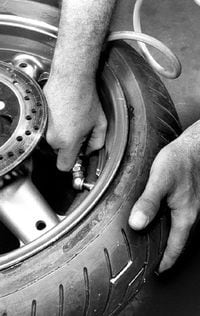
Credit: www.cycleworld.com
Tools Needed
Changing motorcycle tires is a task that requires the right tools. Using proper tools makes the job easier and safer.
This guide covers the essential tools and safety gear you need before starting the tire change.
Essential Tire Changing Tools
Having the right tools helps you remove and replace the tire without damage. Here are the main tools you need:
- Tire irons or levers to pry the tire off the rim
- A valve core remover to deflate the tire
- A bead breaker tool to loosen the tire bead
- A motorcycle stand or lift to hold the bike steady
- A torque wrench to tighten bolts correctly
- Soap and water or tire lubricant for easier bead seating
- An air compressor or pump to inflate the tire
Safety Gear To Wear
Safety gear protects you from injuries during the tire change. Always wear proper protection before starting work.
| Gear | Purpose |
| Gloves | Protect hands from sharp edges and dirt |
| Safety glasses | Shield eyes from debris and tools |
| Closed-toe shoes | Guard feet from heavy tools or bike parts |
| Long sleeves | Prevent scrapes and scratches on arms |
Preparing The Motorcycle
Changing motorcycle tires is essential for safety and performance. Proper preparation ensures the process is smooth and efficient.
Before you begin, gather all necessary tools and find a safe workspace. This helps prevent any mishaps during the tire change.
Securing The Bike
Ensure the motorcycle is stable and won’t tip over. Stability is crucial for a safe tire change.
- Use a sturdy center stand or paddock stand.
- Check that the ground is level and solid.
- Secure the bike with straps if necessary.
Removing The Wheel
Removing the wheel is a critical step in changing tires. Follow these steps carefully to avoid damage.
Ensure all bolts are loosened before lifting the bike off the ground.
Remove the axle nut first, then the axle itself.
| Tool | Purpose |
| Wrench | Loosen bolts |
| Axle Stand | Support the wheel |
| Screwdriver | Remove any clips |
Removing The Old Tire
Changing motorcycle tires starts with removing the old tire safely. This process needs care to avoid damage.
We will cover deflating the tire, breaking the bead, and taking off the tire step by step.
Deflating The Tire
First, remove the valve cap on the tire’s valve stem. Then press the valve core to let the air out slowly. Make sure the tire is completely deflated before moving on.
Breaking The Bead
The bead is the seal between the tire and rim. You must break this seal to remove the tire. Use a bead breaker tool or a strong lever.
- Place the tire on a flat surface.
- Position the bead breaker tool at the tire edge.
- Press down to push the tire bead away from the rim.
- Move around the tire and repeat until the bead is free on both sides.
Taking Off The Tire
Once the bead is loose, you can remove the tire from the rim. Use tire irons or levers carefully to avoid rim damage.
| Tool | Purpose |
|---|---|
| Valve core remover | Remove valve core to deflate tire |
| Bead breaker | Break the seal between tire and rim |
| Tire irons | Lift and pull tire off rim |
Installing The New Tire
Installing a new motorcycle tire needs care and attention. Doing it right ensures safety and good performance.
This guide explains how to install the tire by lubricating the bead, mounting the tire, and seating the bead.
Lubricating The Bead
Lubricate the tire bead to help it slide onto the rim easily. Use a special tire lubricant or soapy water.
Apply the lubricant evenly around both beads. This prevents damage and helps the tire fit better.
- Use a brush or sponge to spread lubricant
- Cover the entire bead area
- Do not use oil or grease
Mounting The Tire
Place one side of the tire onto the rim first. Push the bead over the rim edge carefully.
Then, work the other side of the tire over the rim. Use tire levers if needed but avoid sharp tools.
- Start with the valve stem to align the tire
- Push the bead inside the rim step by step
- Check that the tire does not twist
Seating The Bead
To seat the bead, inflate the tire slowly. The bead will press against the rim and seal the tire.
Listen for popping sounds as the bead seats. Check the tire pressure with a gauge to avoid overinflation.
- Inflate to the recommended pressure
- Watch for even bead seating around the rim
- Stop inflation if the bead does not seat properly
Inflating The Tire
Inflating your motorcycle tire is an important step after changing it. Proper inflation keeps your bike safe and running smoothly.
Using the right tools and checking the tire carefully will help you avoid problems on the road.
Correct Air Pressure
Check the motorcycle manual or the tire sidewall for the correct air pressure. This pressure is measured in PSI (pounds per square inch).
Use a reliable tire pressure gauge to inflate the tire. Too much or too little air can cause poor handling or tire damage.
- Find the recommended PSI for your tire and bike
- Use a tire pressure gauge to check current pressure
- Inflate slowly to reach the correct PSI
- Recheck pressure after inflating
Checking For Leaks
After inflating, check the tire for leaks. Leaks can cause the tire to lose air quickly and create unsafe riding conditions.
Use soapy water to find small leaks. Bubbles will form where air escapes.
- Mix water and soap in a spray bottle
- Spray the tire and valve area
- Look for bubbles forming on the surface
- Fix any leaks before riding

Credit: www.youtube.com
Reinstalling The Wheel
After changing your motorcycle tire, putting the wheel back is important. This step ensures your bike is safe and ready to ride.
Take your time to place the wheel correctly. A well-installed wheel helps your motorcycle run smoothly.
Aligning The Wheel
Start by placing the wheel in the correct position between the forks or swingarm. Make sure the axle fits straight through the wheel hub.
Check that the chain or belt lines up with the sprockets. The wheel should be centered to avoid uneven tire wear or poor handling.
- Slide the axle through wheel and mounts
- Ensure chain or belt is on sprockets
- Center the wheel between forks or swingarm
- Adjust alignment marks if your bike has them
Securing Fasteners
Once the wheel is aligned, tighten the axle nut or bolts. Use a torque wrench to follow the manufacturer’s recommended tightness.
Double-check other fasteners like brake caliper bolts and axle pinch bolts. Secure all parts to keep the wheel stable and safe.
- Tighten axle nut to correct torque
- Secure brake caliper bolts firmly
- Check and tighten axle pinch bolts if present
- Recheck all fasteners after a short ride
Final Safety Checks
After changing motorcycle tires, safety checks are very important. These checks help ensure your bike is safe to ride.
Take your time to inspect and test everything carefully before hitting the road.
Testing Tire Pressure
Check the tire pressure using a reliable gauge. Proper pressure improves handling and tire life.
Refer to your motorcycle manual for the correct pressure numbers. Inflate or deflate tires to match these values.
- Test pressure when tires are cold
- Use a good quality tire pressure gauge
- Adjust pressure to the manufacturer’s recommendation
- Repeat the check after a short ride
Inspecting For Proper Fit
Make sure the tire fits the rim tightly and evenly. A poor fit can cause air leaks or unsafe riding.
Check the tire bead, rim edges, and valve stem. All parts should be secure and free of damage.
- Confirm tire size matches the rim size
- Look for gaps or uneven seating on the rim
- Verify the valve stem is straight and sealed
- Inspect the tire for any visible defects

Credit: www.youtube.com
Tips For Tire Maintenance
Keeping your motorcycle tires in good shape is important for safety. Proper tire care helps you ride smoothly and avoid accidents.
Regular checks and knowing tire signs can extend tire life. It also saves money on repairs and replacements.
Regular Pressure Checks
Check tire pressure every week or before long rides. Correct pressure improves grip and fuel efficiency.
- Use a reliable tire pressure gauge.
- Check pressure when tires are cold.
- Compare with the motorcycle manual’s recommended pressure.
- Adjust pressure by adding or releasing air as needed.
- Inspect for any damage or punctures while checking pressure.
Tire Wear Indicators
Tires have wear indicators to show when they are worn out. These small bars inside the tread help you know when to replace tires.
| Wear Level | Meaning |
| Full tread depth | Tire is safe and has good grip. |
| Wear bars showing | Tire is close to needing replacement. |
| Wear bars flush with tread | Replace tire immediately for safety. |
Frequently Asked Questions
How Often Should I Change Motorcycle Tires?
Motorcycle tires should be changed every 5,000 to 15,000 miles. Check for tread wear, cracks, or damage regularly. Replace tires if tread depth is below 1/32 inch or if the tire shows signs of aging or damage for safety.
What Tools Are Needed To Change Motorcycle Tires?
You need tire irons, a valve core remover, bead breaker, rim protectors, tire lubricant, and an air compressor. These tools help safely remove and install tires without damaging the rim or tire. Proper tools ensure a smooth tire change process.
Can I Change Motorcycle Tires At Home Safely?
Yes, with proper tools and knowledge, you can change tires at home. Follow safety steps carefully, work in a clean area, and use tire lubricant. If unsure, consult a professional to avoid damaging tires or wheels and ensure safety.
How Do I Know If My Motorcycle Tire Needs Replacement?
Check tread depth, visible cracks, bulges, or uneven wear. Tires older than five years may also need replacing regardless of condition. Regular inspections help detect issues early to maintain safety and performance.
Conclusion
Changing motorcycle tires is a useful skill to learn. It saves time and money. Always follow safety steps to avoid accidents. Use the right tools and take your time. Check the tire pressure after installation. Regular tire care helps your bike run smoothly.
Practice often to build confidence and speed. Stay safe and enjoy the ride with fresh tires.