Your car’s seat belt is more than just a safety feature—it’s your first line of defense in an accident. But what happens when it gets worn out or stops working properly?
Knowing how to change your car’s seat belt yourself can save you time, money, and keep you safe on the road. You’ll discover simple, step-by-step instructions that anyone can follow. Ready to take control of your safety? Keep reading, and you’ll learn exactly how to replace your seat belt quickly and confidently.

Credit: www.youtube.com
Tools Needed
Changing a seat belt in your car requires some basic tools. These tools help you remove the old belt and install the new one safely.
Having the right tools makes the job faster and easier. Below are the main tools you will need.
Socket Wrench Set
A socket wrench set lets you remove bolts that hold the seat belt parts. Different bolts may need different socket sizes.
- Choose a set with various sizes
- Use the correct socket to avoid stripping bolts
- Ratchet handle helps turn bolts quickly
Flathead And Phillips Screwdrivers
These screwdrivers help remove screws and covers around the seat belt. Both flathead and Phillips types may be needed.
- Flathead screwdriver removes trim clips and panels
- Phillips screwdriver removes cross-head screws
- Use the right size to avoid damaging screws
Torx Drivers
Some cars use Torx bolts for seat belt mounts. Torx drivers come in star-shaped tips to fit these bolts.
- Check bolt heads before starting
- Use the correct Torx size for each bolt
- Torx drivers reduce slipping and damage
Trim Removal Tool
This plastic tool helps remove interior panels without scratching them. It is safer than metal tools for trim parts.
- Use it to pry off door panels and covers
- Prevents damage to car interior
- Easy to use for tight spaces
Safety Gloves
Wearing gloves protects your hands from sharp edges and dirt. It also improves grip on tools and parts.
- Choose gloves that fit well
- Use gloves with good grip
- Protects from cuts and scrapes

Credit: www.youtube.com
Safety Precautions
Changing a car seat belt is important for safety. You must follow safety rules to avoid injuries.
This guide helps you stay safe while replacing your seat belt. Always take your time and be careful.
Disconnect The Car Battery
Before you start, always disconnect the car battery. This stops accidental airbag activation.
Disconnecting the battery prevents electric shocks and other dangers during the seat belt change.
Wear Protective Gloves And Glasses
Wear gloves to protect your hands from sharp parts and dirt. Use glasses to shield your eyes.
Safety gear reduces the risk of cuts and eye injuries when handling tools and seat belt parts.
Use The Right Tools
Always use the correct tools for the job. Wrong tools can damage parts and cause accidents.
- Screwdrivers that fit screws well
- Socket wrenches for bolts
- Trim removal tools to avoid panel damage
Work In A Well-lit Area
Good lighting helps you see small parts and connections clearly. It lowers the chance of mistakes.
If needed, use a flashlight or work near a window during the day to improve visibility.
Check Seat Belt Condition Before Installing
Inspect the new seat belt for cuts, tears, or broken parts. Do not install a damaged belt.
A damaged seat belt will not protect you in an accident. Always use a belt in perfect condition.
Follow Manufacturer Instructions
Read the car and seat belt maker’s instructions carefully. Each model may have unique steps.
Following the instructions ensures the belt fits correctly and works as it should.
Locate Seat Belt Components
Changing a car seat belt starts with finding all its parts. Knowing where each piece is helps you work safely.
Seat belts have several components inside your car. Each part has a clear role in keeping you safe.
Seat Belt Webbing
The webbing is the fabric strap you pull across your body. It is usually made from strong, woven material.
Retractor Mechanism
This part holds the seat belt webbing and rolls it up when not in use. Look for a small box near the car frame.
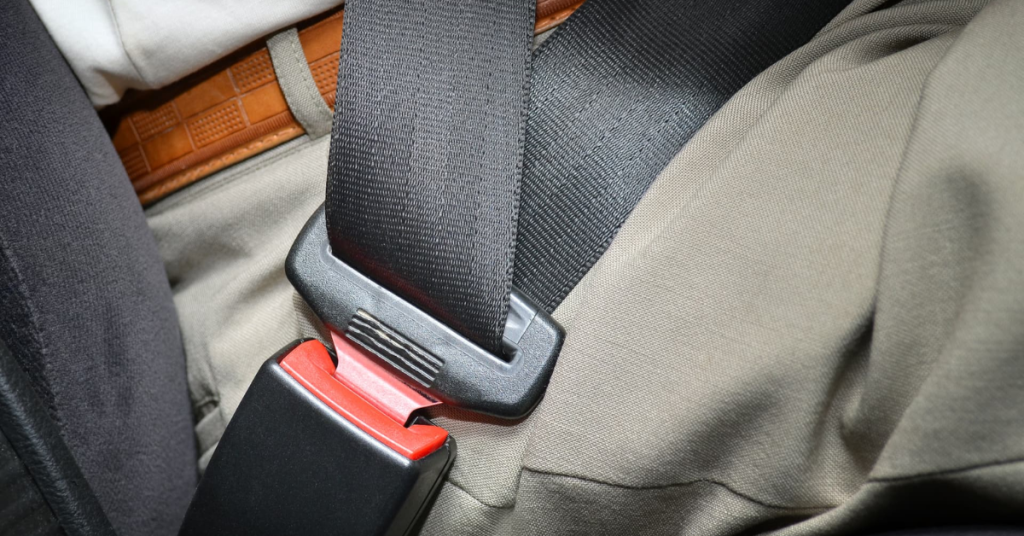
Buckle And Latch Plate
The latch plate slides into the buckle to lock the belt. The buckle is usually on the seat, near the center console.
Anchor Points
Anchor points fix the seat belt to the car’s frame. They are metal bolts usually hidden behind plastic covers.
- Upper anchor – near the shoulder area
- Lower anchor – near the floor or seat base
- Buckle anchor – beside the seat
Guide Loops And Adjusters
Guide loops hold the belt in place on the car seat. Adjusters let you change belt height for comfort and safety.
| Component | Location | Function |
| Webbing | Across body | Secures occupant |
| Retractor | Car frame side | Rolls up belt |
| Buckle | Seat side | Locks belt |
| Anchor Points | Frame bolts | Holds belt secure |
| Guide Loops | Seat or pillar | Positions belt |
Remove Old Seat Belt
Removing an old seat belt is important before installing a new one. It helps keep your car safe and comfortable.
This guide explains how to take out the old seat belt carefully and correctly.
Detach Retractor
The retractor is the part that rolls up the seat belt. To detach it, first locate it near the car’s pillar. Use a wrench to remove the bolts that hold the retractor in place.
After removing the bolts, gently pull the retractor out. Avoid forcing it to prevent damage to other parts.
Unbolt Buckle
The buckle is where you click the seat belt in. Find the bolt that secures the buckle to the car frame. Use a socket wrench to loosen and remove this bolt.
- Locate the buckle near the seat.
- Use the correct wrench size to remove the bolt.
- Keep the bolt safe in case you need it later.
- Remove the buckle from its position carefully.
Remove Anchors
Anchors hold the seat belt firmly to the car body. They are usually fixed with bolts. Use a wrench or ratchet to remove these bolts.
| Anchor Location | Tool Needed | Tip |
|---|---|---|
| Floor anchor | Socket wrench | Check under the carpet for access |
| Side pillar anchor | Combination wrench | Remove trim carefully to reach bolts |
| Lower pillar anchor | Ratchet set | Use extension bar if needed |
Install New Seat Belt
Installing a new seat belt is important for your car’s safety. It keeps you secure while driving. Follow these steps to install it correctly.
Make sure you have the right tools and parts before starting. A new seat belt usually comes with a retractor, buckle, and anchors.
Attach Retractor
The retractor holds the seat belt and allows it to pull out and retract smoothly. First, find the mounting point near the car’s floor or side panel.
Use a wrench to bolt the retractor securely. Make sure it is tight and does not move. Check if the belt rolls out and pulls back easily.
Secure Buckle
The buckle is where you click the seat belt to lock it. Find the correct mounting spot, usually near the seat base. Attach the buckle using bolts.
- Align the buckle with the mounting hole.
- Insert the bolt and tighten with a wrench.
- Test the buckle by clicking the seat belt in and out.
- Ensure it locks firmly and releases smoothly.
Fasten Anchors
Anchors hold the seat belt’s ends to the car frame. They keep the belt steady and safe. Attach anchors to the designated points in your vehicle.
| Anchor Location | Tool Needed | Action |
| Lower side panel | Socket wrench | Secure bolt tightly |
| Seat base frame | Ratchet | Fasten anchor bolt |
| Upper pillar | Wrench | Attach and tighten firmly |
Test Seat Belt Function
After changing a car seat belt, it is important to test its function. This ensures the seat belt works properly and keeps you safe.
Testing helps find any problems early. It checks if the seat belt locks and releases as it should.
Check The Seat Belt Retraction
Pull the seat belt out slowly and then let it go. It should roll back smoothly without getting stuck.
If the belt does not retract easily, it might be twisted or damaged. Fixing this is important for safety.
Test The Locking Mechanism
Pull the seat belt quickly to see if it locks. The belt should stop moving to keep you secure.
If the belt does not lock, it needs adjustment or replacement. This feature protects you in sudden stops.
Inspect The Buckle Release
Press the buckle release button to open the seat belt. It should open easily without sticking.
A stuck buckle can be dangerous. Make sure it releases the belt quickly and smoothly.
Look For Visible Damage
Check the seat belt webbing for cuts, tears, or frays. Damaged belts can fail in an accident.
Also, inspect the metal parts. Rust or cracks can weaken the seat belt system.
- Webbing should be smooth and strong
- Buckles and latches must be clean and undamaged
- Retractors should work without noise or resistance
Test The Seat Belt With A Passenger
Have someone wear the seat belt and sit normally. Check if it fits snugly and locks well.
Ask the passenger to move gently to see if the belt stays tight and comfortable.
Troubleshooting Common Issues
Changing a seat belt in a car can sometimes lead to problems. Knowing how to fix these issues saves time and keeps you safe.
This guide covers common seat belt problems and easy ways to solve them.
Seat Belt Not Retracting Properly
A seat belt that won’t retract can be stuck or dirty. Dirt and debris may block the belt from rolling back smoothly.
- Check for visible dirt or objects in the belt path.
- Clean the belt with a damp cloth and mild soap.
- Pull the belt out fully and let it retract slowly to reset the mechanism.
- If it still sticks, the retractor spring may need replacement.
Seat Belt Buckle Won’t Click Or Release
If the buckle does not click or release easily, dirt or damage could be the cause. A stuck buckle affects safety and comfort.
- Inspect the buckle for dirt or small objects inside.
- Use compressed air or a thin brush to clean inside the buckle.
- Press the release button several times to free any stuck parts.
- Replace the buckle if it remains faulty after cleaning.
Seat Belt Webbing Is Frayed Or Worn
Frayed or worn webbing can weaken the seat belt’s strength. It is important to replace damaged webbing immediately.
| Signs of Damage | Recommended Action |
| Fraying edges | Replace the entire seat belt webbing |
| Faded or brittle fabric | Do not use, replace immediately |
| Visible cuts or tears | Replace seat belt without delay |
Seat Belt Retractor Does Not Lock
The retractor should lock during sudden stops. If it doesn’t, the seat belt may fail to protect you in a crash.
Try this quick check to test the locking mechanism:
- Pull the seat belt out slowly.
- Give a quick, sharp tug on the belt.
- If it locks, the retractor works fine.
- If it moves freely, the retractor may be broken.
Replace the retractor if it fails this test to ensure safety.

Credit: www.youtube.com
Frequently Asked Questions
How Do I Know When To Replace My Car Seat Belt?
Replace your seat belt if it shows wear, fraying, or damage. Also, change it if the retractor or buckle malfunctions. Safety experts recommend timely replacement to ensure maximum protection during accidents.
Can I Change A Seat Belt Myself Safely?
Yes, you can change a seat belt yourself if you follow your car’s manual. Use proper tools, disconnect the battery, and handle components carefully to avoid damage or injury.
What Tools Are Needed To Replace A Car Seat Belt?
Common tools include a screwdriver, socket wrench, and Torx bit. Some cars may require specific tools, so check your vehicle’s manual before starting the replacement.
How Long Does It Take To Replace A Seat Belt?
Replacing a seat belt typically takes 30 to 60 minutes. The time depends on your car model and your experience with DIY repairs.
Conclusion
Changing a car seat belt is simple with the right steps. Follow safety rules carefully to avoid problems. Take your time to remove the old belt and fit the new one. Check that the belt works well before driving. A good seat belt helps keep you safe on the road.
Keep tools and instructions handy for the task. Doing it yourself saves money and helps you learn. Stay safe and confident while driving every day.