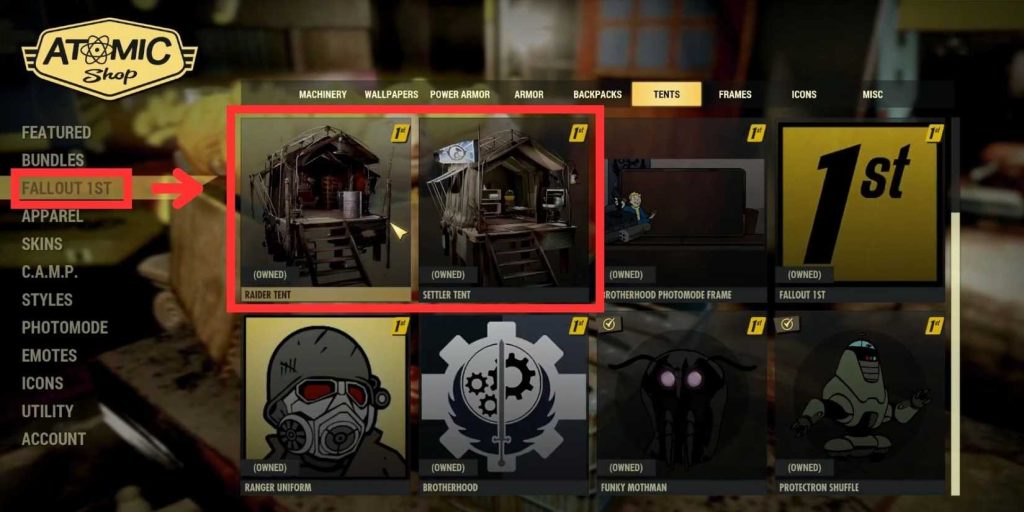
Have you ever found yourself unsure about how to change your survival tent quickly and safely? Whether your shelter is damaged or you need to switch to a better option, knowing the right steps can make all the difference.
In this guide, you’ll discover simple, clear instructions to help you change your survival tent without stress or confusion. Keep reading to learn how to protect yourself and stay prepared in any situation.

Credit: www.youtube.com
Choosing The Right Survival Tent
Choosing a survival tent is important for your safety outdoors. The right tent protects you from weather and insects. It also provides comfort during your stay in the wild.
This guide helps you pick a tent by looking at material types, size, capacity, and weather resistance. These factors affect how well your tent will perform.
Material Types
Survival tents come in different materials. Each has its own benefits and drawbacks. Choosing the right material helps with durability and weight.
- Nylon:Lightweight and strong, good for backpacking.
- Polyester:Resists stretching and UV damage.
- Canvas:Heavy but very durable and breathable.
- Polyethylene:Cheap and waterproof, but heavier.
Size And Capacity
Pick a tent size based on how many people will use it. Also think about your gear and space to move inside.
| Capacity | Best Use | Weight |
| 1-person | Solo trips, light pack | Lightest |
| 2-person | Couples or solo with gear | Moderate |
| 3-person | Small groups or extra space | Heavier |
Weather Resistance
The tent must protect you from wind, rain, and cold. Look for strong waterproof fabrics and good ventilation.
- Waterproof rating:Check the hydrostatic head measurement.
- Wind resistance:Strong poles and low profile tents work best.
- Ventilation:Prevents condensation inside the tent.
- Season rating:Choose 3-season or 4-season tents based on climate.
Essential Gear For Tent Setup
Setting up a survival tent needs specific gear. With the right tools, you can ensure a safe and comfortable shelter.
In this guide, we will explore essential tools and accessories, as well as how to pack smartly for a camping trip.
Tools And Accessories
Having the right tools makes tent setup easier. You can avoid common issues with proper equipment.
- Hammer or mallet for securing stakes
- Multi-tool for cutting rope or fabric
- Extra stakes in case of loss or damage
Packing Smart
Packing smart ensures you bring everything you need. It helps you stay organized and reduce stress.
| Item | Purpose |
| Waterproof bag | Protects gear from rain |
| Compression sack | Reduces space of sleeping bag |
| Labelled bags | Keeps small items sorted |
Selecting The Perfect Campsite
Choosing the right place for your survival tent is key. A good campsite keeps you safe and comfortable. Think about the land and your shelter needs before setting up.
Look for a spot that protects you from weather and dangers. A careful choice helps you rest well and stay prepared.
Terrain Considerations
Pick flat ground to set your tent. Avoid low spots where water can gather. Hard or rocky soil can damage your tent floor.
- Find level land to keep your tent stable.
- Avoid hillsides that may cause sliding or rolling.
- Stay away from dry riverbeds that can flood.
- Clear sharp rocks and sticks before pitching your tent.
- Check for insect nests or animal tracks nearby.
Safety And Shelter
Safety means more than good terrain. It includes shelter from wind, rain, and threats.
| Safety Factor | What to Look For | Why It Matters |
| Wind Protection | Trees or rocks blocking strong winds | Prevents tent damage and heat loss |
| Fire Safety | Clear area around fire pit, away from dry brush | Reduces risk of wildfires |
| Wildlife | Signs of animals, avoid nests or dens | Prevents dangerous encounters |
| Water Source | Nearby but not too close to avoid flooding | Easy access for drinking and cooking |
Step-by-step Tent Setup
Setting up a survival tent can be easy with clear steps. Follow these instructions to get your tent ready fast.
Each step guides you through the process from unpacking to securing the tent firmly.
Unpacking And Organizing
Start by unpacking your survival tent carefully. Lay out all parts on a clean surface.
Check that you have all pieces: tent body, poles, stakes, and rainfly.
- Remove the tent from its bag
- Spread out the tent fabric flat
- Sort poles and stakes by size and type
- Keep the rainfly separate for later use
Assembling Poles And Frame
Connect the tent poles by fitting sections together. Make sure each pole clicks in place.
Form the frame by bending poles into the shapes that match the tent’s design.
- Identify poles for the main frame
- Join pole sections carefully
- Shape poles to fit tent loops or sleeves
- Place assembled poles on the tent fabric
Securing The Tent
Attach poles to the tent by sliding them through sleeves or clipping them on. This forms the tent’s structure.
Use stakes to anchor the tent to the ground. Push stakes into the soil at an angle for firm hold.
- Clip or slide poles into place on tent body
- Raise the tent frame carefully
- Stake down corners tightly
- Check all attachments for security
Adjusting For Stability
Check the tent’s tension and adjust guy lines to keep it stable. Tighten or loosen lines as needed.
Make sure the tent is firm and stands well against wind or rain.
- Tighten all guy lines evenly
- Adjust stakes if the tent sags
- Test tent stability by gently pushing sides
- Reposition stakes for better hold if needed
Quick Tips For Efficient Setup
Setting up a survival tent fast can keep you safe and dry. Knowing some quick tips helps you avoid delays. This guide shares easy ways to set up your tent well.
Use smart methods to save time and work better with your team. These tips will make your tent setup smooth and quick.
Teamwork Strategies
Working together speeds up the tent setup. Clear roles and good communication help everyone do their job well.
- Assign tasks like holding poles, securing stakes, and unfolding the tent
- Speak clearly and listen to each other
- Help teammates who need extra hands
- Check the area for hazards before setting up
Time-saving Hacks
Using the right tricks can cut your setup time in half. Prepare your gear and choose the best spot quickly.
| Hack | Description |
| Pre-Layout Gear | Lay out poles, stakes, and tent parts before starting |
| Use Tent Clips | Attach tent fabric to poles with clips for faster setup |
| Stake Corners First | Secure tent corners before raising poles to save time |
| Practice Setup | Practice pitching your tent at home to improve speed |
Credit: gamerant.com
Maintaining Your Tent
Keeping your survival tent in good shape helps it last longer. Proper care makes it ready for your next trip.
Cleaning and storing your tent the right way prevents damage and keeps it safe from mold and dirt.
Cleaning And Drying
After using your tent, remove all dirt and debris. Use a soft brush or cloth to clean the fabric gently.
Wash your tent with mild soap and cold water. Avoid strong detergents that can damage the material.
- Do not use a washing machine or dryer
- Rinse well to remove all soap
- Dry your tent completely before storing
- Air dry in shade to avoid sun damage
Storage Advice
Store your tent in a cool, dry place to stop mold and mildew from growing. Avoid damp or hot areas.
Keep your tent loosely folded or rolled. Do not keep it tightly packed for a long time.
- Use a large storage bag, not the small stuff sack
- Check your tent for damage before storing
- Air your tent occasionally during long storage
- Keep away from direct sunlight and pests

Credit: gamerant.com
Frequently Asked Questions
How Do I Choose The Right Survival Tent?
Choose a tent based on size, weight, and weather resistance. Consider materials and ease of setup for survival situations. Prioritize durability and ventilation for comfort and safety outdoors.
When Is The Best Time To Change A Survival Tent?
Change your survival tent when it’s damaged, worn, or no longer weatherproof. Also, upgrade if your needs or environment change significantly.
What Tools Are Needed To Change A Survival Tent?
You need stakes, mallet, repair tape, seam sealer, and scissors. These tools help dismantle the old tent and set up the new one efficiently.
How Can I Maintain My Survival Tent After Changing It?
Clean your tent regularly, store it dry, and repair tears immediately. Proper maintenance extends the tent’s life and ensures reliability in emergencies.
Conclusion
Changing a survival tent can feel tricky at first. Follow the steps one by one and stay calm. Check your tent’s parts before starting. Take your time to avoid mistakes. Practice helps you get faster and better. A good tent keeps you safe and dry outdoors.
Keep learning and improving your skills. Stay prepared for any weather or situation. Your safety depends on your readiness. Keep your survival gear ready and easy to use. Simple steps make big differences in the wild.