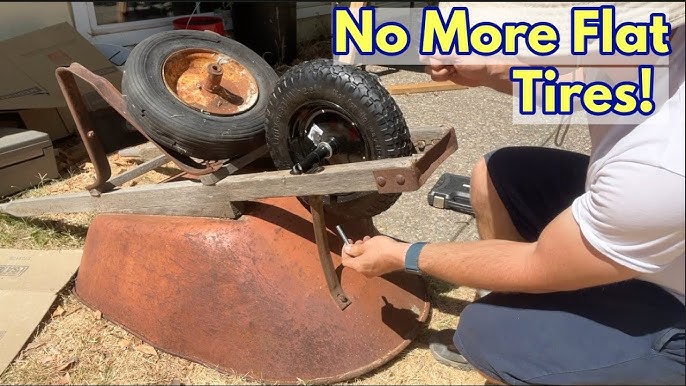
Are you frustrated with a flat wheelbarrow tire just when you need it most? You’re not alone.
Many people face this common problem, and it can turn a simple task into a major hassle. But don’t worry—changing a wheelbarrow tire is easier than you might think, and we’re here to guide you through it step by step.
Imagine how much easier your gardening or DIY projects will be once you’re equipped with this handy skill. By the end of this article, you’ll feel confident and ready to tackle this task with ease. So, let’s dive in and transform that dreaded flat tire into a quick and easy fix!
Tools Needed
Changing a wheelbarrow tire is a simple task. You only need a few tools to do it right.
Using the correct tools makes the job easier and faster. Let’s look at what you need.
Essential Tools
These tools help you remove the old tire and install the new one. They are must-haves for the job.
- Wrench or Socket Set:To loosen and tighten the nuts on the wheel.
- Screwdriver:Useful for prying off the tire if it is stuck.
- Pliers:To pull out cotter pins or hold small parts.
- Tire Lever or Pry Bar:Helps remove the tire from the rim.
- Air Pump or Compressor:To inflate the new tire once installed.
Optional Accessories
These accessories are not always needed but can make the work easier and safer.
- Gloves:Protect your hands from dirt and sharp parts.
- Jack or Block:Supports the wheelbarrow and keeps it steady while you work.
- Lubricant Spray:Helps loosen rusty nuts or parts stuck in place.
- Rag or Cloth:For cleaning parts before installing the new tire.

Credit: m.youtube.com
Preparing The Wheelbarrow
Changing a wheelbarrow tire starts with good preparation. This helps you work safely and easily.
Before you remove the old tire, you need to prepare the wheelbarrow well. This ensures the tire change goes smoothly.
Safety Measures
Safety is important when working with tools and heavy parts. Follow these rules to avoid injuries.
- Wear gloves to protect your hands from sharp edges.
- Use safety glasses to protect your eyes from dust and debris.
- Make sure your work area is clear of obstacles.
- Keep children and pets away from the work zone.
- Use tools that are in good condition and fit for the job.
Positioning The Wheelbarrow
Place the wheelbarrow in a stable position before starting. A steady wheelbarrow prevents accidents.
| Position | Reason |
|---|---|
| Upside down | Easy access to the tire and wheel assembly |
| On flat ground | Prevents the wheelbarrow from tipping over |
| Near your tools | Helps you reach tools quickly |
| Clear area | Gives enough room to work safely |
Removing The Old Tire
Changing a wheelbarrow tire is easier when you know the steps. Start by removing the old tire carefully. This helps you install a new tire without problems.
Focus on deflating the tire, detaching the wheel, and then removing the tire from the rim. Follow each step to avoid damage.
Deflating The Tire
First, let the air out of the tire. This makes it soft and easier to handle. Find the valve stem where you can release the air.
Press the valve core or use a tool to open it. Wait until all the air escapes. The tire should feel flat before moving on.
Detaching The Wheel
Next, remove the wheel from the wheelbarrow frame. Usually, the wheel is held by nuts or bolts on the axle. Use the correct tools to loosen them.
Take the wheel off carefully. Keep the nuts and bolts in a safe place. This helps you put the wheel back later.
Removing The Tire From Rim
Now, separate the tire from the wheel rim. Use tire levers or flat tools to pry the tire edge away from the rim. Work slowly around the tire.
Once one side of the tire is off, pull the tire free from the rim. Check the rim for any damage before installing a new tire.

Credit: wheelco.co.nz
Installing The New Tire
Changing a wheelbarrow tire means installing the new tire properly. This helps the wheelbarrow work smoothly and last longer.
Follow these easy steps to install the new tire on your wheelbarrow. Take your time and do each step carefully.
Aligning The Tire
Place the new tire on a flat surface. Make sure the valve hole lines up with the rim’s valve stem hole. This keeps the tire balanced and ready for mounting.
Check that the tire is not twisted or turned the wrong way. Proper alignment helps the tire fit easily on the rim.
Mounting The Tire On Rim
Start by pushing one side of the tire onto the rim. Use your hands to work the tire over the rim edge. Avoid using sharp tools that can damage the tire.
Once one side is on, push the other side of the tire over the rim. This may take some force, but work slowly and carefully. Make sure the tire sits evenly around the rim.
- Check for any pinched sections
- Make sure the tire bead is inside the rim groove
- Adjust the tire if it feels loose or uneven
Inflating The Tire
Attach a pump to the tire valve. Begin inflating the tire slowly. Keep an eye on the tire shape as you pump air in.
Inflate the tire to the pressure number shown on the tire sidewall. Do not overinflate, or the tire may burst. Proper inflation gives better support and easier pushing.
- Use a pressure gauge for accuracy
- Stop pumping if the tire bulges
- Check for air leaks after inflating
Reattaching The Wheel
After replacing the tire, you need to put the wheel back on the wheelbarrow. This step ensures the wheel is secure and works properly. Follow the instructions carefully for safety and smooth use.
Make sure you have all parts ready, such as the axle, washers, and cotter pins. Proper alignment is important to avoid wheel wobbling.
Securing The Wheel
Place the wheel onto the axle carefully. Then secure it with the correct hardware. Tighten the nuts or bolts firmly but avoid over-tightening.
- Slide the wheel onto the axle until it fits snugly.
- Put washers on both sides of the wheel to reduce friction.
- Use a wrench to tighten the axle nut or bolt firmly.
- Insert the cotter pin through the axle hole to lock the nut in place.
- Bend the ends of the cotter pin to prevent it from slipping out.
Testing The Fit
Check the wheel’s movement and stability after securing it. The wheel should spin freely without wobbling or resistance.
| Check Point | What to Look For | Action if Problem |
| Wheel Spin | Spins smoothly and easily | Tighten nuts or adjust washers |
| Wheel Wobble | Minimal side-to-side movement | Re-seat wheel and secure hardware |
| Hardware Security | All nuts and pins firmly in place | Replace missing or damaged parts |
Maintenance Tips
Keeping your wheelbarrow tire in good shape helps it last longer. Regular care prevents sudden problems.
Follow simple maintenance steps to avoid tire damage and keep your wheelbarrow working well.
Regular Tire Checks
Check your wheelbarrow tire often to find issues early. Look for cracks, punctures, or low air pressure.
- Inspect the tire surface for cuts or damage.
- Press the tire to see if it feels firm.
- Check the air pressure with a gauge if it is pneumatic.
- Look at the valve stem for leaks or cracks.
Proper Storage
Store your wheelbarrow and its tire in a dry, shaded place. This stops the tire from drying out and cracking.
| Storage Tip | Reason |
| Keep away from direct sunlight | Sunlight causes rubber to degrade quickly |
| Store in a cool, dry area | Prevents moisture damage and rust |
| Elevate off the ground | Stops flat spots and dirt buildup |
| Remove the tire if storing long-term | Avoids unnecessary pressure on the tire |

Credit: wheelco.co.nz
Frequently Asked Questions
How Do I Remove A Wheelbarrow Tire Safely?
To remove a wheelbarrow tire, first secure the wheelbarrow. Use a wrench to loosen and remove the axle nuts. Carefully slide the tire off the axle to avoid injury or damage.
What Tools Are Needed To Change A Wheelbarrow Tire?
You need a wrench, tire lever, and possibly a screwdriver. These tools help remove the wheel, detach the old tire, and fit the new one securely.
How Can I Fix A Flat Wheelbarrow Tire?
To fix a flat tire, remove the wheel and inspect for punctures. Patch small holes or replace the inner tube if damaged. Reinflate the tire to the recommended pressure.
How Often Should I Replace My Wheelbarrow Tire?
Replace the tire when it shows significant wear, cracks, or frequent flats. Regular checks every few months help maintain performance and safety.
Conclusion
Changing a wheelbarrow tire is simple with the right steps. Remove the old tire carefully, check the wheel and axle. Fit the new tire securely and tighten all parts. Test the wheelbarrow to make sure it rolls smoothly. Regular tire checks help avoid problems later.
A well-maintained wheelbarrow makes work easier and faster. Keep tools handy and follow safety tips during repair. Now, your wheelbarrow is ready for any job ahead.