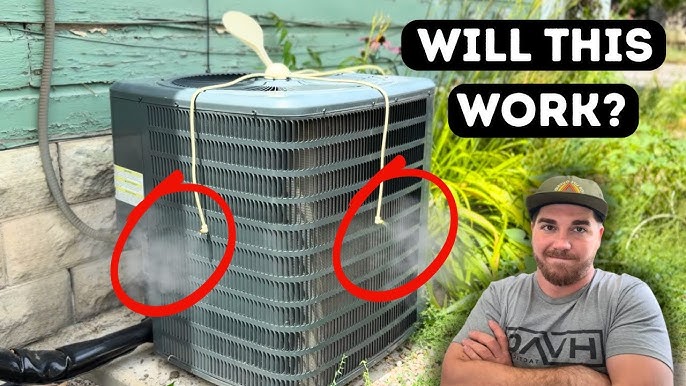
Is your air conditioner not cooling like it used to? You might be dealing with low refrigerant levels.
Knowing how to charge an air conditioner can save you money and keep your home comfortable all year round. You’ll discover simple, step-by-step tips to safely recharge your AC and boost its performance. Keep reading, because the solution to a cooler, fresher space is closer than you think.
Preparing Your Air Conditioner
Charging an air conditioner needs careful preparation. You must get your unit ready before adding refrigerant.
This guide helps you prepare your air conditioner safely and correctly.
Check The Model And Specifications
Find your air conditioner’s model number. It is usually on the nameplate or label.
Read the manual to know the right refrigerant type and amount. Using wrong refrigerant can damage the unit.
- Locate the model number on the unit
- Identify the refrigerant type (e.g., R-410A, R-22)
- Note the maximum refrigerant capacity
- Check for any special instructions in the manual
Gather Necessary Tools And Equipment
Collect all tools before starting. This makes the process smoother and safer.
Common tools include gauges, hoses, and refrigerant tanks.
- Manifold gauge set to measure pressure
- Refrigerant tank with correct type
- Vacuum pump to remove air and moisture
- Wrenches and screwdrivers for connections
- Safety gloves and goggles
Ensure Safety Precautions
Wear protective gear to avoid injury. Refrigerants can cause frostbite or breathing problems.
Work in a well-ventilated area and keep tools away from heat or flames.
- Wear gloves and safety goggles
- Work outdoors or in a ventilated room
- Keep refrigerants away from open flames
- Turn off power to the air conditioner before starting
- Follow instructions carefully to avoid leaks
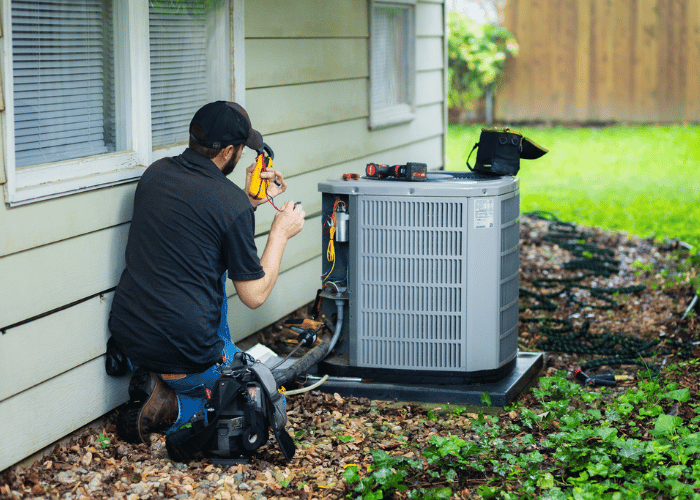
Credit: cutradeservices.com
Understanding Refrigerant Types
Air conditioners use refrigerants to cool your home. These fluids absorb heat and help cool the air. Knowing the types of refrigerants helps you charge your AC correctly.
Using the wrong refrigerant or charging it incorrectly can damage your unit. It also affects how well your air conditioner works. Learn about common refrigerants and how to choose the right one.
Common Refrigerants Used
There are several refrigerants used in air conditioners today. Each has different properties and environmental impacts. Here is a list of the most common types:
- R-22:Older units use this refrigerant. It harms the ozone layer and is being phased out.
- R-410A:A common replacement for R-22. It is more efficient and safer for the environment.
- R-32:A newer refrigerant that uses less energy and has low global warming potential.
- R-134a:Used in some small AC units and automotive air conditioning.
Choosing The Right Refrigerant For Your Unit
Selecting the correct refrigerant depends on your air conditioner’s model and age. Using the wrong type can cause leaks or damage.
| Refrigerant Type | Best For | Environmental Impact | Notes |
| R-22 | Older AC units | High ozone depletion | Phased out in many countries |
| R-410A | Newer residential units | No ozone depletion | Widely available |
| R-32 | Modern energy-efficient units | Low global warming potential | Requires special handling |
| R-134a | Small and automotive AC | Low ozone depletion | Less common in home units |
Locating The Service Ports
Charging an air conditioner requires finding the right service ports. These ports let you connect tools to check pressure and add refrigerant.
Knowing where to find these ports makes the job safer and easier. This guide explains how to locate and use them.
Identifying High And Low Pressure Ports
Air conditioners have two main service ports. One is for low pressure, and one is for high pressure. Each port has a different size and location.
The low pressure port is larger and usually on the bigger tubing. The high pressure port is smaller and on the thinner tubing.
- Low pressure port: larger, on the bigger tube
- High pressure port: smaller, on the thinner tube
Accessing The Charging Valve
To charge the air conditioner, you connect your gauges to the charging valve. This valve is inside the service port caps.
Remove the cap carefully to avoid dirt entering. Then attach your gauge hose to the valve to start charging or checking pressure.
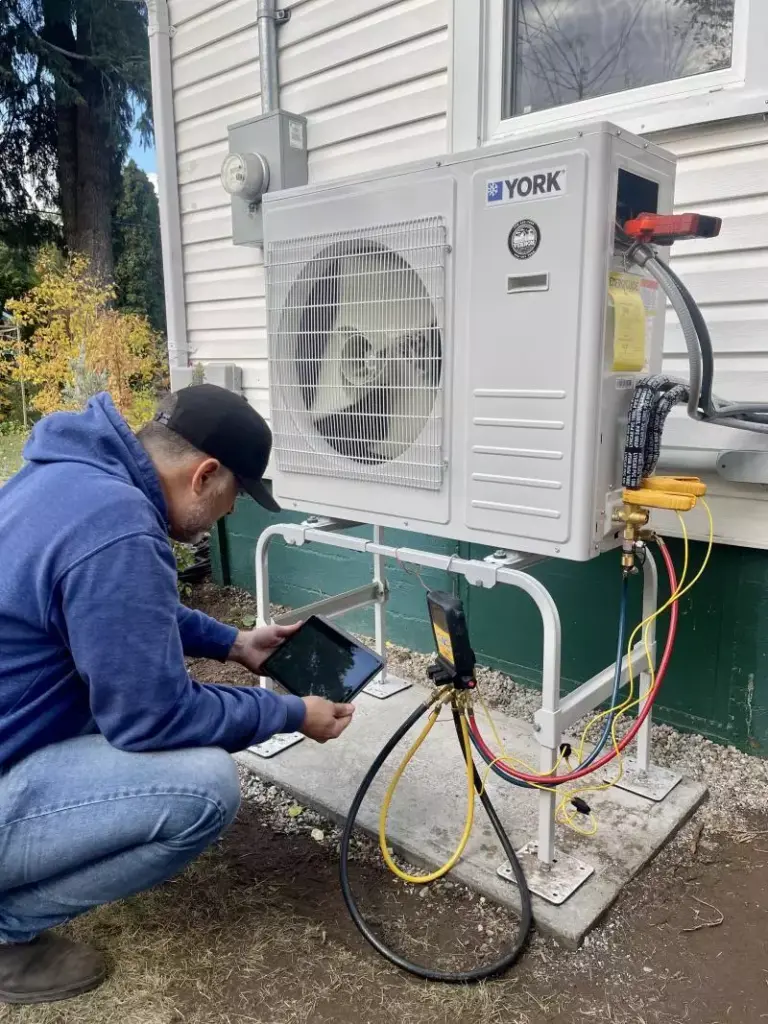
Credit: vernonairconditioning.com
Using The Manifold Gauge Set
Charging an air conditioner requires careful use of a manifold gauge set. This tool helps measure pressure and add refrigerant safely.
Understanding how to connect and read the gauges ensures the system works well and avoids damage.
Connecting The Gauges Properly
First, turn off the air conditioner and close all valves on the manifold. Then, connect the hoses to the right ports on the unit.
- Attach the blue hose to the low-pressure service port.
- Connect the red hose to the high-pressure service port.
- Connect the yellow hose to the refrigerant tank or vacuum pump.
- Make sure all connections are tight and secure.
Reading Pressure Levels
After connecting the gauges, turn on the air conditioner and observe the readings. Proper pressure levels vary by system type and temperature.
| Gauge | Normal Pressure Range (PSI) | Notes |
| Low-Pressure Side (Blue) | 25 – 45 | Depends on ambient temperature |
| High-Pressure Side (Red) | 150 – 250 | Varies with refrigerant type |
Evacuating The Air Conditioner
Evacuating an air conditioner removes air and moisture inside the system. This helps the unit work better and last longer.
Proper evacuation is important before charging the air conditioner with refrigerant. It keeps the system clean and safe.
Removing Air And Moisture
Air and moisture inside the air conditioner can cause damage. Moisture can freeze and block refrigerant flow.
Removing air and moisture prevents corrosion and improves cooling efficiency. It also protects internal parts.
- Air reduces system pressure and cooling power
- Moisture can form acids and rust parts
- Evacuation clears out these harmful elements
Using A Vacuum Pump
A vacuum pump creates a low-pressure environment inside the air conditioner. This pulls out air and moisture.
Connect the pump to service ports and run it until the system reaches the right vacuum level. This may take 15 to 30 minutes.
- Attach pump to the low side service port
- Turn on the vacuum pump
- Watch the gauge drop to 500 microns or lower
- Close valves and turn off the pump
- Check for pressure rise to confirm no leaks

Credit: www.youtube.com
Adding Refrigerant Safely
Charging an air conditioner with refrigerant needs care and attention. Doing it safely keeps the system working well and avoids damage.
Follow simple steps to add refrigerant without risks. Use the right tools and check pressures carefully.
Charging Methods: Liquid Vs. Vapor
You can add refrigerant as liquid or vapor. Each way affects the air conditioner differently.
Adding liquid refrigerant directly can harm the compressor. Vapor charging is safer for the system.
- Liquid charging is faster but riskier.
- Vapor charging protects the compressor.
- Most systems need vapor charging to work well.
Monitoring Pressure And Temperature
Check pressure and temperature during charging to avoid overfilling. This helps the system run smoothly.
Use gauges to watch the pressure and a thermometer for temperature. Adjust the refrigerant amount based on these readings.
- Keep pressure within manufacturer limits.
- Watch temperature to prevent system stress.
- Stop charging if readings go too high or low.
Checking For Leaks And Performance
Charging an air conditioner needs care to keep it working well. Checking for leaks and testing its performance helps avoid problems.
Leaks can waste refrigerant and lower cooling power. Testing performance shows if the unit cools as it should.
Using Leak Detectors
Leak detectors find holes where refrigerant escapes. These tools help fix leaks before charging the unit.
There are different types of leak detectors. Some use UV dye, others use electronic sensors to find leaks fast.
- UV dye leak detectors use special dye added to refrigerant.
- Electronic leak detectors sense refrigerant gas in the air.
- Soap bubble tests show leaks by forming bubbles at holes.
Testing Cooling Efficiency
Cooling efficiency tells if the air conditioner cools well after charging. Testing it ensures the system works right.
Check the temperature difference between the air going into the unit and the air coming out. A good difference means proper cooling.
- Measure the indoor air temperature before the unit.
- Measure the air temperature after the unit.
- Calculate the difference; 15 to 20 degrees Fahrenheit is normal.
- Check if the unit runs smoothly without strange noises.
Maintaining Your Air Conditioner
Keeping your air conditioner in good shape helps it work well and last longer.
Regular care stops problems and keeps your home cool and comfortable.
Regular Cleaning Tips
Clean your air conditioner often to remove dust and dirt. This helps air flow better.
- Turn off the power before cleaning.
- Remove and wash the filters with soap and water.
- Clean the outside unit by removing leaves and debris.
- Wipe the vents and coils gently with a soft cloth.
- Check the drain line for clogs and clear them.
Scheduling Professional Servicing
Get a professional to check your air conditioner once a year. They can find and fix problems early.
| Service Task | Why It Matters |
| Check refrigerant levels | Ensures cooling works well |
| Inspect electrical parts | Prevents failures and hazards |
| Clean coils and fins | Keeps the system efficient |
| Test thermostat accuracy | Maintains proper temperature |
| Check for leaks | Prevents damage and loss of coolant |
Frequently Asked Questions
How Do I Know When To Charge My Air Conditioner?
You should charge your air conditioner if cooling weakens or airflow drops. Low refrigerant levels cause these issues. A professional can check refrigerant pressure and confirm if charging is needed.
Can I Charge My Air Conditioner Myself Safely?
Charging an air conditioner yourself is risky without proper tools and knowledge. Incorrect handling can damage the system or cause refrigerant leaks. It’s best to hire a certified technician for safe, effective charging.
What Type Of Refrigerant Does My Ac Need?
Check your air conditioner’s label or manual for the refrigerant type. Most modern units use R-410A or R-22. Using the correct refrigerant ensures optimal cooling and system safety.
How Much Refrigerant Should I Add To My Ac?
The exact refrigerant amount varies by model and leak size. Overcharging or undercharging harms performance. A technician measures pressure to add the correct refrigerant quantity for efficient cooling.
Conclusion
Charging an air conditioner can feel complex at first. But, with patience and practice, it becomes manageable. Always prioritize safety by wearing protective gear. Ensure you follow the correct procedures to avoid mishaps. Regular maintenance keeps your AC running smoothly.
This extends its life and improves efficiency. Consult a professional if unsure about any steps. They have the expertise to guide you properly. Remember, a well-charged AC keeps your home comfortable. So, take care of your air conditioner, and it will take care of you.
Enjoy the cool air and peace of mind.