Are you wondering how to keep your Toyota hybrid battery charged and ready for every drive? Knowing the right way to charge your hybrid battery can save you time, money, and stress.
Whether you’re new to hybrid cars or just want to make sure you’re doing it right, this guide will walk you through simple steps to keep your battery healthy and your car running smoothly. Keep reading to discover easy tips that will help you get the most out of your Toyota hybrid battery every day.
Toyota Hybrid Battery Basics
Your Toyota hybrid battery is the heart of your vehicle’s efficiency. Understanding its basics helps you keep your car running smoothly and saves you from unexpected breakdowns. Let’s look closer at what makes these batteries unique, where they live in your car, and how to spot when they’re losing power.
Types Of Hybrid Batteries
Toyota hybrids mainly use two types of batteries: Nickel-Metal Hydride (NiMH) and Lithium-ion (Li-ion).
- NiMH Batteries:Common in older models, these batteries are durable and reliable but heavier and bulkier.
- Li-ion Batteries:Found in newer models, they are lighter, more compact, and offer better energy storage.
Knowing which battery your car has helps you understand charging needs and lifespan expectations. Have you checked your owner’s manual to identify your battery type?
Battery Location And Components
The hybrid battery usually sits under the rear seats or in the trunk area, depending on the model. This placement helps balance the car’s weight and keeps the battery safe from road damage.
Inside the battery pack, cells work together to store and release energy. These cells connect to a Battery Management System (BMS), which controls charging and protects the battery from overuse.
Knowing the battery’s location can help you spot any issues early, like leaks or corrosion. Have you ever inspected the battery area during routine maintenance?
Signs Of Battery Drain
Recognizing when your hybrid battery is draining is key to avoiding costly repairs. Common signs include:
- Reduced fuel efficiency despite normal driving habits
- Longer engine start times or frequent engine-only running
- Warning lights on the dashboard related to the hybrid system
- Unusual noises or overheating near the battery area
If you notice any of these, don’t ignore them. Early action can preserve your battery’s life and save you money. How often do you monitor your car’s dashboard for warning signs?

Credit: www.ebay.com
Safety Precautions Before Charging
Charging your Toyota hybrid battery isn’t just about plugging in and waiting. Safety should always be your top priority before you start. Taking a few simple precautions can protect you from injury and keep your vehicle’s system running smoothly.
Required Safety Gear
Before touching any part of the hybrid battery system, gear up properly. At minimum, wear insulated gloves to prevent electrical shocks. Safety glasses are also essential to shield your eyes from sparks or debris.
Non-conductive footwear can stop electricity from passing through your body if there’s a fault. Having a fire-resistant jacket or apron adds an extra layer of protection, especially when working with high voltages.
Ensuring Proper Ventilation
Hybrid batteries can emit gases during charging, which might be harmful if inhaled. Always charge your Toyota hybrid in a well-ventilated space. If you’re indoors, open windows or use fans to circulate air effectively.
Charging in a garage without airflow increases the risk of gas buildup, which could lead to breathing issues or even fire hazards. Have you noticed any unusual odors during charging? That’s a sign to check ventilation immediately.
Avoiding Electrical Hazards
Hybrid batteries store and deliver high voltage. Never touch battery terminals or connectors with bare hands or metal tools. Always disconnect the vehicle’s 12V battery first to reduce electrical risk.
Inspect cables and connectors for damage before charging. Frayed wires or cracked insulation can cause short circuits or shocks. Remember, even a small oversight can turn a routine charge into a dangerous event.
Tools And Equipment Needed
Charging a Toyota hybrid battery requires specific tools and equipment. Using the right gear ensures safety and efficiency. Gather all necessary items before starting the process.
Charger Types Compatible With Toyota Hybrids
Choose a charger designed for hybrid batteries. These chargers provide controlled voltage and current. Common options include:
- Smart chargers with automatic shut-off
- Battery maintainers for slow charging
- High-quality lithium-ion compatible chargers
Avoid regular car battery chargers. They may damage the hybrid battery.
Multimeter And Diagnostic Tools
A multimeter helps check battery voltage and health. It measures current, voltage, and resistance. Diagnostic tools can read error codes from the hybrid system. These tools help identify battery issues before charging.
Protective Accessories
Safety is crucial when handling hybrid batteries. Use insulated gloves to prevent electric shock. Safety glasses protect your eyes from sparks. Work in a well-ventilated area to avoid fumes. Have a fire extinguisher nearby for emergencies.
Credit: www.toyotanation.com
Preparing Your Toyota Hybrid
Preparing your Toyota hybrid for battery charging is crucial to ensure safety and efficiency. Before you start, make sure you understand the key steps involved in getting your vehicle ready. This preparation helps prevent damage to the battery and avoids any risk of electric shock or other hazards.
Turning Off The Vehicle
Make sure your Toyota hybrid is completely turned off before you begin any charging process. This means switching off the ignition and removing the key or pressing the power button until the dashboard lights go off. Leaving the vehicle on can cause electrical surges or interfere with the charging system.
Also, engage the parking brake. This simple step keeps the car stable while you work on the battery, reducing any chance of accidental movement.
Accessing The Battery
Locate the hybrid battery compartment, which is usually found under the rear seats or in the trunk area, depending on your Toyota model. Consult your owner’s manual if you’re unsure where it is. Never attempt to open the compartment without the right tools or instructions.
Remove any covers or panels carefully to avoid damaging connectors or wiring. You’ll want clear access to the battery terminals to safely attach your charger. Remember, hybrid batteries can be heavy, so don’t rush this step.
Checking Battery Condition
Before charging, inspect the battery for any signs of damage such as cracks, leaks, or corrosion on the terminals. If you notice any of these, it’s best to contact a professional instead of charging it yourself. Charging a damaged battery can be dangerous and reduce its lifespan.
Use a multimeter to check the battery voltage if you have one. This quick test can tell you if the battery needs charging or if there might be a deeper issue. Have you ever discovered a simple problem early just by taking a close look? It can save you a lot of trouble down the road.
Step-by-step Charging Process
Charging your Toyota hybrid battery involves a clear and careful process to ensure safety and efficiency. Each stage requires your attention to detail, from connecting the charger properly to monitoring the charging progress. Let’s walk through the essential steps that make this task straightforward and reliable.
Connecting The Charger
Start by locating the charging port on your Toyota hybrid, usually found near the front or side of the vehicle. Make sure both your car and the charger are turned off before plugging in. Align the charger plug carefully with the port and insert it firmly until it clicks into place.
Double-check the connection to avoid any loose contacts that could interrupt the charging. Have you noticed how a simple misalignment can cause charging errors? Taking your time here prevents unnecessary frustration later.
Setting Charger Parameters
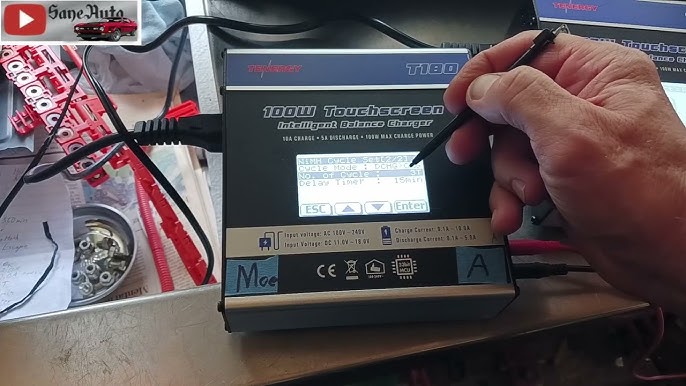
Once connected, switch on the charger and select the appropriate settings for your battery type. Most Toyota hybrids have recommended voltage and current levels listed in the user manual—stick to those. Adjust the timer if your charger has one, to avoid overcharging.
Setting the right parameters protects your battery’s lifespan and ensures an efficient charge. Have you ever wondered how much damage improper settings can cause? It’s worth the effort to get this right every time.
Monitoring Charging Progress
Keep an eye on the charger’s display or your car’s dashboard indicators as the battery charges. Look out for steady progress and any warning signs like error messages or unusual heat. It’s normal for charging to take some time, so patience is key.
Checking in regularly helps you catch potential issues early. How often do you usually check your device while charging? Staying attentive makes the process safer and smoother.
Disconnecting The Charger Safely
After the battery is fully charged, turn off the charger before unplugging it from your Toyota hybrid. Gently release the charger plug by pressing any release buttons and pulling it straight out. Avoid yanking the cable to prevent damage.
Store the charger cable properly to keep it in good condition for the next use. Did you know that careful disconnection extends the life of both your charger and your car’s charging port? Treat these parts with care for ongoing reliability.

Credit: www.youtube.com
Post-charging Checks
After charging your Toyota hybrid battery, it’s essential to perform a few checks to ensure everything is working properly. These post-charging steps help confirm that the battery holds the charge and that your vehicle’s systems are ready to run efficiently. Skipping these checks could leave you with unexpected issues down the road.
Testing Battery Voltage
Use a multimeter to test the voltage of your hybrid battery. A fully charged battery should show a voltage close to the manufacturer’s specified range—usually between 200 and 300 volts for Toyota hybrids. If the voltage reads too low or too high, it might indicate a problem with the battery or charging system.
Checking the voltage yourself can save you a trip to the mechanic. Have you ever noticed how your car’s performance changes after a battery charge? This simple test can give you peace of mind that your hybrid system is ready to go.
Resetting Vehicle Systems
After charging, some Toyota hybrids may need a system reset to recalibrate the battery management system. This process often involves turning the ignition off and on several times or following specific reset procedures in the owner’s manual. Resetting helps the vehicle correctly recognize the battery’s new charge level.
Skipping this step might cause inaccurate battery readings or warning lights on your dashboard. Have you checked your owner’s manual for the exact reset instructions? Doing this ensures smooth communication between your battery and car systems.
Observing Performance Improvements
Take your Toyota for a short drive to observe any performance changes. Notice if the electric motor runs smoother, the fuel efficiency improves, or the hybrid system switches seamlessly between power sources. These signs mean your battery is functioning well after the charge.
If you don’t see improvements, it could signal underlying issues that need professional attention. How does your car feel compared to before the charge? Paying close attention to these details helps you catch problems early and keep your hybrid running efficiently.
Common Issues And Troubleshooting
Charging a Toyota hybrid battery usually goes smoothly, but sometimes you might face issues that slow you down or stop the process entirely. Knowing what to watch for and how to troubleshoot can save you time and frustration. Let’s look at some common problems and what you can do when things don’t work as expected.
Charger Not Connecting
If your charger won’t connect to the hybrid battery, first check the cable and plug for any visible damage or dirt. A loose connection or debris can prevent proper contact. Try unplugging and plugging the charger back in firmly.
Another thing to check is the charger’s compatibility with your Toyota model. Not all chargers work with every hybrid battery type. If you’re unsure, consult your vehicle’s manual or the charger’s specifications.
Have you checked the power source? Sometimes the outlet or charging station might be the real issue. Try a different outlet or station to rule this out.
Battery Not Holding Charge
If your battery charges but loses power quickly, it could be a sign of aging cells or a faulty battery management system. Hybrid batteries degrade over time, so if your car is older, this might be expected.
Another cause can be parasitic drains—electrical components that continue to use power even when the car is off. Check for lights, accessories, or systems that might be staying active longer than they should.
Consider running a diagnostic test at a Toyota service center. They can assess battery health and recommend whether repair or replacement is needed.
Error Codes And Indicators
Your Toyota hybrid system uses error codes and dashboard indicators to alert you of charging problems. Don’t ignore warning lights—they often point directly to the issue.
Use an OBD-II scanner to read error codes if you have one. These codes can guide you to specific problems like inverter issues, battery temperature problems, or sensor failures.
Sometimes, a simple system reset after addressing the issue clears the error. But persistent codes usually require professional diagnosis.
Maintaining Your Toyota Hybrid Battery
Maintaining your Toyota hybrid battery is essential to keep your vehicle running smoothly and efficiently. Unlike traditional car batteries, hybrid batteries require specific care to ensure they last as long as possible. Proper maintenance not only saves you money but also helps you avoid unexpected breakdowns.
Regular Inspection Tips
Check your hybrid battery regularly for any signs of wear or damage. Look out for warning lights on your dashboard that might indicate battery issues. Keep an eye on the battery cooling system—dust and debris can clog it, causing overheating.
Make it a habit to inspect the battery terminals for corrosion or loose connections. If you notice anything unusual, get it checked by a professional immediately. Regular inspections can catch small problems before they become costly repairs.
Best Practices For Longevity
Drive your Toyota hybrid regularly to keep the battery active. Leaving the car unused for long periods can reduce battery health. Avoid extreme temperatures by parking in shaded or covered areas whenever possible.
Charge your hybrid battery properly; avoid letting it fully drain or stay at 100% charge for too long. Use gentle acceleration and braking habits to reduce stress on the battery. Did you know that some owners have extended battery life simply by adjusting their driving style?
When To Replace The Battery
Knowing when to replace your hybrid battery can save you from sudden failures. Pay attention to reduced fuel efficiency, longer charging times, or your vehicle switching to gas power more often. These signs usually mean the battery isn’t performing at its best.
Consult your Toyota dealer or a trusted mechanic if you suspect battery issues. Hybrid batteries typically last 8-10 years, but this varies based on use and care. Would you rather catch problems early or face a costly replacement unexpectedly?
Frequently Asked Questions
How Do You Charge A Toyota Hybrid Battery?
Charging a Toyota hybrid battery is automatic and managed by the car itself. The vehicle uses regenerative braking and the internal combustion engine to charge the battery while driving. Drivers do not need to plug in the car to charge the battery, making it convenient and efficient.
Can You Plug In A Toyota Hybrid?
Most Toyota hybrids, like the Prius, are not plug-in models. They charge automatically through regenerative braking and the engine. However, Toyota also offers plug-in hybrid models, such as the Prius Prime, which can be charged using an external power source for extended electric-only range.
How Long Does A Toyota Hybrid Battery Last?
A Toyota hybrid battery typically lasts 8 to 10 years or 100,000 to 150,000 miles. Longevity depends on driving conditions and maintenance. Regular servicing and following the manufacturer’s guidelines can help maximize the battery’s lifespan, ensuring optimal performance and efficiency throughout its use.
What Happens When A Hybrid Battery Dies?
When a hybrid battery fails, the car may lose power and efficiency. The vehicle might rely more on the gasoline engine, reducing fuel efficiency. It’s important to replace or repair the battery promptly to restore the vehicle’s performance and prevent further issues.
Conclusion
Charging a Toyota hybrid battery is simple and safe. Follow the steps carefully for best results. Keep your car clean and maintained to help the battery last longer. Regular driving also helps charge the battery naturally. Avoid letting the battery fully drain.
Check your owner’s manual for specific advice. Stay patient and consistent with charging habits. Your hybrid will run smoothly with proper care. A well-charged battery means better fuel efficiency and less pollution. Simple actions make a big difference in your car’s health.