Is your window unit air conditioner not cooling like it used to? You might be dealing with low refrigerant levels, and learning how to charge your window unit air conditioner could save you time and money.
Imagine feeling that cool breeze again without calling a repair technician or spending a fortune. In this guide, you’ll discover simple, clear steps to recharge your air conditioner safely and effectively. Keep reading to take control of your comfort and make your AC work like new again!
Tools And Materials Needed
Essential tools include a manifold gauge setand a vacuum pump. These help check pressure and remove air from the system. A refrigerant scaleis important to measure the amount of gas. You also need a screwdriverand wrenchto open the unit.
Safety gear is a must. Wear glovesand safety gogglesto protect yourself. Working with refrigerant can be risky. Make sure the area is well ventilated to avoid inhaling fumes.
| Refrigerant Type | Common Use | Notes |
|---|---|---|
| R-22 | Older units | Being phased out; expensive |
| R-410A | Newer models | More eco-friendly |
| R-32 | Some modern units | Higher efficiency |
Safety Precautions
Handling refrigerants requires care and attention. Always wear gloves and gogglesto protect skin and eyes. Avoid breathing in fumes; they can be harmful. Work in a well-ventilated areato reduce risk. Never release refrigerants into the air. Use proper recovery equipmentto capture and recycle them safely.
For electrical safety, ensure the unit is unpluggedbefore starting. Use tools with insulated handlesto avoid shocks. Avoid touching wires or terminals with wet hands. Check cords for damage or wear. Replace any faulty parts before charging the unit. If unsure, seek help from a qualified technician.
Preparing The Air Conditioner
Find the service valveon the air conditioner’s refrigerant lines. This valve controls the flow of refrigerant. It usually looks like a small cap or screw near the copper pipes. Sometimes, the valve is hidden under a cover. Removing the cover carefully helps locate it. Knowing the valve’s position is important before adding refrigerant.
Check for leaksaround the service valve and refrigerant lines. Use soapy water and apply it gently. Look for bubbles forming. Bubbles mean there is a leak. A leak can cause the unit to lose refrigerant quickly. Fix leaks before charging the air conditioner. This helps the unit work well and last longer.

Credit: www.youtube.com
Connecting The Charging Hose
First, connect the manifold gaugeto the air conditioner’s service ports. The gauge helps measure pressure inside the system. Use the correct ports: low pressureand high pressure. Attach the gauge firmly but gently.
Next, connect the charging hoseto the center port of the manifold gauge. This hose will carry refrigerant into the unit. Make sure the hose is in good condition without leaks.
- Check hose connections for tightness.
- Secure hose to prevent slipping during charging.
- Use clamps or holders if needed.
Proper attachment and securing avoid leaks and ensure safe charging. This step is key to efficient and safe air conditioner charging.
Adding Refrigerant
Charging a window unit air conditioner requires accurate refrigerant measurement. Too much or too little refrigerant can cause poor coolingor damageto the unit.
Use a gauge to check the current pressure. The gauge helps you find the correct amountof refrigerant needed. Follow the unit’s manual for the recommended pressure levels.
Proper charging techniques include:
- Turn off the unit before connecting the refrigerant tank.
- Slowly open the valve on the refrigerant tank to avoid overcharging.
- Monitor the pressure gauge while adding refrigerant.
- Stop charging once the pressure reaches the recommended level.
- Check for leaks after charging by listening or using a soap solution.
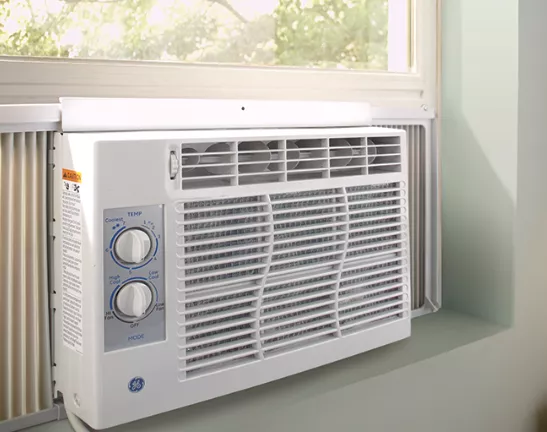
Credit: www.premium-electric.ca
Monitoring Pressure Levels
Reading the gaugesis key to check pressure levels in the unit. Attach the manifold gauges to the service ports. The low-pressure gaugeshows suction pressure, while the high-pressure gaugeshows discharge pressure. These numbers tell if the refrigerant charge is correct.
Adjusting the chargemeans adding or removing refrigerant. Add refrigerant if pressure is too low. Remove refrigerant if pressure is too high. Use small amounts at a time. Watch the gauges closely. Stop once pressures match the unit’s specs.
- Ensure the unit is off before connecting gauges
- Open valves slowly to avoid damage
- Check pressure readings at normal operating temperature
- Wear safety gear to protect from refrigerant leaks
Final Checks
Test the unit by turning it on and checking if it cools properly. Listen for any strange noises or vibrations. Ensure the fan runs smoothly and the thermostat works. Watch the temperature drop inside the room.
Seal the service valve tightly to prevent leaks. Use a wrench to close the valve snugly. Check for any signs of escaping refrigerant gas. Tight sealing keeps the unit running efficiently and safely.
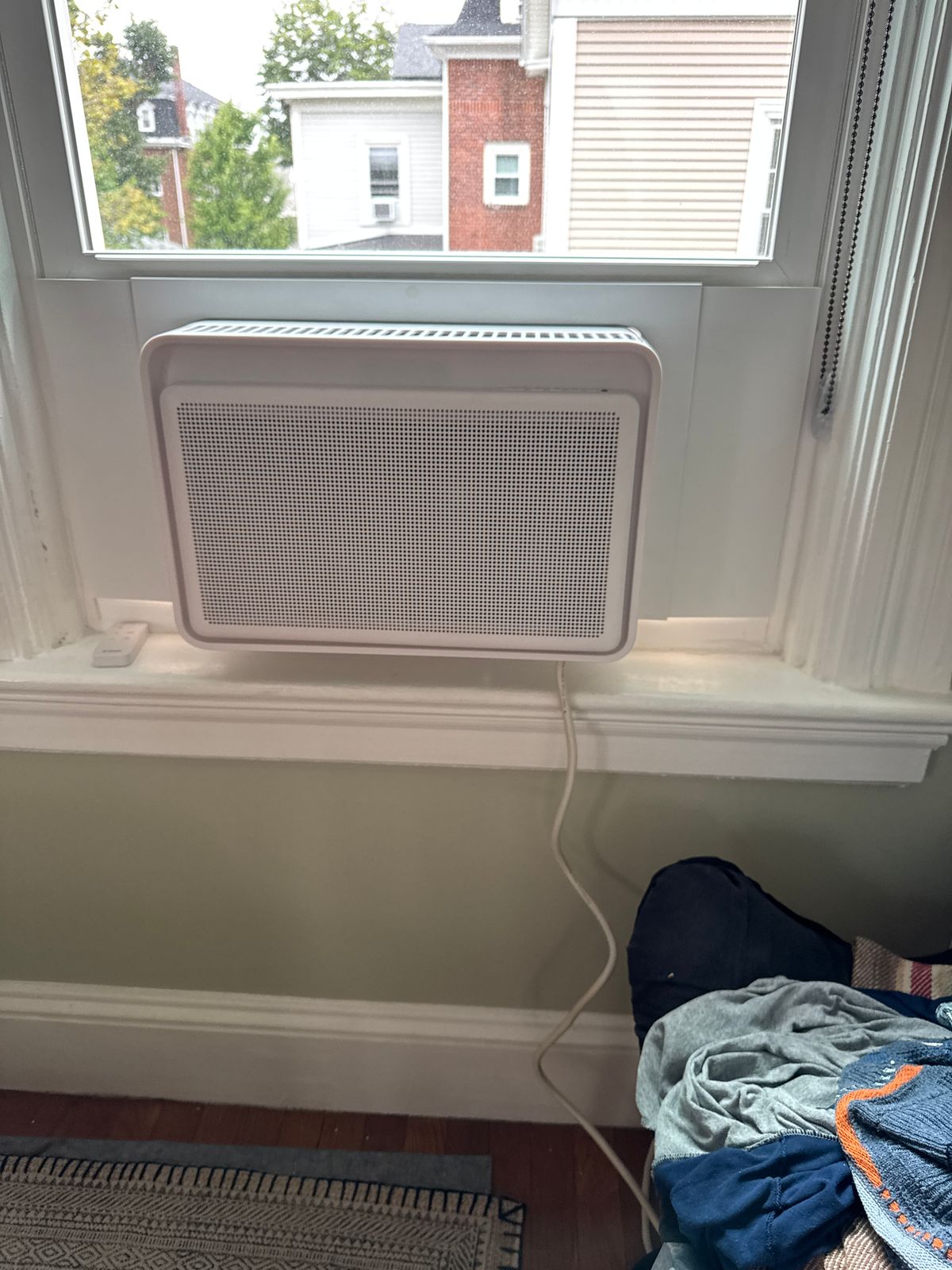
Credit: windmillair.com
Common Mistakes To Avoid
Overcharginga window unit air conditioner can cause serious damage. Too much refrigerant makes the system work harder. This leads to higher energy billsand shorter unit life. Always check the manufacturer’s recommended levels. Using a gauge helps ensure the right amount is added.
Ignoring leaks is another common mistake. Leaks reduce cooling power and waste refrigerant. Look for oily spots or hissing sounds around the unit. Fix leaks before adding refrigerant. Otherwise, the problem will come back quickly.
- Check refrigerant levels carefully.
- Use proper tools like pressure gauges.
- Inspect unit for leaks before charging.
- Repair leaks promptly to avoid waste.
- Follow safety guidelines to prevent accidents.
Frequently Asked Questions
Can You Charge A Window Ac Unit Yourself?
Yes, you can charge a window AC unit yourself. First, ensure you have the necessary tools and refrigerant. Follow the manufacturer’s guidelines and safety precautions. If unsure, consult a professional technician for assistance. Regular maintenance can prevent the need for frequent recharging.
What Tools Are Needed To Charge A Window Ac?
To charge a window AC, you’ll need a refrigerant gauge set, the correct type of refrigerant, and safety gear like gloves and goggles. Ensure you have a leak detector and a vacuum pump to maintain efficiency and safety during the process.
How Often Should A Window Ac Be Charged?
A window AC unit typically doesn’t need frequent charging. If properly maintained, it can run efficiently for years without recharging. However, if cooling efficiency decreases, check for leaks or other issues before deciding to recharge.
What Refrigerant Is Used For Window Ac Units?
Most window AC units use R-410A or R-22 refrigerant. Check your unit’s specifications to confirm the correct type. Using the wrong refrigerant can damage the system and reduce efficiency. Always follow manufacturer recommendations for the best results.
Conclusion
Charging a window unit air conditioner is easier than it seems. Follow each step carefully and take safety seriously. Check your unit’s manual for the right type of refrigerant. Use proper tools and avoid overcharging the system. Keep your space clean and work slowly.
Regular maintenance helps your air conditioner run better. Doing this can save money on repairs and energy. Stay patient and ask for help if unsure. Your cool, comfortable home is worth the effort.