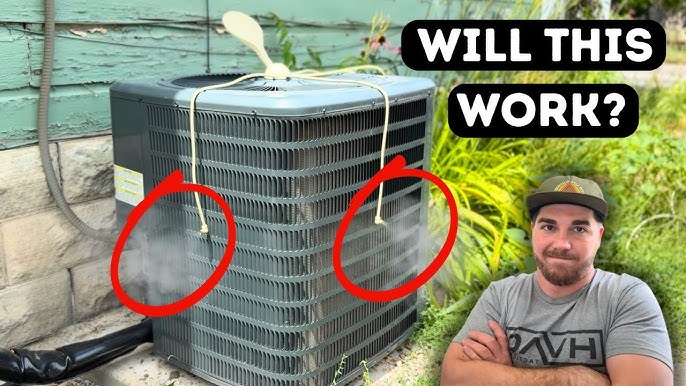
Is your air conditioner not cooling like it used to? You might be dealing with low refrigerant levels, and knowing how to charge your air conditioner at home can save you time and money.
Imagine enjoying cool, refreshing air without waiting for a costly repair visit. In this guide, you’ll learn simple steps to recharge your AC safely and effectively. Keep reading to take control of your comfort and keep your home cool all season long.
Safety Precautions
Always wear protective gloves and goggles before starting.
Make sure the air conditioner is unplugged from power.
Work in a well-ventilated area to avoid gas buildup.
Use the correct refrigerant type for your air conditioner model.
Check for leaks using a leak detector before charging.
- Never overcharge the system; it can cause damage.
- Keep away from open flames or sparks.
- Follow manufacturer instructions carefully.
- Dispose of any old refrigerant properly.
Gathering Necessary Tools
To charge an air conditioner, gather the right toolsfirst. You will need a refrigerant gauge setto check pressure levels. A vacuum pumphelps remove air and moisture from the system. Use a refrigerant canistersuitable for your AC model. Safety gear like glovesand safety glassesprotect you during the process. A wrench setis handy to open service ports. Make sure you have a leak detectorto find any gas leaks. Keep a manual or guidefor your AC unit nearby. Having all these tools ready will make the job easier and safer.
Identifying The Refrigerant Type
Check the air conditioner’s labelor user manual first. It shows the type of refrigerantused. Common types include R-22and R-410A. Using the wrong refrigerant can damage your AC system.
The refrigerant type is often printed on the outdoor unitor near the service valve. It may also be on the nameplateinside the unit’s access panel.
- Look for a sticker or metal plate with model info
- Find the refrigerant code (e.g., R-22, R-410A)
- Note the pressure and temperature limits if available
Knowing the refrigerant type helps you buy the correct recharge kit. It also ensures safe and proper charging of your AC system.
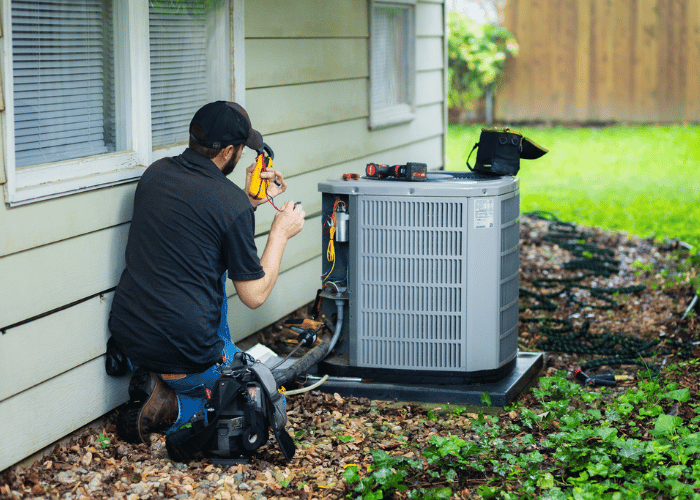
Credit: cutradeservices.com
Locating The Service Ports
The service portson an air conditioner are where you connect gauges and hoses. They are usually small, round valves.
Two types exist: low-pressureand high-pressureports. Each port has a different size and position.
- The low-pressure portis often found on the larger copper tube.
- The high-pressure portis on the smaller copper tube.
- Both ports have caps that may be colored: blue for low pressure and red for high pressure.
Locate these ports outside near the unit. They are near the compressor or the condenser coils. Proper identification is crucial for safe charging.
Checking For Leaks
Check for leaksbefore charging your air conditioner. Leaks cause loss of refrigerant and reduce cooling power.
Use soapy water on pipes and joints. Bubbles show where gas escapes. Listen carefully for hissing sounds near connections.
Seal small leaks with special tapeor sealant. For bigger leaks, call a professional technician.
Never charge an AC with leaks. It wastes refrigerant and harms the environment.

Credit: www.youtube.com
Connecting The Gauges
First, turn off the air conditioner and unplug it from power.
Attach the gauge set hoses to the service ports on the AC unit.
- Connect the blue hose to the low-pressure port.
- Connect the red hose to the high-pressure port.
- The yellow hose is for adding refrigerant.
Make sure connections are tight to avoid leaks.
Check that valves on the gauge set are closed before proceeding.
Charging The System
Check the pressure levelson the air conditioner using a gauge. Low pressure means the system needs more refrigerant. High pressure can damage the unit.
Connect the gauge to the service port. Read the pressure and compare it to the recommended levels in the manual. Use the correct gauge for your refrigerant type.
- Wear safety glasses and gloves before starting.
- Use the right refrigerant specified for your AC.
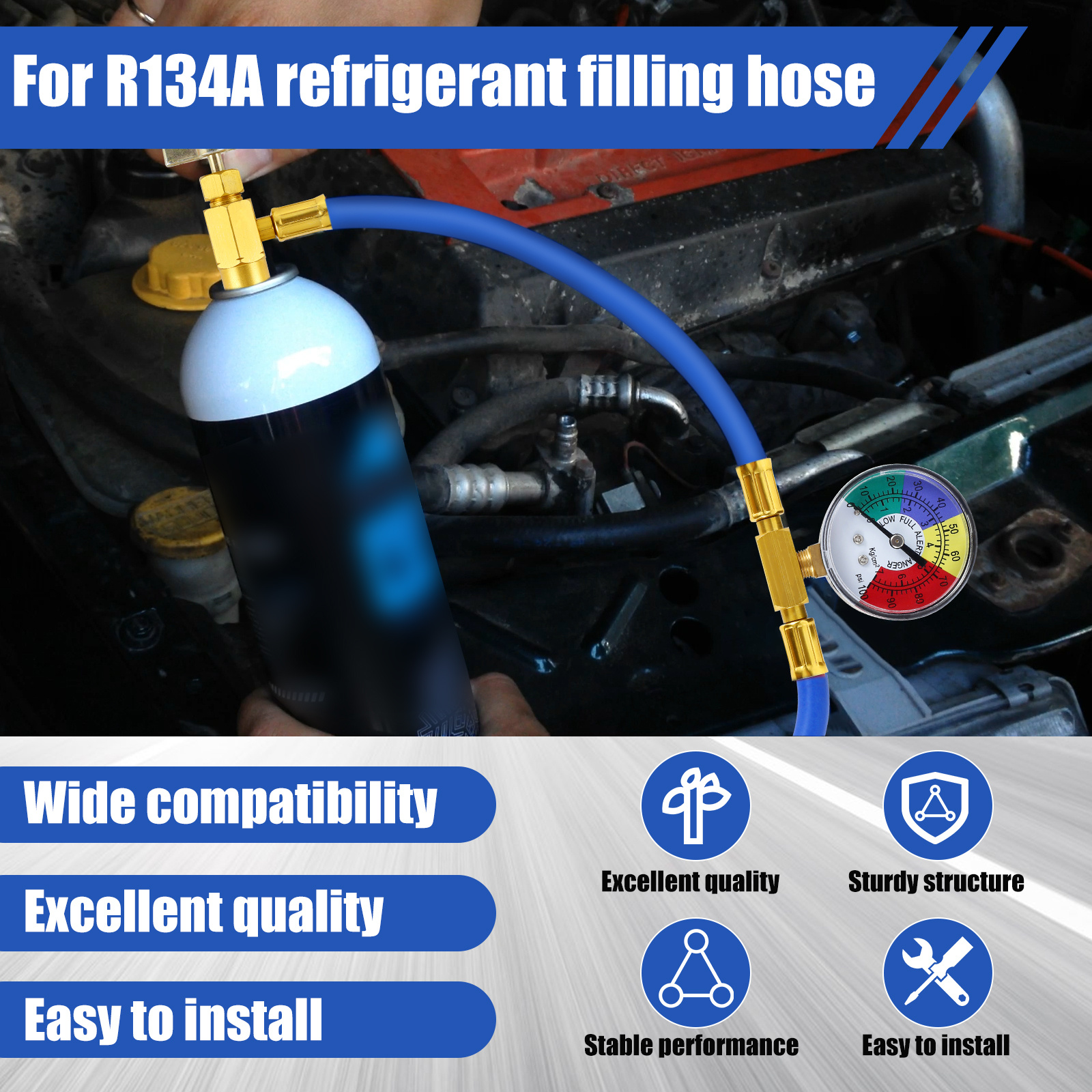
- Attach the refrigerant can to the charging hose.
- Open the valve slowly to add refrigerant.
- Watch the gauge and stop when pressure is correct.
Do not overcharge. Overcharging causes poor cooling and damage. After adding refrigerant, check the system for leaks and proper function.
Testing The Air Conditioner
Testing the air conditioner helps ensure optimal performance. Start by running the unit for about 15 minutes. Check if the air feels cool and steady. A sudden drop in cooling may mean low refrigerant.
Observe the airflow from the vents. It should be consistent and strong. Weak airflow could suggest a clogged filter or fan issue. Listen for unusual sounds like rattling or hissing. These sounds might indicate a problem inside.
Use a thermometer to measure the temperature difference. Place it near the vent and compare to room temperature. A good air conditioner usually cools air by 15-20 degrees Fahrenheit.
| Check | What to Look For |
|---|---|
| Air Temperature | Cool air, 15-20°F below room temperature |
| Airflow | Strong and steady from vents |
| Sounds | No rattling or hissing noises |
| Run Time | Unit should run smoothly for 15 minutes |
Maintaining The System
Regular inspectionshelp keep the air conditioner working well. Check for leaks, dirt, or damaged parts. Clean the filters often to improve airflow. Look at the coils to make sure they are not dirty or rusty. Tighten any loose screws or wires. This prevents small problems from becoming big ones.
Proper storage of toolsis important for safety and easy access. Keep tools in a dry place to stop rust. Use a toolbox or organizer to avoid losing parts. Label each tool to find it quickly. Store electrical items away from moisture. This helps in smooth and safe maintenance.
Credit: www.temu.com
Frequently Asked Questions
How Do I Know When To Recharge My Ac At Home?
You should recharge your AC if cooling weakens or ice forms on coils. Check for unusual noises or leaks. Regular maintenance helps detect low refrigerant early.
Can I Charge My Air Conditioner Without A Professional?
Charging an AC requires proper tools and knowledge. DIY attempts risk damage or leaks. It’s best to hire a certified technician for safe, effective recharging.
What Type Of Refrigerant Is Used In Home Ac Units?
Most home AC units use R-410A or R-22 refrigerants. Check your unit’s label for the exact type. Using the correct refrigerant ensures optimal cooling and compliance with regulations.
How Much Does It Cost To Recharge A Home Ac?
Recharging costs vary by location and AC size. On average, expect $150 to $300. Costs include refrigerant, labor, and potential leak repairs.
Conclusion
Charging your home air conditioner helps it cool better and last longer. Always check the model and refrigerant type before starting. Use the right tools and follow safety steps carefully. Regular maintenance keeps your AC running smooth and saves energy.
Small efforts can stop big problems later. Stay safe and cool by keeping your AC charged properly.