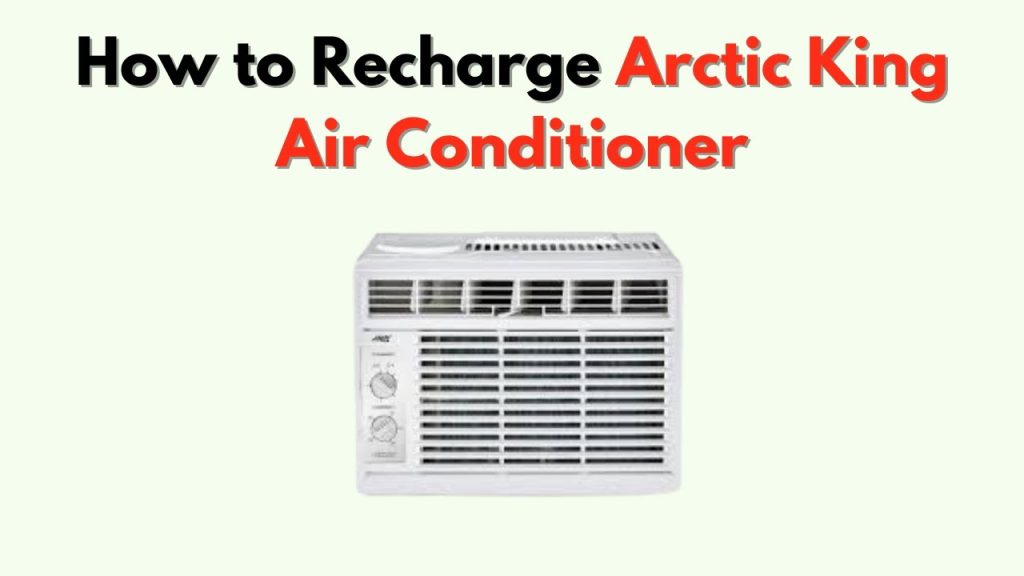
Is your air conditioner not cooling like it used to? You might be dealing with low refrigerant levels, which means it’s time to recharge your AC.
Knowing how to charge an air conditioner yourself can save you money and keep your home comfortable all year round. You’ll discover simple, step-by-step instructions that anyone can follow—even if you’re not a tech expert. Keep reading to learn how to bring your AC back to life and beat the heat without calling a costly technician.
Signs Your Ac Needs Charging
Reduced cooling efficiencyis a clear sign the AC needs charging. The room takes longer to cool down or does not feel cold enough. This happens because the refrigerant level is low. The AC struggles to remove heat from the air.
Unusual noiseslike hissing or bubbling sounds can mean a refrigerant leak. These noises happen near the compressor or coils. Such sounds are not normal and need attention quickly.
Ice formation on coilsshows the refrigerant is not flowing well. Ice can build up on the evaporator coils. This blocks air flow and reduces cooling power. The system may stop working if ice grows too much.

Credit: www.youtube.com
Tools And Materials Required
Refrigerant typesare key for charging an air conditioner. Common types include R-22, R-410A, and R-134a. Each type needs a specific charging method. Using the wrong refrigerant can damage the unit.
Pressure gaugeshelp measure the pressure inside the air conditioner. They show if the system has the right amount of refrigerant. Low or high pressure means the system is not charged properly. Always use gauges that match the refrigerant type.
Safety equipmentprotects you during the charging process. Wear gloves, safety glasses, and a mask. Refrigerants can cause frostbite or breathing problems. Proper safety gear keeps you safe.
Preparing The Air Conditioner
Turn off the air conditionerbefore starting any work. This stops the unit from running and keeps you safe. Make sure the power is off at the main switch or breaker.
Next, find the service ports. These are small valves on the outside unit. They let you connect gauges and hoses to check and add refrigerant.
Check the unit carefully for leaks. Look for oily spots or damage on pipes and fittings. Leaks let refrigerant escape and make the AC less effective. Fix any leaks before charging the unit.

Credit: www.acservicetech.com
Step-by-step Charging Process
Connect the gauges to the air conditioner’s service ports carefully. Make sure the connections are tight and secure. Use the correct gauge set for your AC unit to avoid damage. This helps in reading the pressure accurately.
Release refrigerant slowly if needed. This step requires caution. Only release the refrigerant if the system needs more charge or has air inside. Avoid letting too much refrigerant escape. It can harm the environment and the AC system.
Monitor the pressure levels closely during charging. Compare the readings with the manufacturer’s recommended pressure range. Keep the pressure steady and avoid overcharging. Proper pressure ensures the AC runs efficiently and cools well.
Safety Tips During Charging
Refrigerants are harmful and must be handled with care and proper equipment. Always wear gloves and gogglesto protect your skin and eyes. Avoid touching refrigerants directly.
Electric parts can cause shocks or fires. Make sure the air conditioner is unpluggedbefore starting. Use tools with insulated handlesto reduce risks.
Charging areas must have good airflow. This helps to prevent the build-up of toxic gases. Never charge indoors without ventilation.
- Wear protective gear for refrigerants
- Unplug unit before working
- Use insulated tools
- Charge in well-ventilated spaces
Post-charging Checks
Test the air conditioner’s cooling by feeling the air from the vents. The air should be cool and steady. Check the thermostat settings to confirm the unit is set to cool mode.
Look closely for any signs of leaksaround the charging ports and hoses. Use soapy water on connections to spot bubbles indicating leaks. Tighten fittings as needed to stop leaks.
Clean any spilled refrigerant or dirt around the unit to keep it safe. Wipe down surfaces and remove tools and debris. Proper cleanup helps maintain the unit’s performanceand safety.
When To Call A Professional
Complex repairs need special tools and skills. Handling refrigerant requires care. Professionals know how to fix parts safely. Mistakes can cause damage or injury.
Severe leaks cause loss of cooling power. They can harm the environment. Professionals find leaks quickly and fix them well. This helps your air conditioner work better.
| Regulatory Compliance |
|---|
| Handling refrigerants needs following strict laws. |
| Professionals have licenses and training to meet rules. |
| This avoids fines and protects the environment. |
Credit: m.youtube.com
Frequently Asked Questions
How Do I Know My Ac Needs Charging?
If your AC isn’t cooling properly, it might need a charge. Check for warm air from vents or frequent cycling. Low refrigerant levels can cause these issues. A professional can measure refrigerant levels accurately. Regular maintenance can prevent these problems and ensure efficient operation.
What Tools Are Needed To Charge An Ac?
Charging an AC requires a gauge set, refrigerant, and safety equipment. Use a manifold gauge set to measure pressure. You’ll also need the correct type of refrigerant for your system. Always wear safety goggles and gloves. It’s recommended to have a professional handle AC charging for safety.
Can I Charge My Ac Myself?
Charging an AC yourself is not recommended. It requires specialized tools and knowledge. Incorrect charging can damage your system or void warranties. Professionals ensure proper refrigerant levels and system function. They also follow environmental regulations. Hiring a qualified technician is the safest and most effective option.
How Often Should Ac Be Recharged?
Air conditioners typically don’t need regular recharging. If you find leaks or cooling issues, your AC might need charging. Leaks should be fixed before adding refrigerant. Regular maintenance can help identify potential problems early. Always consult a professional for advice on AC maintenance and recharging.
Conclusion
Charging an air conditioner helps it run cool and save energy. Always check the manual for the right type and amount of refrigerant. Use proper tools and follow safety steps to avoid accidents. Regular maintenance keeps your AC working longer and better.
Small efforts can lower bills and keep your home comfortable. Take your time and do it right for the best results.