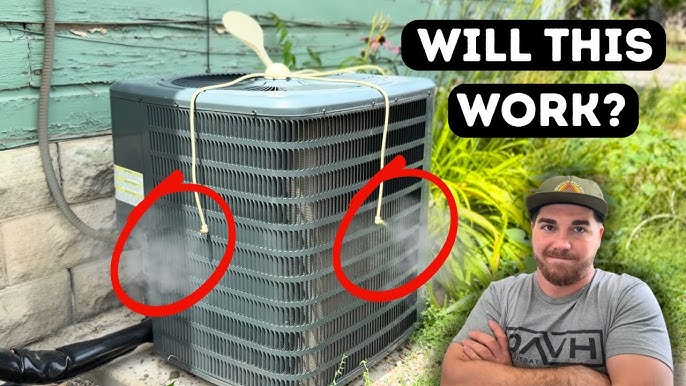
Is your R410A air conditioner not cooling as well as it used to? You might need to recharge it to get that refreshing chill back.
Charging your AC with the right amount of R410A refrigerant is crucial for its performance and efficiency. But how do you do it safely and correctly without causing damage? You’ll discover simple, step-by-step guidance on how to charge your R410A air conditioner the right way.
Keep reading to learn the easy tips that will save you time, money, and frustration.

Credit: www.youtube.com
Preparing For Charging
Charging an R410A air conditioner needs careful preparation. It helps ensure safety and proper system function.
Before starting, check the tools and system. Follow safety rules to avoid accidents or damage.
Safety Precautions
Work in a well-ventilated area. Wear protective gloves and goggles to avoid injury. Do not smoke or use open flames near refrigerant. Keep a fire extinguisher nearby. Avoid skin or eye contact with the refrigerant. Use tools and equipment approved for R410A.
Required Tools And Equipment
- Manifold gauge set rated for R410A
- Vacuum pump to remove air and moisture
- Refrigerant cylinder labeled R410A
- Leak detector to find leaks
- Protective gloves and safety glasses
- Thermometer for temperature checks
Checking System Compatibility
| Component | Compatibility Check |
|---|---|
| Compressor | Verify it supports R410A refrigerant type |
| Piping | Check for correct size and pressure rating |
| Seals and O-rings | Use materials resistant to R410A refrigerant |
| Expansion valve | Confirm it is designed for R410A |
Identifying Refrigerant Levels
Checking refrigerant levels is important for your R410A air conditioner’s performance. Low or high refrigerant can cause problems. You need to use the right tools and know what the readings mean.
This guide covers how to use pressure gauges, read the pressure values, and find leaks in the system.
Using Pressure Gauges
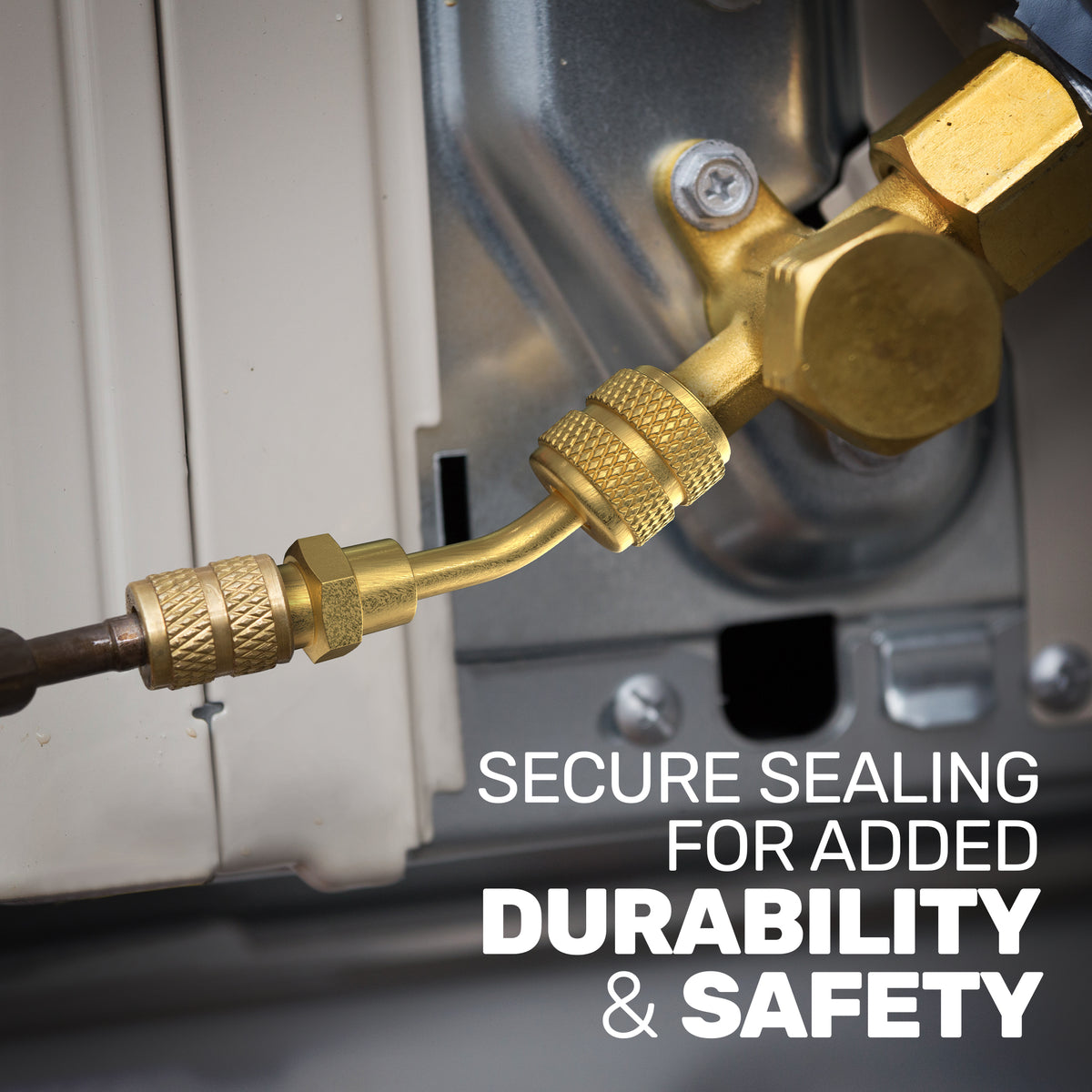
Pressure gauges measure the pressure inside your air conditioner’s refrigerant lines. You need a set made for R410A refrigerant. Connect the gauges to the service ports carefully to get accurate readings.
- Attach the blue gauge to the low-pressure port.
- Attach the red gauge to the high-pressure port.
- Make sure all connections are tight to avoid leaks.
- Turn on the air conditioner and watch the gauge readings.
Interpreting Pressure Readings
Pressure readings show if the refrigerant level is correct. Use the outdoor temperature to check if your pressures are normal. Too low or too high pressure means a problem.
| Outdoor Temperature (°F) | Low Side Pressure (psi) | High Side Pressure (psi) |
|---|---|---|
| 60 | 90 – 100 | 200 – 230 |
| 80 | 110 – 120 | 280 – 320 |
| 100 | 130 – 140 | 350 – 380 |
Detecting Refrigerant Leaks
Leaks cause low refrigerant levels. Finding leaks early saves your air conditioner and money. Use these methods to spot leaks.
- Look for oily spots on pipes or connections.
- Use a refrigerant leak detector tool near fittings and coils.
- Listen for hissing sounds that show escaping gas.
- Apply soapy water to joints; bubbles mean leaks.
Charging Methods
Charging an R410A air conditioner requires accuracy and care. Proper charging helps the system work efficiently and last longer.
This guide explains three common charging methods. They are weighing refrigerant, charging by pressure, and charging by superheat and subcooling.
Weighing Refrigerant
Weighing refrigerant is the most precise charging method. It uses a scale to add the exact amount of refrigerant the system needs.
- Connect the refrigerant tank to the scale.
- Note the weight before charging.
- Add refrigerant while watching the scale.
- Stop when the recommended charge weight is reached.
Charging By Pressure
Charging by pressure uses gauges to read system pressure. This method is easier but less accurate than weighing.
| System Condition | Low Side Pressure (PSIG) | High Side Pressure (PSIG) |
| Cooling Mode | 120-140 | 400-450 |
| Idle Mode | 70-80 | 150-200 |
Use these pressure ranges as a guide. Adjust the refrigerant until pressures fall in the correct range.
Charging By Superheat And Subcooling
This method measures temperature differences to fine-tune refrigerant charge. It helps achieve better system efficiency.
Superheatis the temperature of vapor refrigerant above its boiling point at low pressure.
Subcoolingis the temperature of liquid refrigerant below its condensation point at high pressure.
- Measure suction line temperature and pressure to find superheat.
- Measure liquid line temperature and pressure to find subcooling.
- Adjust refrigerant until superheat and subcooling match the manufacturer’s specs.

Credit: tryonmfg.com
Step-by-step Charging Process
Charging an R410A air conditioner requires care and the right tools. This guide shows how to do it safely.
Follow these steps to connect hoses, add refrigerant, and check system performance.
Connecting Charging Hoses
First, connect the charging hoses to the air conditioner and refrigerant tank. Use the correct ports.
Make sure all connections are tight to avoid leaks during charging.
- Attach the blue hose to the low-pressure port on the AC unit.
- Attach the red hose to the high-pressure port.
- Connect the yellow hose to the refrigerant tank.
- Check all hose valves are closed before opening the tank.
Adding Refrigerant Properly
Open the refrigerant tank valve slowly. Add R410A refrigerant through the yellow hose to the low-pressure side.
Do not add refrigerant too fast. Watch pressure gauges to stay within safe limits.
- Start with the AC unit off.
- Open the low-pressure side valve on the manifold gauge.
- Open the refrigerant tank valve slowly.
- Let refrigerant flow until the correct pressure is reached.
- Close valves and disconnect hoses carefully.
Monitoring System Performance
After charging, turn on the air conditioner. Watch pressure and temperature to check performance.
Ensure the system runs smoothly without unusual noises or leaks.
- Check high and low side pressures with gauges.
- Measure the temperature difference between inlet and outlet air.
- Listen for any hissing or strange sounds.
- Look for any signs of refrigerant leaks.
Common Mistakes To Avoid
Charging an R410A air conditioner correctly is important for its performance. Many people make simple mistakes that can cause problems.
Knowing what to avoid helps keep your air conditioner running well and saves money on repairs.
Overcharging And Undercharging
Putting too much refrigerant in the system is called overcharging. It can cause the compressor to fail early. Too little refrigerant, or undercharging, makes the air conditioner work harder.
Both overcharging and undercharging reduce cooling power and increase energy use. Check the system’s specifications and use gauges to add the right amount.
- Overcharging can cause high pressure and damage parts
- Undercharging leads to poor cooling and frost on coils
- Use proper tools to measure refrigerant accurately
- Follow manufacturer guidelines for correct charge levels
Ignoring Leak Repairs
Leaks let refrigerant escape and lower system pressure. Ignoring leaks means you lose refrigerant quickly. This causes the air conditioner to fail and wastes money on refills.
Always find and fix leaks before charging the system. Use a leak detector or soapy water to check connections and coils.
- Leaks reduce cooling efficiency
- They can damage the compressor over time
- Fix leaks with proper seals or part replacements
- Test the system for leaks after repair
Improper Handling Of Refrigerant
R410A refrigerant must be handled carefully. Touching it without protection can cause frostbite. Releasing it into the air harms the environment. Use proper tools and safety gear when charging.
Never mix R410A with other refrigerants. Use dedicated equipment and follow safety rules to avoid accidents.
- Wear gloves and eye protection
- Use only equipment made for R410A
- Do not release refrigerant into the air
- Store refrigerant cylinders upright and secure
Maintaining Your Air Conditioner
Keeping your R410A air conditioner in good shape saves energy and money. Regular care helps it cool better and last longer.
Simple maintenance tasks can prevent big problems. Learn how to check and clean your system and when to call a professional.
Regular System Checks
Check your air conditioner often to spot problems early. Look for leaks, strange noises, or weak airflow.
Inspect the outdoor unit for dirt or damage. Make sure nothing blocks the airflow around it.
- Look for ice or frost on the coils
- Listen for unusual sounds from the compressor
- Check that all electrical connections are secure
- Ensure the thermostat works correctly
Cleaning And Replacing Filters
Dirty filters reduce airflow and make the system work harder. Clean or replace filters every 1 to 3 months.
Use a vacuum or wash reusable filters with water. Let them dry completely before putting them back.
- Remove the filter carefully
- Vacuum or rinse with water
- Allow the filter to dry fully
- Replace if damaged or worn out
Scheduling Professional Servicing
Hire a professional technician once a year to service your air conditioner. They check refrigerant levels and clean inside parts.
Experts find hidden issues and recharge the R410A refrigerant safely. This keeps your system efficient and extends its life.
- Check refrigerant charge and refill if needed
- Clean evaporator and condenser coils
- Test electrical components and controls
- Inspect drainage and clear clogs
Credit: tryonmfg.com
Frequently Asked Questions
How Do I Charge An R410a Air Conditioner Safely?
To charge an R410A AC safely, use proper gauges and wear protective gear. Avoid overcharging to prevent damage. Follow manufacturer guidelines closely and ensure no leaks exist before charging.
What Tools Are Needed To Charge R410a Ac Units?
You need a manifold gauge set, refrigerant cylinder, vacuum pump, and a scale. These tools ensure accurate measurement and safe refrigerant handling during charging.
Can I Use R22 Charging Methods For R410a Ac?
No, R410A operates at higher pressure than R22. Use tools and techniques specifically designed for R410A to avoid equipment damage and safety risks.
How Much R410a Refrigerant Does My Ac Need?
Check your AC’s nameplate or manual for exact refrigerant charge amount. Correct charging ensures optimal performance and prevents compressor damage.
Conclusion
Charging an R410A air conditioner needs care and the right tools. Always check the manufacturer’s guide for correct pressure and amount. Use a gauge to avoid adding too much refrigerant. Doing it slowly helps the system work well and last longer.
Safety matters—wear gloves and eye protection. With patience and the right steps, your AC will cool your home efficiently. Practice makes it easier each time you charge the unit.