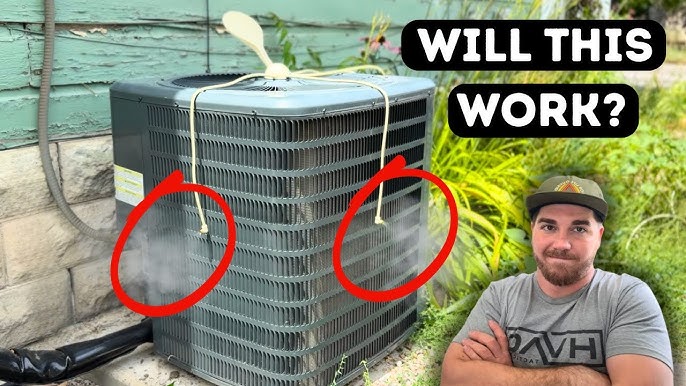
Is your air conditioner not cooling like it used to? You might need to charge it with refrigerant to bring back its full power.
Knowing how to charge the air conditioner yourself can save you time and money. But it’s important to do it right to avoid damage or safety risks. In this guide, you’ll learn simple steps to recharge your AC safely and effectively.
Keep reading to make sure your home stays cool and comfortable all summer long.
Signs Your Ac Needs Charging
Your air conditioner may need charging if it does not cool well. Low refrigerant can cause problems.
Check for warning signs to know when to recharge your AC. This helps keep it working well.
Reduced Cooling Efficiency
If your AC blows warm air or cools slowly, it may need charging. Low refrigerant reduces cooling power.
You might feel less cool air even when the unit runs for a long time. This means it can’t cool properly.
Unusual Noises
Strange sounds from your AC can mean low refrigerant levels. The compressor may make noise when struggling.
Listen for hissing, bubbling, or clicking sounds. These noises show the system may need a recharge.
Ice Formation On Units
Ice on the AC’s coils or pipes is a sign of low refrigerant. The system freezes because it can’t cool properly.
Look for frost or ice buildup on the outdoor or indoor unit. This means your AC needs charging soon.
Tools And Materials Needed
Charging an air conditioner requires the right tools and materials. Using proper equipment helps the process go smoothly and safely.
Below are the main items you will need to check before starting to charge your air conditioner.
Refrigerant Types
Different air conditioners use different refrigerants. It is important to know the type your system needs before charging.
- R-22: Older systems use this refrigerant but it is being phased out.
- R-410A: Common in newer air conditioners and more eco-friendly.
- R-32: A newer option with better energy efficiency.
Pressure Gauges
Pressure gauges show the pressure inside the AC system. They help measure how much refrigerant is inside.
| Gauge Type | Use |
| Low-pressure gauge | Measures suction side pressure |
| High-pressure gauge | Measures discharge side pressure |
| Manifold gauge set | Connects to both sides for full system check |
Safety Gear
Safety gear protects you during the charging process. Always wear the right gear to avoid injuries.
- Safety goggles to protect your eyes from refrigerant gas.
- Gloves to avoid skin contact with cold refrigerant.
- Long sleeves to protect your arms.
- Respirator mask if working in a poorly ventilated area.
Preparing The Air Conditioner
Charging an air conditioner is a task that needs care and attention. Before you add refrigerant, you must prepare the unit properly.
This guide covers important steps to get your air conditioner ready for charging. Follow each part carefully to avoid damage.
Turn Off Power
Always turn off the power before working on the air conditioner. This step protects you from electric shock and prevents damage.
Locate the circuit breaker or disconnect switch and switch it off. Confirm the unit is not running before you proceed.
Locate Service Valves
Find the service valves on the outdoor unit. These valves control the flow of refrigerant in the system.
Usually, the valves are near the compressor or on the refrigerant lines. You need to connect your gauges to these valves.
- Locate the low-pressure valve (larger pipe)
- Locate the high-pressure valve (smaller pipe)
- Ensure valves are clean and accessible
Check For Leaks
Before charging, inspect the unit for refrigerant leaks. Leaks reduce efficiency and harm the environment.
Look for oil stains or damage on pipes and connections. You can also use a leak detector or soapy water to spot leaks.
- Visually inspect all refrigerant lines
- Apply soapy water on joints and valves
- Watch for bubbles that indicate leaks
- Fix leaks before adding refrigerant

Credit: www.youtube.com
Steps To Recharge The Ac
Recharging your air conditioner helps it cool better. It involves adding refrigerant safely and correctly. Follow these steps to recharge your AC.
Make sure you have the right tools and safety gear before starting. Always work carefully to avoid damage or injury.
Attach Pressure Gauges
First, connect the pressure gauges to your AC unit. These gauges measure the pressure inside the system. They help you know when to add refrigerant.
Attach the gauges to the low and high pressure ports. Check the gauge readings to understand the current pressure.
Remove Caps And Connect Hose
Remove the caps from the AC’s service ports. This gives access to the refrigerant lines. Be careful not to damage the caps.
Connect the hose from the refrigerant can to the low-pressure port. Make sure the connection is tight to avoid leaks.
Add Refrigerant Carefully
Open the valve on the refrigerant can slowly. Let the refrigerant flow into the AC system. Watch the pressure gauges as you add refrigerant.
Do not add too much refrigerant. Overcharging can harm the AC. Stop adding when the pressure is in the correct range.
Monitor Pressure Levels
Keep an eye on the pressure gauges during and after charging. Proper pressure ensures the AC works well. Adjust if the pressure is too high or low.
- Low pressure means more refrigerant is needed
- High pressure may indicate overcharging or system issues
- Check manufacturer guidelines for correct pressure levels
Post-charging Checks
After charging your air conditioner, it is important to perform some checks. These ensure the system works safely and efficiently.
Follow these steps carefully to confirm your air conditioner is ready to use.
Restore Power And Test
Turn the power back on to the air conditioning unit. Check that the system starts up without any unusual sounds or errors.
- Switch the main power supply back on.
- Turn on the air conditioner using the remote or control panel.
- Listen for any strange noises like hissing or rattling.
- Observe if the unit powers up smoothly.
- If the unit does not start, turn off power immediately and inspect connections.
Check Cooling Performance
Measure the temperature difference between the air intake and the output vents to check cooling.
| Test Item | Expected Result |
| Air Intake Temperature | Room Temperature |
| Air Output Temperature | At least 15°F (8°C) cooler than intake |
| Cooling Time | Should cool room within 10-15 minutes |
Inspect For Leaks Again
Check all connections and pipes for refrigerant leaks after charging. Use a leak detector or soapy water to find bubbles.
- Spray soapy water on joints and fittings.
- Look for bubbles indicating a leak.
- Use an electronic leak detector if available.
- Tighten or replace any leaking parts immediately.
- Do not use the air conditioner if leaks are found.

Credit: www.youtube.com
Safety Tips And Precautions
Charging an air conditioner requires care and attention to safety. Improper handling can cause damage or injury.
Follow safety tips to protect yourself and your equipment during the charging process.
Avoid Overcharging
Do not add too much refrigerant to the air conditioner. Overcharging can harm the system and reduce cooling efficiency.
- Check the manufacturer’s recommended refrigerant amount.
- Use proper gauges to measure the pressure.
- Charge the system slowly and monitor the pressure levels.
- Stop charging once the correct pressure is reached.
Handle Refrigerants Properly
Refrigerants can be dangerous if mishandled. Use protective gear and work in a ventilated area.
| Safety Tip | Description |
| Wear Gloves and Goggles | Protect skin and eyes from refrigerant exposure. |
| Use Leak Detectors | Find and fix leaks before charging. |
| Work Outdoors or Ventilated Space | Prevent inhalation of harmful gases. |
| Store Refrigerants Safely | Keep containers sealed and away from heat. |
When To Call A Professional
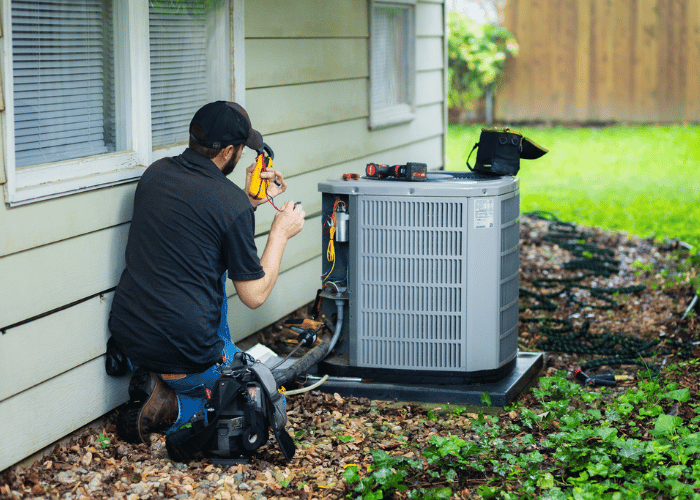
Some tasks need expert skills. Call a professional if you see these signs:
- The system has a major leak.
- You do not have the proper tools or knowledge.
- The air conditioner does not cool after charging.
- You smell gas or hear strange noises.
Credit: cutradeservices.com
Frequently Asked Questions
How Do You Know When To Charge An Air Conditioner?
You should charge your AC if it blows warm air or cools poorly. Low refrigerant levels often cause these issues. Regular maintenance checks can help detect leaks and performance problems early.
What Tools Are Needed To Charge An Air Conditioner?
You need a refrigerant gauge, a vacuum pump, and the correct refrigerant type. Safety gloves and goggles are also essential. Proper tools ensure an accurate and safe charging process.
Can I Charge My Air Conditioner Myself?
Yes, if you have the right tools and knowledge. However, improper charging can damage the system or cause leaks. It’s best to hire a professional for accurate and safe service.
How Much Refrigerant Does An Air Conditioner Need?
The amount depends on the AC model and size. Check the manufacturer’s specifications, usually listed on a label. Overcharging or undercharging reduces efficiency and may damage the unit.
Conclusion
Charging your air conditioner keeps it running smoothly. Follow the steps carefully. Check for leaks before starting. Use the right tools for safety. Wear protective gear always. Keep an eye on pressure gauges. This helps avoid overcharging. Regular maintenance saves money and energy.
It’s important for system efficiency. Professional help is available if needed. Stay cool and comfortable at home. Remember, safety first. Always double-check your work. A little effort goes a long way. Enjoy a cool, refreshing space. Your well-maintained AC makes a difference.
Keep practicing these steps for the best results.