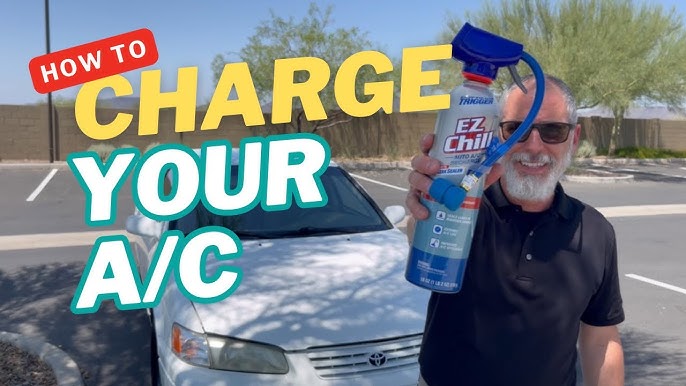
Is your car’s air conditioner not cooling like it used to? You’re not alone.
Many drivers face this problem, especially during hot days when you need that cool breeze the most. The good news is, you don’t always have to rush to a mechanic. You can learn how to charge your air conditioner yourself and get it blowing cold air again.
You’ll discover simple steps and tips that anyone can follow, even if you’re not a car expert. Keep reading, and soon you’ll be driving comfortably without breaking the bank.
Signs Your Car Ac Needs Charging
Reduced cooling efficiencyis a clear sign your car AC needs charging. The air may feel warm or not as cold as before. This happens because the refrigerant level is low.
Unusual noises like hissing or clicking can also mean a problem. These sounds might come from leaks or a failing compressor.
Visible leaks or frost on AC pipes signal a refrigerant leak. Check for oily spots or white frost near the AC lines. These signs show the system is losing refrigerant and needs attention soon.
Tools And Materials Required
A refrigerant canistercontains the cooling gas needed for your car’s air conditioner. It must match your car’s specific type for safety and efficiency.
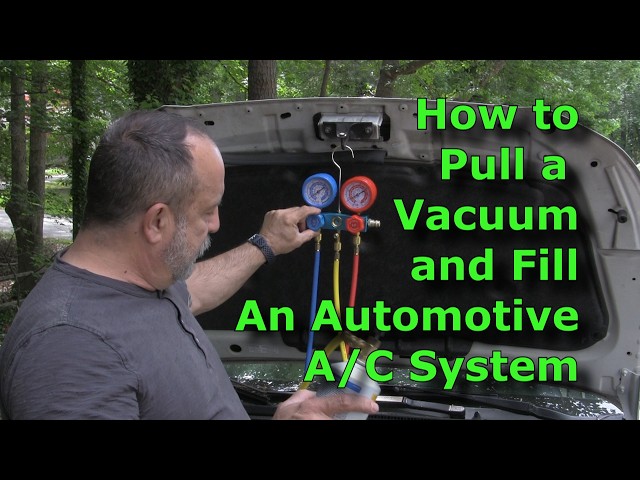
A pressure gaugehelps check the air conditioner’s system pressure. This tool shows if the system needs more refrigerant or has leaks.
Protective gearlike gloves and safety glasses is important. It keeps you safe from refrigerant leaks or accidental splashes during charging.
Safety Precautions Before Starting
Work in a well-ventilated areato avoid inhaling harmful fumes. Fresh air helps keep you safe while charging your car’s air conditioner.
- Avoid open flamesbecause refrigerants can catch fire or explode. Never smoke or light a match nearby.
- Wear safety glasses and glovesto protect your eyes and skin. Refrigerants can cause serious burns and injuries.
Credit: www.youtube.com
Locating The Low-pressure Port
The low-pressure port is key to charging your car’s air conditioner. It is usually smaller than the high-pressure port. You can find both ports under the hood, near the air conditioning lines.
Check the color of the caps. The low-pressure port often has a blue or black cap, while the high-pressure port has a red cap. The size difference helps avoid mistakes.
Using the owner’s manual is very helpful. It shows exact port locations and symbols. The manual also explains how to safely connect the charging hose to the correct port.
Always double-check the port before attaching any equipment. Connecting to the wrong port can cause damage or injury.
Step-by-step Charging Process
Shake the refrigerant canister well before use. Remove the cap carefully. Check the label to confirm the correct type of refrigerant for your car.
Locate the low-pressure port under the car hood. It is usually marked with an “L” or a blue cap. Attach the charging hose securely to this port to avoid leaks.
Squeeze the trigger on the canister slowly to release refrigerant. Keep the engine running and the AC on the coldest setting. Add refrigerant in short bursts to avoid overcharging.
Use a pressure gauge to watch the levels on the low-pressure side. Ideal pressure varies by car model, so check your manual. Stop adding refrigerant when the correct pressure is reached.

Credit: www.youtube.com
Common Mistakes To Avoid
Overcharging the ACcan cause serious damage to the system. Too much refrigerant leads to high pressure, which can break parts. It also makes the AC work harder and less efficient. Always add the right amount of refrigerant.
Using the Wrong Refrigerant Typeis a common error. Different cars need different refrigerants. Using the wrong type can cause leaks and damage the compressor. Check your car’s manual for the correct refrigerant.
Ignoring Leakswastes refrigerant and reduces cooling power. Leaks also harm the environment. Before charging, inspect hoses and connections carefully. Fix leaks promptly to keep the AC working well.
When To Seek Professional Help
Persistent cooling issuesoften signal a deeper problem. If your car’s air conditioner still blows warm air after charging, it may need expert care. Simple charges won’t fix leaks or damaged parts.
Complex repairs neededinclude fixing leaks, replacing compressors, or handling electrical faults. These tasks require special tools and skills. Attempting these repairs yourself can cause more damage or safety risks.
| Legal and Environmental Regulations | Description |
|---|---|
| Refrigerant Handling | Must follow laws on safe refrigerant use and disposal. |
| Certified Technicians | Only licensed professionals can recharge certain refrigerants. |
| Environmental Protection | Improper handling can harm the environment and may cause fines. |
Seeking professional help ensures safety, proper repair, and law compliance. It saves time and prevents costly mistakes.

Credit: www.youtube.com
Frequently Asked Questions
How Do I Know If My Car Ac Needs Charging?
If your car’s AC isn’t cooling effectively, it may need a recharge. Check for weak airflow and unusual noises. A professional can diagnose low refrigerant levels. Regular maintenance helps prevent AC issues and ensure optimal performance.
Can I Charge My Car Ac Myself?
Yes, you can recharge your car AC yourself with a recharge kit. Follow the instructions carefully. Ensure you use the correct refrigerant type for your vehicle. If unsure, seek professional help to avoid potential damage and ensure safety.
What Tools Are Needed To Charge A Car Ac?
You’ll need a refrigerant recharge kit, including a can of refrigerant and a pressure gauge. Safety goggles and gloves are recommended. Some kits come with detailed instructions for convenience. Ensure you have the right tools for a safe and effective recharge.
How Often Should A Car Ac Be Recharged?
Typically, a car AC system should be recharged every two to three years. This depends on usage and system condition. Regular maintenance helps identify issues early. Consult your vehicle manual or a professional for specific recommendations.
Conclusion
Charging your car’s air conditioner keeps you cool on hot days. Always follow safety steps to avoid problems. Check your car’s manual for the right refrigerant type. Use proper tools and measure the pressure carefully. Regularly charging the AC helps it run smoothly and saves money.
Keep your car comfortable and drive with peace of mind. Simple care can make a big difference in AC performance. Stay cool and enjoy every drive.