Is your home air conditioner not cooling like it used to? You might need to recharge it to bring back that refreshing chill.
Charging your AC might sound tricky, but with the right steps, you can do it yourself and save money. You’ll discover simple, clear instructions to get your air conditioner running efficiently again. Keep reading to learn how to take control of your comfort and beat the heat without calling a pro.
Credit: cutradeservices.com
Signs Your Ac Needs Charging
Your air conditioner cools your home by using refrigerant. Over time, the refrigerant level can drop. When this happens, your AC might not work well. Knowing the signs helps you fix the problem early.
Charging your AC means adding more refrigerant. It keeps your unit running smoothly and cools your home better. Watch for these signs to know if your AC needs charging.
Weak Cooling Performance
If your AC blows warm or less cool air than before, it might need charging. Low refrigerant means the unit cannot cool the air properly. You will feel less comfort even if the fan runs.
Check if the cooled area feels warmer than usual. This is a clear sign your AC is low on refrigerant and needs a refill.
Longer Running Time
Your AC may run longer than normal to cool your home. Low refrigerant makes the system work harder. This uses more energy and can increase your bills.
Notice if your AC does not turn off quickly or runs non-stop. This often means it needs more refrigerant to work efficiently.
Ice Formation On Coils
Ice or frost on your AC’s coils shows a refrigerant problem. When levels drop, coils can freeze during operation. Ice blocks airflow and stops proper cooling.
- Look for ice buildup on the indoor coil
- Check if airflow feels weak or blocked
- Turn off the AC if you see ice to avoid damage
Ice on coils means your AC needs service and possibly more refrigerant.
Hissing Or Bubbling Noises
Hissing or bubbling sounds near the AC unit often mean a refrigerant leak. This lowers the refrigerant level and reduces cooling power. These noises are a warning to check your AC soon.
If you hear these sounds, call a professional to inspect and recharge your system safely.
Tools And Materials Required
Charging your home air conditioner needs the right tools and materials. These items help you work safely and correctly.
Using proper equipment also protects your AC system from damage. Here are the main tools and materials you need.
Refrigerant Type Identification
Before charging, know the refrigerant type your AC uses. Different units need specific refrigerants.
Check the label on your air conditioner or the user manual. Common refrigerants include R-22 and R-410A.
- Look for a sticker on the outdoor unit
- Read the user guide for refrigerant details
- Never mix different refrigerant types
Pressure Gauges
Pressure gauges measure the pressure inside the AC system. They help you add the right amount of refrigerant.
Use a gauge set made for your refrigerant type. This tool shows low and high side pressures.
- Connect hoses to the AC service ports
- Read the pressure levels on the gauge
- Adjust refrigerant until pressure is correct
Recharge Kit
A recharge kit contains the refrigerant and tools to refill your AC system. Kits vary by refrigerant type.
Choose a kit that matches your AC’s refrigerant. Follow the instructions carefully to avoid overcharging.
- Includes refrigerant canister
- Pressure gauge and hoses
- Valve for controlled release
Protective Gear
Wear protective gear to stay safe while charging your air conditioner. Refrigerants can be harmful if handled wrong.
Use gloves and safety glasses to protect your skin and eyes. Work in a well-ventilated area.
- Chemical-resistant gloves
- Safety goggles or glasses
- Long sleeves and pants
- Good ventilation or fresh air
Safety Precautions Before Charging
Charging your home air conditioner is a task that needs care and attention. Safety must come first to avoid accidents.
Before starting, you should know important safety steps. These help protect you and your home.
Turning Off Power Supply
Always turn off the power supply to your air conditioner before charging. This prevents electric shocks and damage.
Switch off the main circuit breaker or unplug the unit. Confirm no power is running by using a tester if possible.
Working In A Well-ventilated Area
Make sure the area around your air conditioner is well ventilated. Good airflow helps clear any gas leaks safely.
Open windows or doors to allow fresh air inside. Avoid enclosed spaces to reduce the risk of inhaling harmful gases.
Handling Refrigerants Carefully
Refrigerants are chemicals that cool your air conditioner. Handle them with care to avoid health risks and environmental harm.
Wear gloves and safety glasses. Do not release refrigerants into the air. Use proper tools designed for refrigerant handling.
- Read the refrigerant label and safety instructions
- Store refrigerants in a cool, dry place
- Avoid skin contact and breathing vapors
- Dispose of old refrigerants according to local laws
Step-by-step Charging Process
Charging your home air conditioner means adding refrigerant to the system. This helps the unit cool your home effectively. Follow the correct steps to avoid damage or leaks.
Make sure you have the right tools and refrigerant type before starting. Always wear safety gear and work in a well-ventilated area.
Locating The Service Port
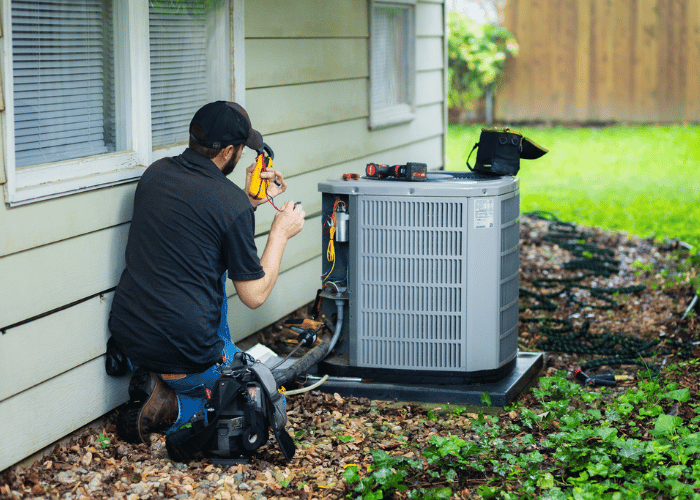
Find the service port on the outdoor AC unit. It is usually near the compressor or along the refrigerant line. The port has a cap labeled “low pressure” or “L”.
Remove the cap carefully. Keep it safe for later. The service port is where you will connect the recharge kit.
Connecting The Recharge Kit
Attach the recharge kit hose to the service port. Make sure the connection is tight. This prevents leaks while charging the system.
Check the recharge kit for any damage before connecting. Use the correct hose for your refrigerant type.
Measuring Pressure Levels
Turn on the AC and let it run for a few minutes. Check the pressure gauge on the recharge kit. This shows the current refrigerant pressure.
- Low pressure means more refrigerant is needed
- High pressure may indicate a problem
- Refer to your AC manual for ideal pressure range
Adding Refrigerant
Open the valve on the recharge kit slowly. Let the refrigerant flow into the system. Watch the pressure gauge closely during this process.
Stop adding refrigerant once the pressure reaches the recommended level. Do not overfill the system, as this can cause damage.
Monitoring System Performance
After charging, watch how the air conditioner cools your home. The system should run smoothly without strange noises or leaks.
Check the temperature of the air coming out of the vents. If it is cooler, your AC is working well. If not, you may need a professional checkup.
Common Mistakes To Avoid
Charging your home air conditioner needs care and attention. Mistakes can cause damage or reduce cooling.
Knowing what to avoid helps keep your system safe and working well for a long time.
Overcharging The System
Adding too much refrigerant can harm your air conditioner. It makes the system work harder and wastes energy.
Overcharging may cause higher pressure inside the system, leading to leaks or compressor failure.
Using Incorrect Refrigerant
Using the wrong type of refrigerant can damage your AC. Each system needs a specific refrigerant type.
Wrong refrigerant lowers cooling and may cause parts to break faster.
Ignoring Leaks
Leaks waste refrigerant and reduce cooling power. They also harm the environment and increase your bills.
Check for leaks before charging. Fix leaks right away to keep your system safe and efficient.
Skipping Professional Help When Needed
Charging an AC is complex and needs special tools. Doing it alone can cause mistakes or injuries.
Call a professional if you are unsure or face problems. They have the skills to charge your system safely.
Tips For Maintaining Your Ac
Keeping your home air conditioner in good shape saves energy and money. Regular care helps it run smoothly all summer long.
Follow these simple tips to maintain your AC and avoid costly repairs.
Regular Filter Cleaning
Clean your AC filter every month to keep air flow strong. A dirty filter makes the AC work harder and use more power.
- Turn off your AC before removing the filter.
- Remove the filter and wash it with warm water and mild soap.
- Let the filter dry completely before putting it back.
- Replace the filter if it is torn or very old.
Checking For Leaks
Leaks in your AC system cause it to lose cooling power. Check pipes and connections for any signs of water or refrigerant leaks.
| Leak Signs | What to Do |
| Wet spots around the unit | Dry the area and find the source of the leak |
| Unusual hissing sounds | Turn off the unit and call a technician |
| Ice forming on pipes | Check refrigerant levels and clean filters |
Scheduling Routine Inspections
Have a professional check your AC at least once a year. Routine inspections find small problems before they become big issues.
- Check electrical connections and tighten if needed.
- Inspect coolant levels and refill if low.
- Test thermostat accuracy and adjust settings.
- Clean coils and fans for better airflow.
- Lubricate moving parts to reduce wear.
When To Call A Professional
Charging a home air conditioner can be tricky. Knowing when to call a professional helps you avoid damage.
Some issues need expert tools and skills. This guide shows signs that require professional help.
Persistent Cooling Issues
If your air conditioner keeps running but does not cool well, it might need a charge. Professionals can find hidden leaks and fix them.
- AC runs constantly but air stays warm
- Rooms have uneven cooling
- Unit freezes up often
- High energy bills without reason
Complex Repairs
Some repairs need special tools and training. Professionals safely handle refrigerants and electrical parts.
| Repair Type | Why Call a Professional |
| Refrigerant Leak Repair | Requires leak detection and safe handling |
| Compressor Replacement | Needs expert installation and testing |
| Electrical Wiring | Risk of shock and fire hazards |
| System Evacuation | Must remove air and moisture before recharge |
Legal And Environmental Concerns
Handling refrigerants requires following laws. Professionals know rules to protect the environment.
Here are reasons to use a certified technician:
- Prevent illegal refrigerant release
- Ensure proper disposal of old refrigerants
- Follow local and federal regulations
- Maintain warranty compliance

Credit: www.youtube.com

Credit: www.youtube.com
Frequently Asked Questions
How Do I Know When My Ac Needs Charging?
Your AC may need charging if it blows warm air or cycles frequently. Low refrigerant causes poor cooling and ice buildup on coils. Check for leaks or call a technician to inspect and recharge your system safely.
What Type Of Refrigerant Does My Home Ac Use?
Most modern home ACs use R-410A refrigerant. Older units may use R-22, which is being phased out. Always check your AC’s label or manual to identify the correct refrigerant before charging or servicing.
Can I Charge My Home Air Conditioner Myself?
Charging an AC requires specialized tools and knowledge. Incorrect charging can damage the system or cause leaks. It’s best to hire a certified HVAC technician for safe and proper refrigerant charging.
How Much Does It Cost To Recharge A Home Ac?
Recharging a home AC typically costs between $150 and $300. The price depends on refrigerant type, leak repairs, and technician rates. Regular maintenance can reduce the need for frequent recharges.
Conclusion
Charging your home air conditioner isn’t complicated with the right guidance. Follow these steps. Safety first. Always turn off the power before starting. Use the correct refrigerant. This ensures efficiency. Check for leaks. They can cause problems. Regular maintenance helps.
It extends the unit’s lifespan. Don’t skip it. If unsure, consult a professional. They can assist. A well-charged unit cools efficiently. It saves energy and money. Enjoy a comfortable home. Stay cool all summer. Your air conditioner works best with regular care.
It’s worth the effort.