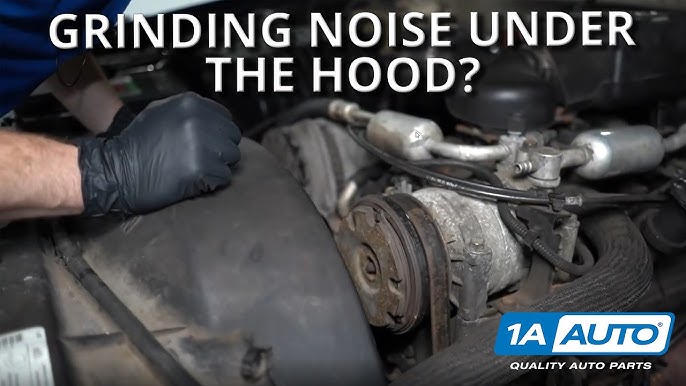
Is your air conditioner not cooling like it used to? The problem might be your compressor, the heart of your AC system.
Knowing how to check an air conditioner compressor yourself can save you time and money on costly repairs. In this guide, you’ll discover simple, step-by-step methods to test your compressor safely and effectively. Keep reading to learn how to protect your comfort and avoid unexpected breakdowns this summer.
Tools And Materials Needed
Gathering the right tools and materialsis key for checking an air conditioner compressor. Essential items include a multimeterto measure electrical values, a screwdriverto open panels, and insulated glovesfor safety. A manifold gauge sethelps check refrigerant pressure. You will also need a wire brushto clean terminals and a flashlightfor better visibility inside tight spaces.
Having a service manualfor your AC model is helpful. It guides you on compressor specs and troubleshooting steps. Keep a notepad and penhandy to note down readings and observations. Make sure all tools are in good condition to avoid any hazards.
Safety Precautions
Always turn off the powerbefore checking the air conditioner compressor. This prevents any electric shocks. Use a voltage testerto ensure no electricity is flowing.
Wear protective glovesand safety glasses. These protect your hands and eyes from sharp parts or refrigerant leaks. Avoid touching any wires or metal parts directly.
Work in a dry area. Wet floors or surfaces increase the risk of slipping or electric shock. Keep tools organized to avoid accidents.
Never open the compressor case unless you have proper training. The inside parts can be dangerous and under pressure.
- Switch off the main power supply
- Use insulated tools
- Check for gas leaks carefully
- Keep children and pets away
Locating The Compressor
The compressoris a key part of the air conditioner. It is usually found outside the house in the condenser unit. This unit looks like a metal box with a fan on top. It sits on a concrete or metal pad.
Look for a large, round cylinder or oval shape inside the metal box. This is the compressor. It connects to copper tubes and electrical wires. The compressor may have a label with model and power details.
Be careful when near the unit. It can be hot or have moving parts. Always turn off powerbefore touching or inspecting anything inside.

Credit: www.acservicetech.com
Inspecting For Physical Damage
Check the compressor bodyfor dents, cracks, or rust. These can stop it from working well.
Look at the wires and terminals. They should not be loose, burnt, or broken.
See if the mounting boltsare tight. Loose bolts can cause noise and damage.
Check the coolant linesattached to the compressor. They must be free of leaks or cracks.
Look for oil stainsaround the compressor. Oil leaks can mean a bad seal.
- Damage on the compressor body
- Loose or broken wires
- Loose mounting bolts
- Leaky or cracked coolant lines
- Oil stains or leaks
Testing Electrical Connections
Use a multimeter to test the electrical connectionsof the air conditioner compressor. First, set the multimeter to the resistance (ohms)mode. Disconnect power from the unit to stay safe.
Check the compressor terminalsby placing the multimeter probes on each terminal. A normal reading shows a specific resistance value, not zero or infinite. Zero means a short circuit; infinite means an open circuit.
Inspect the power supplywires for any loose or damaged connections. Ensure the unit is getting the correct voltage by switching the multimeter to the AC voltagesetting. Place the probes on the power supply terminals.
- Power supply voltage should match the unit’s rating.
- Loose wires can cause compressor failure.
- Replace any frayed or broken wires immediately.

Credit: okmarts.com
Measuring Compressor Resistance
The compressor terminalsusually have three pins. These are called Common (C), Start (S),and Run (R). Check the compressor label or manual to identify them. Use a multimeter set to the resistance (ohms) mode for testing. Touch the meter leads to each pair of terminals.
Look for continuityby checking the resistance values:
- Common to Start:Should show a higher resistance than Common to Run.
- Common to Run:Shows a lower resistance value.
- Start to Run:Has a resistance value equal to the difference between the other two.
If any terminal shows open circuit(no continuity), the compressor may be faulty. Consistent resistance readings suggest the compressor windings are good.
Listening For Unusual Noises
Listen closely to the air conditioner compressor. Unusual noisesoften signal problems. Common sounds include:
- Buzzing– could mean electrical issues.
- Grinding– might show worn parts inside.
- Hissing– can indicate a refrigerant leak.
- Clicking– may point to a faulty relay or capacitor.
Regular humming is normal. Any loud or strange noise needs attention. Turn off the unit before inspecting. Safety first. Use the sounds as clues to spot trouble early.
Checking For Refrigerant Leaks
Look carefully around the compressor for oily spots or stains. These marks can show where refrigerant is leaking. Use a soap and water mix to spray on the suspected areas. Bubbles will form if there is a leak. Listen for a hissing sound which can also indicate a leak.
Using a leak detector tool gives a more precise check. Move the sensor close to the compressor and other parts. The tool will beep or light up if it finds any leaks. Always check the compressor’s connections and joints, as leaks often happen there.
Evaluating Compressor Performance
Check the temperature differencebetween the air coming out and the air going in. A good air conditioner compressor should create a cooling differenceof about 15 to 20 degrees Fahrenheit.
Use a thermometer to measure the air temperatureat the vent and near the intake. If the difference is less than 10 degrees, the compressor may not be working well.
- Measure temperature of air entering the unit
- Measure temperature of air leaving the unit
- Calculate the difference between these two values
- A difference below 15°F can indicate poor compressor performance
When To Call A Professional
Signs that need a professional include strange noises and no cold air.
Compressor not starting or frequent cycling requires expert help.
Leaks or burnt smells around the unit are serious issues.
Professionals have tools to check electrical parts and refrigerant levels.
Trying repairs without knowledge can cause more damage or injury.
Regular service keeps the compressor running longer and saves money.
For safety and proper repair, contact a licensed technician.

Credit: www.youtube.com
Frequently Asked Questions
How Do I Test An Ac Compressor At Home?
To test an AC compressor, first turn off power. Use a multimeter to check continuity on the compressor terminals. No continuity means a faulty compressor. Also, listen for unusual noises when running. These steps help identify compressor issues safely.
What Are Signs Of A Bad Air Conditioner Compressor?
Signs include warm air from vents, loud noises, and frequent cycling. The AC might also fail to start or cause circuit breaker trips. These symptoms often indicate compressor problems needing professional inspection.
Can I Check Ac Compressor Pressure Myself?
Yes, with proper gauges and safety precautions, you can check AC compressor pressure. Connect gauges to service ports and compare readings to manufacturer specs. Incorrect pressure can signal leaks or compressor failure.
How Long Does An Ac Compressor Usually Last?
An AC compressor typically lasts 10 to 15 years with proper maintenance. Regular cleaning, refrigerant checks, and timely repairs extend its lifespan. Neglecting these can shorten its service life significantly.
Conclusion
Checking your air conditioner compressor helps keep your unit working well. You can spot problems early and avoid big repairs. Regular checks save money and keep you cool. Use simple tools and follow safety steps for best results. Remember to turn off power before starting any test.
Knowing how to check your compressor gives peace of mind. Stay comfortable all summer with a well-maintained AC system.