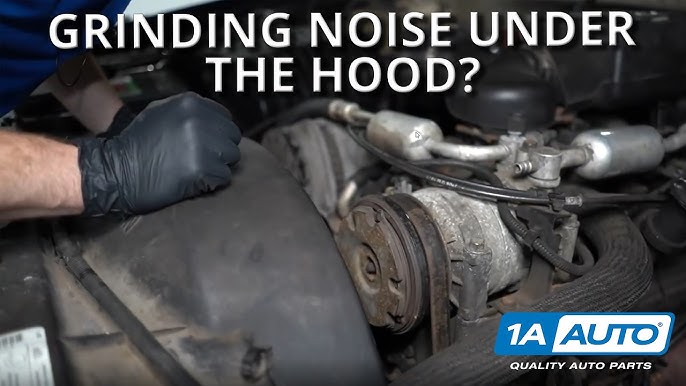
Is your car’s air conditioner not cooling like it used to? The problem might be with your air conditioner compressor.
Knowing how to check your AC compressor can save you time, money, and frustration. You’ll learn simple steps to find out if your compressor is working properly. Whether you’re a car owner or just want to avoid costly repairs, this guide is made for you.
Keep reading to discover how to keep your car’s AC running smoothly and stay cool on the road.
Signs Of A Faulty Ac Compressor
Unusual noiseslike grinding or squealing can mean the AC compressor is faulty. Strange sounds often come from worn-out parts inside the compressor.
Weak airflowfrom the vents means the compressor might not be pushing air well. This causes the AC to cool less efficiently.
Warm air instead of coolis a clear sign that the compressor is not working properly. The compressor helps cool the air, so warm air means a problem.
Compressor clutch issuescan stop the compressor from turning on. If the clutch does not engage or slips, the AC will not cool the car.
Safety Precautions Before Checking
Wear protective gearlike gloves and safety glasses. This stops injuries from sharp parts or chemicals. Protect your eyes and hands at all times.
Disconnect the batterybefore checking the compressor. This avoids electric shocks or short circuits. Always remove the negative cable first.
Work in a well-ventilated area. This helps avoid breathing in harmful fumes. Open windows or use fans to keep air fresh.
Tools Needed For The Check
Multimeteris essential to check electrical parts. It measures voltage and resistance. This helps find if the compressor is getting power.
Manifold Gauge Setchecks the pressure inside the AC system. It shows if the refrigerant levels are good or low. Proper pressure means the compressor works well.
Use Basic Hand Toolslike screwdrivers and wrenches. They help open panels and remove parts safely. These tools make the checking process easier and safer.

Credit: www.youtube.com
Visual Inspection Steps
Check the compressor area carefully for any oil or refrigerant leaks. Leaks may appear as wet spots or stains. These indicate a problem with the seal or hose connections.
Look at the compressor clutch. It should engage smoothlywhen the AC is on. If it is stuck or noisy, the clutch might be worn out or damaged.
Examine the wires and belts connected to the compressor. Check for cracks, frays, or loose connections. Damaged wires or belts can cause the compressor to stop working.
- Leaks:Oil spots or wet areas near compressor.
- Clutch:Moves freely and without noise.
- Wires and belts:No cracks or breaks; tight connections.
Testing The Compressor Clutch
The compressor clutch is a small part on the front of the air conditioner compressor. It looks like a round plate connected to the pulley. First, find this clutch near the engine belt system. It spins when the AC is on.
To test it, apply power to the clutch coil. This can be done by turning on the AC and listening closely. The clutch should engage and start spinning the compressor.
- Locate the clutch near the engine’s belt.
- Turn on the car’s AC system.
- Listen for a clicking or engaging sound.
- If no sound, clutch may be faulty.
A clear clicking sound means the clutch is working. No sound or slipping means it may need repair or replacement.

Credit: m.youtube.com
Measuring Electrical Components
To test the coil resistanceof an air conditioner compressor, first disconnect the compressor from the car’s power source. Use a multimeterset to the ohms (Ω) setting. Touch the meter probes to the compressor’s coil terminals. A normal reading usually falls within a specific range, often between 3 to 5 ohms. A very high or infinite reading means the coil might be broken. A very low reading could indicate a short circuit.
For checking voltage supply, ensure the car ignition is on. Use a multimeter set to measure voltage (V). Place the red probe on the compressor’s power terminal and the black probe on the ground. The reading should match the car battery voltage, typically around 12 volts. If the voltage is too low or missing, the compressor may not work properly or there could be wiring issues.
Using Manifold Gauges
Attach the manifold gauges to the car’s air conditioner service ports. The low-pressurehose goes to the low sideport, usually larger. The high-pressurehose connects to the high sideport, which is smaller. Make sure the connections are tightto avoid leaks.
Start the car and turn on the air conditioner to the maximum coolsetting. Watch the pressure readings on the gauges. The low side pressure should be between 25-45 psi. The high side should be between 200-250 psi, but this varies by temperature.
| Pressure Type | Normal Range (psi) | What it Means |
|---|---|---|
| Low Side | 25 – 45 | Normal cooling operation |
| High Side | 200 – 250 | System pressure under load |
| Too Low | Below 25 | Possible refrigerant leak or compressor issue |
| Too High | Above 300 | Possible blockage or overcharge |
Common Compressor Problems And Fixes
The clutch not engagingcan stop the compressor from working. Check the clutch coil for power and damage. If the clutch does not move, it may need replacement or repair.
Low refrigerant levelscause poor cooling and compressor strain. Use a gauge to check pressure. Refill the refrigerant to the right level for proper function.
A seized compressormeans it cannot turn or work. This can happen if the internal parts wear out or get stuck. It may need cleaning or full replacement.
When To Call A Professional
Complex electrical issuesinside the air conditioner compressor need expert care. Faulty wiring or damaged parts can cause shorts or failures. Professionals have tools to safely find and fix these problems. DIY attempts may lead to more damage or injury.
Refrigerant handlingrequires special knowledge and equipment. Refrigerants can be harmful to health and the environment. Only trained technicians should handle, refill, or dispose of refrigerants. Incorrect handling can lead to leaks or legal trouble.
Compressor replacementis a tough job. It needs skill to remove and install the new compressor correctly. Professionals ensure the system works well after replacement. Wrong installation might damage the AC or reduce its lifespan.

Credit: www.coolcarairconditioning.com.au
Frequently Asked Questions
How Do I Test My Car’s Ac Compressor?
To test the AC compressor, start the engine and turn on the AC. Check if the compressor clutch engages and the engine belt spins. Listen for unusual noises and inspect for leaks. Use a pressure gauge to measure refrigerant levels for proper compressor function.
What Are Signs Of A Faulty Ac Compressor?
Signs include warm air from vents, strange noises, and AC clutch not engaging. Reduced airflow and visible leaks near the compressor also indicate issues. These symptoms suggest the compressor may need repair or replacement to restore proper cooling.
Can I Check The Ac Compressor Without Professional Tools?
Basic checks include listening for compressor clutch engagement and inspecting belts and hoses. However, accurate diagnosis needs tools like pressure gauges and multimeters. For precise results and safety, professional tools or a mechanic’s help is recommended.
How Often Should A Car’s Ac Compressor Be Checked?
It’s good to inspect the AC compressor every 12 months or during regular vehicle servicing. Frequent checks help catch issues early, ensuring efficient cooling and preventing costly repairs. Follow the manufacturer’s maintenance schedule for best results.
Conclusion
Checking your car’s AC compressor is simple. Remember to inspect regularly. This ensures your AC works properly. Don’t ignore unusual noises or leaks. They might indicate problems. Regular maintenance can save money. It also prevents bigger issues. Stay proactive with your car’s air conditioning system.
A little attention goes a long way. Your comfort depends on a well-functioning AC. Keep it in good condition. Enjoy cool rides every time. With these steps, you’re well-prepared. Keep your car cool and comfortable. Keep your travels enjoyable. Always prioritize car health for a better driving experience.