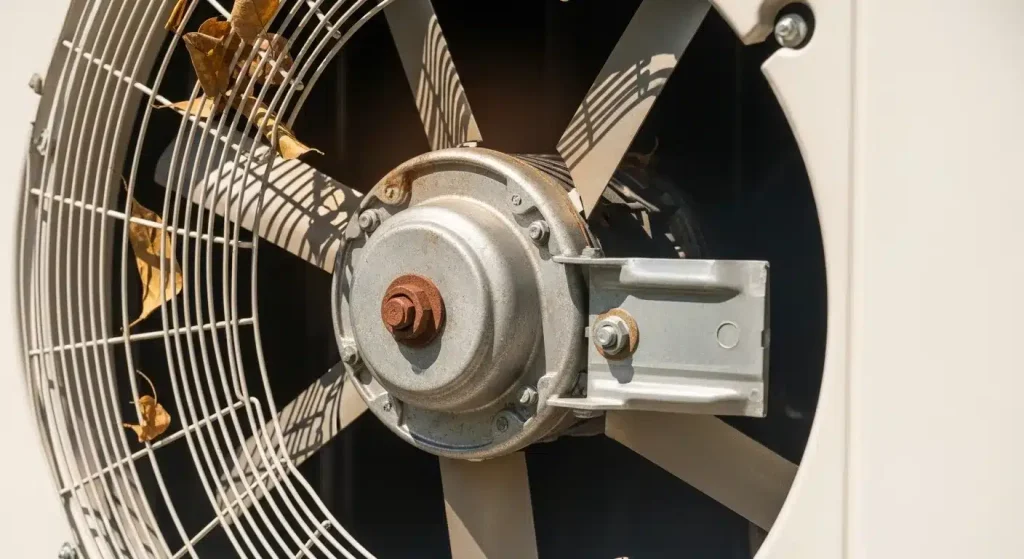
Is your air conditioner not cooling like it used to? One common reason might be a problem with your AC fan motor.
Knowing how to check your air conditioner fan motor can save you time, money, and frustration. In this guide, you’ll learn simple, step-by-step methods to inspect your fan motor quickly and safely. Whether you’re a beginner or just want to understand your AC better, this article will give you the confidence to spot issues early and keep your home cool all summer long.
Keep reading to find out how you can take control of your air conditioner’s performance today.
Signs Of A Faulty Fan Motor
Unusual noisesoften mean the fan motor is failing. Sounds like grinding, squealing, or rattling show parts may be loose or worn. These noises should not be ignored. They warn of motor damage.
Inconsistent airflowhappens when the fan motor struggles to spin the blades. Some rooms might feel colder or warmer than others. This uneven air means the motor is not working properly.
Overheating issuesarise if the fan motor gets too hot. This can cause the motor to shut down or break. Overheating may also cause a burning smell near the unit. It is a clear sign of trouble.
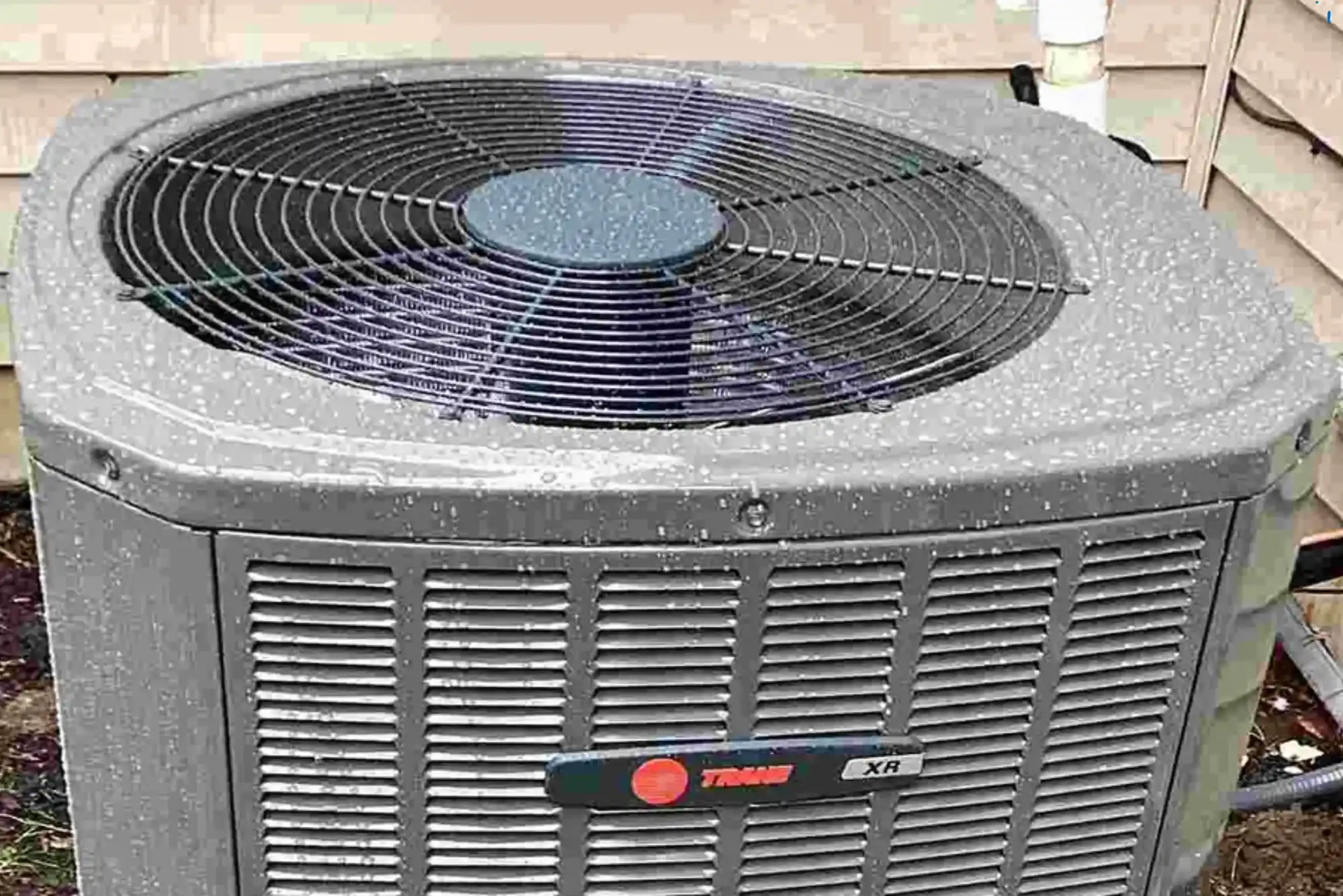
Credit: hafixer.com
Tools Needed For Inspection
Basic hand tools are essential for checking an air conditioner fan motor. A screwdriverhelps remove the motor cover. Pliers are useful for gripping and pulling wires. Wrenches can loosen bolts holding the motor in place. These tools make the inspection easier and safer.
A multimeter is important for testing the motor’s electrical parts. It measures voltage, current, and resistance. This helps find if the motor is getting power or if wires are broken. Set the multimeter to the right mode before testing.
- Safety glovesprotect your hands from sharp parts.
- Safety glasseskeep your eyes safe from dust or debris.
- Wear clothes that cover your body well.
- Turn off power before starting any work.
Preparing Your Ac Unit
Turn off the power to the air conditioner before starting any checks. This stops any risk of electric shock or injury. Use the main breaker or switch to cut power to the AC unit. Confirm the power is off by trying to turn on the AC.
Wear gloves and safety glasses for extra protection. Make sure the area around the unit is dry to avoid slipping. Keep children and pets away from the work zone.
Remove the AC unit’s cover or panel carefully. Use a screwdriver if needed. This gives access to the fan motor inside the unit. Be gentle to avoid breaking clips or wires.
- Locate the fan motor near the fan blades.
- Check for dust or debris that might block the fan.
- Look for signs of damage like rust or loose wires.
Credit: www.youtube.com
Visual Inspection Steps
Check the fan motor for any cracks, dents, or rust. Make sure the fan blades are not broken or bent. Look closely at the motor housing for signs of burn marks or oil leaks. These can indicate damage or wear.
Examine the wiring carefully. Wires should be firmly connectedand not frayed or broken. Loose connections can cause the fan motor to stop working. Look for any burnt wires or melted insulation, which can be dangerous.
- Check if wires are tight and secure
- Look for exposed wires or wire damage
- Inspect connectors for rust or corrosion
- Make sure wires are not tangled or pinched
Testing The Fan Motor
Testing the fan motor is key to find out if it works well. Use a multimeter to check continuity. Set the multimeter to the continuity mode. Touch the probes to the motor’s terminals. If the meter beeps or shows a low number, the motor has continuity. No beep means the motor may be broken.
Measuring voltage and current helps to see if the motor gets power. Set the multimeter to voltage mode. Connect the probes to the motor’s power supply wires. The reading should match the motor’s rated voltage.
To measure current, switch the multimeter to the ampere setting. Connect it in series with the motor. The current should be within the motor’s normal range. Too high or too low means a problem.

Credit: www.youtube.com
Common Fan Motor Problems
Worn bearingscause the fan motor to make noise or stop working. Bearings help the fan spin smoothly. Over time, they can wear out and make the motor noisy or slow.
Electrical failureshappen when wires or parts inside the motor break or get loose. This can stop the fan from running or make it work poorly. Checking the wiring and connections can help find this problem.
Obstructions and debrislike dust, leaves, or small objects can block the fan blades. This stops the fan from spinning freely. Cleaning the fan and removing debris keeps it running well.
When To Replace The Fan Motor
Replacing the fan motoris needed when it makes loud noises or stops working. A motor that runs but feels hot or moves slowly may need replacement too.
Assessing Repair Costs
Compare repair costs with a new motor price. Repairing might be cheaper if the motor is still under warranty. If repair costs are high, replacing is better.
Choosing The Right Replacement
- Check the model numberof your AC unit.
- Match the new motor’s size and powerwith the old one.
- Buy from a trusted sellerto ensure quality.
- Consider energy-efficient motors to save electricity.
Preventive Maintenance Tips
Regular cleaningof the air conditioner fan motor helps it run smoothly. Dust and dirt can block airflow and cause the motor to overheat. Use a soft brush or cloth to gently remove debris from the fan blades and motor housing. Cleaning every few months keeps the motor cool and efficient.
Lubricationis key to reducing friction in the motor. Apply a few drops of light machine oil to the motor bearings. This practice prevents wear and tear and extends the motor’s life. Avoid over-lubricating as it can attract dirt and cause damage.
Scheduled inspectionscatch problems early. Check for loose screws, worn belts, and unusual noises. Tighten parts and replace any damaged components. Regular inspections prevent major breakdowns and keep the fan motor working well.
Frequently Asked Questions
How Do I Test My Ac Fan Motor?
To test your AC fan motor, first turn off power. Use a multimeter to check for continuity. Also, inspect the motor for visible damage or debris blocking the fan blades.
What Causes An Ac Fan Motor To Fail?
Common causes include electrical issues, dirt buildup, worn bearings, or overheating. Regular maintenance can prevent many fan motor problems and ensure efficient operation.
Can A Faulty Fan Motor Cause Ac To Stop Cooling?
Yes, a bad fan motor can prevent proper airflow, causing the AC to cool poorly or not at all. It’s crucial to inspect and replace a failing motor promptly.
How Often Should I Check My Ac Fan Motor?
Check your AC fan motor at least once a year, ideally before summer. Regular inspections help catch issues early and extend the motor’s lifespan.
Conclusion
Checking your air conditioner fan motor is essential. It ensures your AC runs smoothly. Regular maintenance prevents costly repairs. Listen for unusual noises. Inspect the fan blades. Check the motor’s wiring connections. Follow safety precautions always. Use the right tools for the job.
If unsure, contact a professional for help. A well-functioning fan motor keeps your home cool. Saves energy too. Enjoy a comfortable environment. Stay proactive with your AC maintenance. Your comfort depends on it. Keep these tips handy. Regular checks lead to a longer lifespan for your air conditioner.
Stay cool and save money.