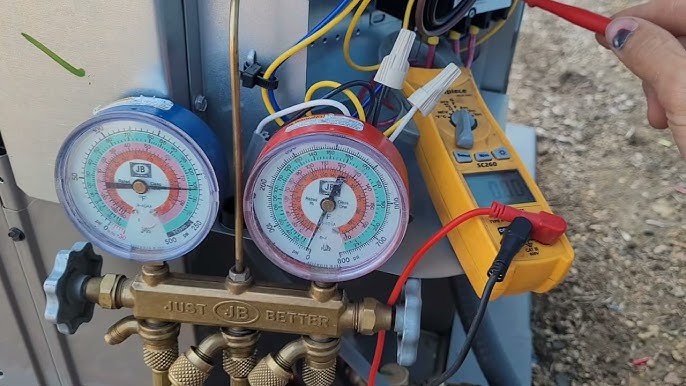
Is your air conditioner ready to keep you cool when the heat hits? Knowing how to check your air conditioner can save you from unexpected breakdowns and costly repairs.
You don’t need to be an expert to spot common issues or understand when it’s time for maintenance. In this guide, you’ll discover simple, practical steps to make sure your AC runs smoothly all season long. Keep reading, and you’ll learn how to protect your comfort and your wallet with easy checks you can do yourself.
Signs Of Air Conditioner Issues
Unusual noisesfrom the air conditioner can signal a problem. Sounds like rattling, buzzing, or grinding need attention. These noises often come from loose parts or worn-out components.
Weak airflowmeans the air conditioner is not pushing air strongly. This issue may be caused by clogged filters or blocked vents. Check and clean filters regularly to keep air moving well.
Inconsistent coolinghappens when some rooms are cold while others are warm. This can be due to low refrigerant or dirty coils. A well-maintained system cools evenly throughout the space.
| Issue | Possible Cause | What to Do |
|---|---|---|
| Unusual Noises | Loose parts, worn components | Inspect and tighten parts, call a technician |
| Weak Airflow | Clogged filters, blocked vents | Clean or replace filters, clear vents |
| Inconsistent Cooling | Low refrigerant, dirty coils | Check refrigerant levels, clean coils |
| High Energy Bills | Old unit, poor maintenance | Service unit regularly, consider upgrade |
High energy billsmight mean your air conditioner runs too hard. An older or poorly maintained unit often uses more electricity. Regular checks help save money and energy.
Preparing For The Inspection
Check that the air conditioner is turned off and unplugged before starting. Clear the area around the unit for easy access and better inspection. Gather basic tools like a screwdriver and a flashlight for a thorough check.
Gathering Tools
A few important tools are needed. A screwdriver helps open covers. A multimeter checks electrical parts. A flashlight reveals hidden areas. A soft brush cleans away dust. A shop vacuum removes debris.Safety Precautions
Always think about safety first. Wear protective gloves to keep hands safe. Safety goggles protect eyes from dust. Keep a fire extinguisher nearby, just in case. Check the area for any water leaks before starting. Stand on a stable surface to prevent falls.Turning Off The Power
Turning off the power is a must. Find the circuit breaker in your house. Switch it to the off position. This stops electricity flow to the air conditioner. Double-check by trying to turn the unit on. If it doesn’t start, it’s safe to proceed. `Cleaning The Air Conditioner
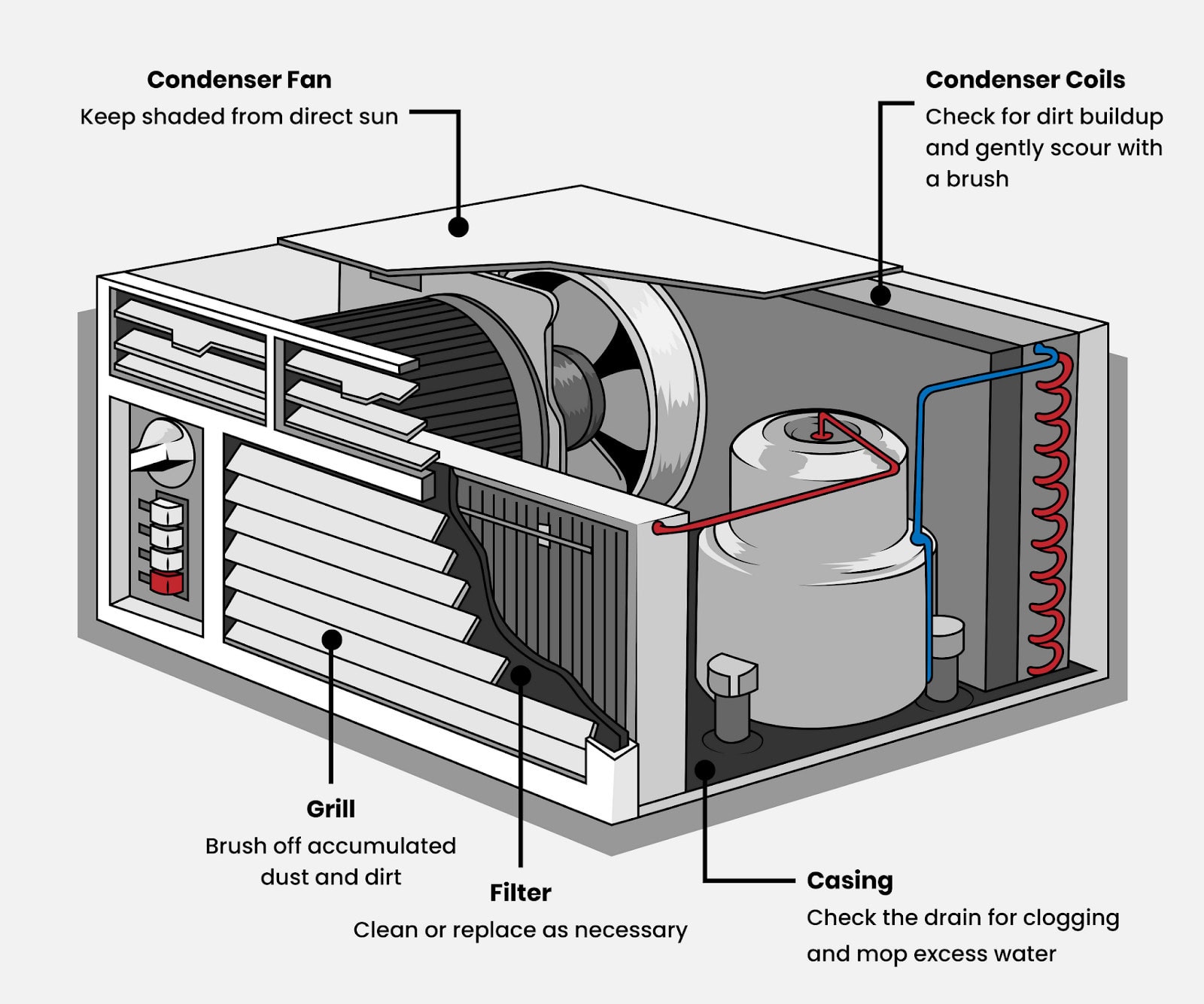
Cleaning or replacing filtersis key to good air flow. Dirty filters block air and make the AC work harder. Clean reusable filters with water and let them dry fully. Replace disposable filters every 1-3 months to keep air fresh and clear.
Clearing the condenser coilshelps your AC cool better. Dust and dirt on coils lower efficiency. Use a soft brush or coil cleaner to gently remove dirt. Be careful not to bend the fins, as they help air flow.
Removing debris around the unitstops blockages and improves performance. Clear leaves, grass, and dirt at least 2 feet around the outdoor unit. Keep the area open so air moves freely and the unit stays cool.

Credit: www.heartofohiohvac.com
Checking The Thermostat
Set the thermostat to a comfortable temperature, usually around 72°F (22°C). This helps the air conditioner run efficiently. Avoid setting it too low, as this can waste energy and strain the system.
Check if the thermostat temperature matches the room temperature. If the room feels warmer or cooler than the set point, the thermostat may need calibration. Calibrating fixes small errors and keeps the system accurate.
Many thermostats use batteries. Replace them at least once a year or when the display dims or stops working. Fresh batteries ensure the thermostat operates reliablyand prevents unexpected shutdowns.
Inspecting The Refrigerant Levels
Low refrigerantcan cause poor cooling and higher energy bills. Signs include warm airblowing from vents and ice buildupon coils. The air conditioner may also run longer than usual. Strange noises or a hissing sound near the unit can indicate leaks. Checking refrigerant levels needs special tools and skills. Avoid trying to recharge refrigerant yourself because it can be dangerous and illegal without proper certification.
Professional services offer safe and accurate recharging. They use approved refrigerantsand follow local laws. Technicians can also find and fix leaks. This keeps the system running well and avoids damage. Regular maintenance by experts helps extend the life of the air conditioner.
Credit: blog.totalhomesupply.com
Examining The Electrical Components
Check the wiring and connectionsby looking for loose or damaged wires. Make sure all wires are tight and secure. Look for signs of wear or burning. Use a screwdriver to gently tighten any loose screws on terminals. Never touch wires with wet hands or while the unit is powered on.
Test the capacitor and contactorusing a multimeter. The capacitor stores energy to help start the motor. A faulty capacitor may cause the unit to fail to start or run properly. The contactor acts like a switch to start the compressor and fan. Check for burning or pitted contacts. Replace any parts that look damaged or worn.
Testing The Air Conditioner Performance
Start by turning on the air conditioner and let it run for about 10 minutes. This allows the unit to reach its normal operating temperature. Check that the air flows freely from the vents without any blockages.
Use a thermometer to measure the temperature of the air coming out of the vents. Then, measure the temperature of the air going into the unit. A good air conditioner should have a temperature difference of about 15 to 20 degrees Fahrenheit.
- Listen carefully for any strange noiseslike rattling, buzzing, or grinding.
- Unusual sounds can mean parts are loose or the motor needs maintenance.
- A smooth, steady hum usually means the unit is running well.
When To Call A Professional
Complex repairs need special tools and skills. These fixes can involve electrical parts or deep machine issues. Trying to repair these alone can be risky and may cause more damage.
Handling refrigerant requires care. This gas keeps the AC cool but is dangerous to touch or release. Only trained technicians should add or remove refrigerant to avoid harm and legal trouble.
Regular maintenance is key for long AC life. Professionals clean filters, check parts, and find small problems early. Scheduling these services helps the AC run well and saves money over time.

Credit: stackheating.com
Frequently Asked Questions
How Do I Check If My Air Conditioner Is Working Properly?
To check your AC, ensure it cools effectively, runs without unusual noises, and maintains steady airflow. Inspect filters and clean coils regularly for optimal performance.
What Are Common Signs Of Air Conditioner Problems?
Common signs include weak airflow, strange noises, warm air, and frequent cycling. These indicate potential issues needing timely inspection or repair.
How Often Should I Inspect My Air Conditioner?
Inspect your AC at least twice a year, ideally before summer and winter. Regular checks prevent breakdowns and improve energy efficiency.
Can I Test My Air Conditioner’s Efficiency Myself?
Yes, you can check efficiency by measuring airflow, cooling speed, and thermostat accuracy. Use a thermometer and inspect for leaks or blockages.
Conclusion
Checking your air conditioner regularly helps keep it working well. Clean filters and clear vents make a big difference. Small problems can be found and fixed early. This saves money and avoids big repairs later. Take time to inspect your AC each season.
It makes your home more comfortable and cool. Stay safe by following simple steps carefully. Regular checks keep your air conditioner running longer. Your effort today means cool air tomorrow.