Is your air conditioner not cooling like it used to? The problem might be with your compressor, the heart of your AC system.
Knowing how to check an air conditioner compressor can save you time, money, and discomfort during hot days. In this guide, you’ll learn simple, step-by-step methods to diagnose your compressor’s health without needing to be an expert. By the end, you’ll feel confident spotting issues early and deciding when to call a professional.
Ready to keep your cool and protect your AC investment? Let’s dive in.
Signs Of A Faulty Compressor
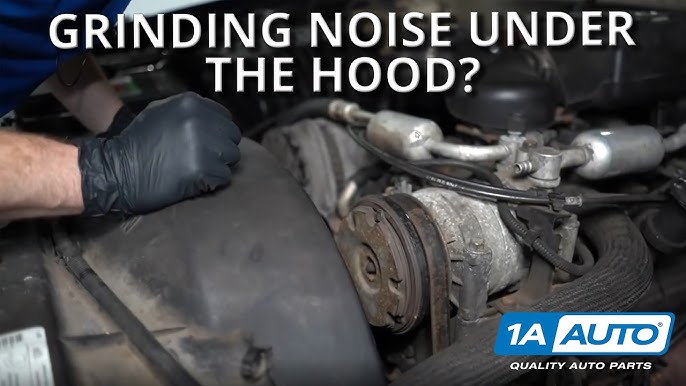
A faulty air conditioner compressor often shows unusual noises. Sounds like rattling, banging, or grinding mean trouble inside the unit. These noises suggest worn parts or loose components.
Another sign is poor cooling performance. The air conditioner may blow warm or less cold air. This happens because the compressor struggles to pump refrigerant.
Frequent cyclingis also a key indicator. The AC turns on and off too often, causing uneven cooling. This wastes energy and wears the compressor faster.
Tripped circuit breakercan signal compressor problems. The breaker trips when the compressor draws too much power. This is a safety measure to prevent damage.
Tools Needed For Testing
Testing an air conditioner compressor needs some basic tools. A multimetermeasures electrical parts like wires and coils. It helps find if the compressor is working.
A screwdriveris useful for opening the compressor cover. It lets you check inside safely and reach the parts to test.
Safety gearis very important. Use gloves and goggles to protect your hands and eyes. Electricity and sharp parts can be dangerous.
- Multimeter:Checks voltage, resistance, and continuity.
- Screwdriver:Opens compressor panels and access points.
- Safety Gear:Gloves and goggles for protection.
Preparing For Inspection
Turn off the power to the air conditioner before starting. This stops any accidents while working.
Locate the unit’s access panel. Use a screwdriver to remove screws carefully.
Wear safety gloves and goggles to protect your hands and eyes.
Check that no wires are loose or damaged before touching the compressor.
- Disconnect the power supply completely.
- Remove the access panel gently.
- Use proper tools for opening the unit.
- Wear personal protective equipment.
- Work in a dry area to avoid shocks.
Testing Compressor Electrical Components
Start by checking the capacitor. It stores energy to help the compressor start. Use a multimeter set to measure capacitance. A low or zero reading means the capacitor is bad and needs replacement. Look for any bulges or leaks on the capacitor body.
Next, measure the resistance of the windings. These are copper coils inside the compressor. Set the multimeter to ohms. Test between the common, start, and run terminals. The readings should match the compressor’s specs. Very high or infinite resistance means a broken winding.
Inspect the relay and overload protector. The relay helps start the compressor by switching current. The overload protector stops the compressor if it gets too hot. Check the relay coil for continuity with a multimeter. The overload should reset easily and not be damaged.
Checking Compressor Operation
Start by listening closelyto the air conditioner. A working compressor makes a low humming or buzzing soundwhen it starts. If there is no sound, it may not be running.
Next, check the compressor temperature. It should be warm but not too hot. If it feels very hot, the compressor might be overheating. Cold or very cool means it might not be working.
| Refrigerant Level | What to Check | Signs of Problem |
|---|---|---|
| Low | Look for leaks or low pressure | Compressor runs longer, poor cooling |
| Normal | Pressure and levels within range | Compressor runs smoothly, good cooling |
| High | Too much refrigerant or blockage | Compressor noise, possible damage |
Credit: www.youtube.com
When To Call A Professional
Complex electrical problems need a trained technician. Handling wires and circuits without knowledge is risky. Faulty wiring or a bad capacitor requires special tools and skills.
Dealing with refrigerant is not for beginners. It needs proper tools and safety measures. Incorrect handling can harm the environment and cause injury.
Replacing a compressor is a big job. It involves removing and installing heavy parts. Professionals ensure the right fit and secure connections. Trying this alone can lead to more damage.
Maintenance Tips To Extend Compressor Life
Keeping the air conditioner compressor in good shape helps it last longer. Regular cleaningremoves dirt and dust that can block airflow. This keeps the compressor cool and working well.
Proper refrigerant chargeis key. Too much or too little refrigerant can cause the compressor to break. Checking the levels helps the system run smoothly.
Scheduled professional servicingensures the compressor is inspected and fixed before big problems start. Experts check parts and oil, improving the compressor’s life.

Credit: okmarts.com

Credit: www.acservicetech.com
Frequently Asked Questions
How Do I Know If My Ac Compressor Is Bad?
If your AC isn’t cooling, makes strange noises, or trips the circuit breaker, the compressor might be faulty. Check for leaks and ensure the unit gets power. If these signs appear, consult a professional for a thorough diagnosis.
What Tools Are Needed To Test An Ac Compressor?
To test an AC compressor, you’ll need a multimeter, a screwdriver, and safety gloves. These tools help check electrical connections and resistance. Always ensure the unit is off before testing to prevent accidents.
Can A Faulty Compressor Be Repaired?
Yes, a faulty compressor can often be repaired, depending on the issue. Minor problems like electrical faults might be fixable. However, severe mechanical failures may require replacement. Consult an HVAC technician for an accurate assessment.
What Causes An Ac Compressor To Fail?
Common causes of AC compressor failure include electrical issues, refrigerant leaks, or inadequate maintenance. Overworking the system can also lead to failure. Regular maintenance and timely repairs help prevent these issues and extend the compressor’s lifespan.
Conclusion
Checking an air conditioner compressor is simple with the right steps. Regular checks keep your AC running well and save money. Watch for strange noises, leaks, or weak airflow. Use a multimeter to test electrical parts safely. Don’t ignore signs of trouble to avoid bigger repairs.
Taking small actions today helps your AC last longer. Stay proactive and keep your home cool all year. Easy maintenance makes a big difference in comfort and cost.