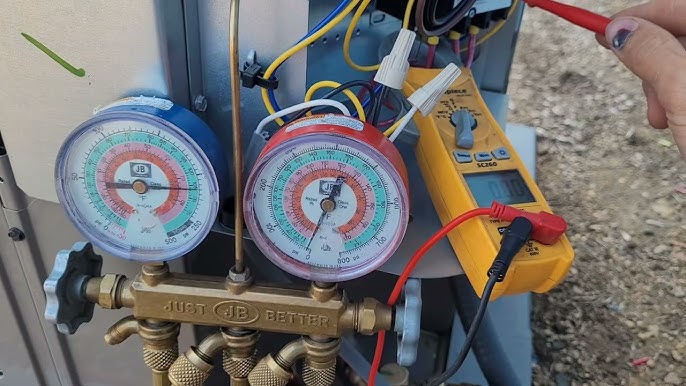
Is your air conditioner working the way it should? Knowing how to check an air conditioner can save you from unexpected breakdowns and high repair costs.
You don’t have to be a technician to spot common issues or understand when it’s time for a service. In this guide, you’ll learn simple, clear steps to inspect your AC and keep it running smoothly all year long. Ready to take control of your comfort and avoid costly surprises?
Let’s dive in.

Credit: www.callsmarthouse.com
Signs Your Ac Needs A Checkup
Your air conditioner works hard to keep your home cool. It can show signs when it needs a checkup.
Knowing these signs helps you fix problems early. This can save money and keep you comfortable.
Unusual Noises
If your AC makes strange sounds, it may have a problem. Buzzing, rattling, or grinding noises are not normal.
These sounds might mean loose parts, motor issues, or debris inside the unit. Check your AC if you hear them.
- Buzzing could be electrical problems
- Rattling might show loose parts
- Grinding may mean worn-out motor
Weak Airflow
When your AC blows weak air, it struggles to cool your home. This can happen if filters are dirty or blocked.
Low airflow can also mean problems with the fan or ducts. Check your AC if the air feels weak.
- Clogged filters reduce airflow
- Blocked vents stop air movement
- Fan problems lower air pressure
Inconsistent Cooling
Your AC should cool your home evenly. If some rooms are hot and others cold, the AC may need service.
Inconsistent cooling can mean refrigerant leaks, dirty coils, or thermostat issues. Fixing these keeps your home comfortable.
- Refrigerant leaks reduce cooling power
- Dirty coils stop heat transfer
- Thermostat problems cause wrong temperatures
Rising Energy Bills
If your energy bills go up without using more AC, it may be less efficient. This is a sign it needs a checkup.
Dirty parts or worn-out components make your AC work harder. This wastes energy and increases costs.
- Clogged filters make the AC work more
- Leaking ducts lose cooled air
- Old parts lower efficiency

Credit: stackheating.com
Inspecting The Air Filter
Checking the air filter in your air conditioner is key to keeping it working well. A clean filter helps the unit cool your home efficiently.
Dirty filters block airflow and can cause your system to use more energy. Regular checks keep your air conditioner in good shape.
Locating The Filter
The air filter usually sits near the air handler or blower unit. It may be behind a front panel or inside the return air duct.
Look for a slot or grille that you can open. The filter often slides or pops out for easy access.
Cleaning Vs. Replacing
Some filters are reusable and can be cleaned. Others are disposable and must be replaced.
- Reusable filters can be washed with water and mild soap.
- Allow reusable filters to dry completely before reinstalling.
- Disposable filters should be replaced when dirty or clogged.
- Using the wrong cleaning method can damage some filters.
Recommended Maintenance Schedule
| Filter Type | Check Frequency | Clean/Replace Frequency |
|---|---|---|
| Reusable Foam or Mesh | Monthly | Every 1-3 months |
| Disposable Fiberglass | Monthly | Every 1-3 months |
| High-Efficiency Pleated | Monthly | Every 3 months |
| Allergy or HEPA Filters | Monthly | Every 6-12 months |
Checking The Thermostat
The thermostat controls your air conditioner’s temperature. Checking it helps your AC work well.
Make sure the thermostat shows the right temperature. This keeps your home comfortable.
Calibrating Temperature Settings
Sometimes the thermostat shows the wrong temperature. Calibrating fixes this problem.
To calibrate, compare the thermostat’s reading with a reliable thermometer. Adjust the settings if needed.
- Check the room temperature with a thermometer
- Note the difference from the thermostat reading
- Use the thermostat’s calibration option to correct it
- Repeat to confirm the adjustment is accurate
Upgrading To Smart Thermostats
Smart thermostats help control temperature easily. They learn your schedule for better comfort.
These thermostats connect to your phone. You can change settings from anywhere.
- Save energy by setting temperature times
- Control temperature remotely with apps
- Receive alerts if your AC has problems
- Get detailed reports on energy use
Examining The Condenser Unit
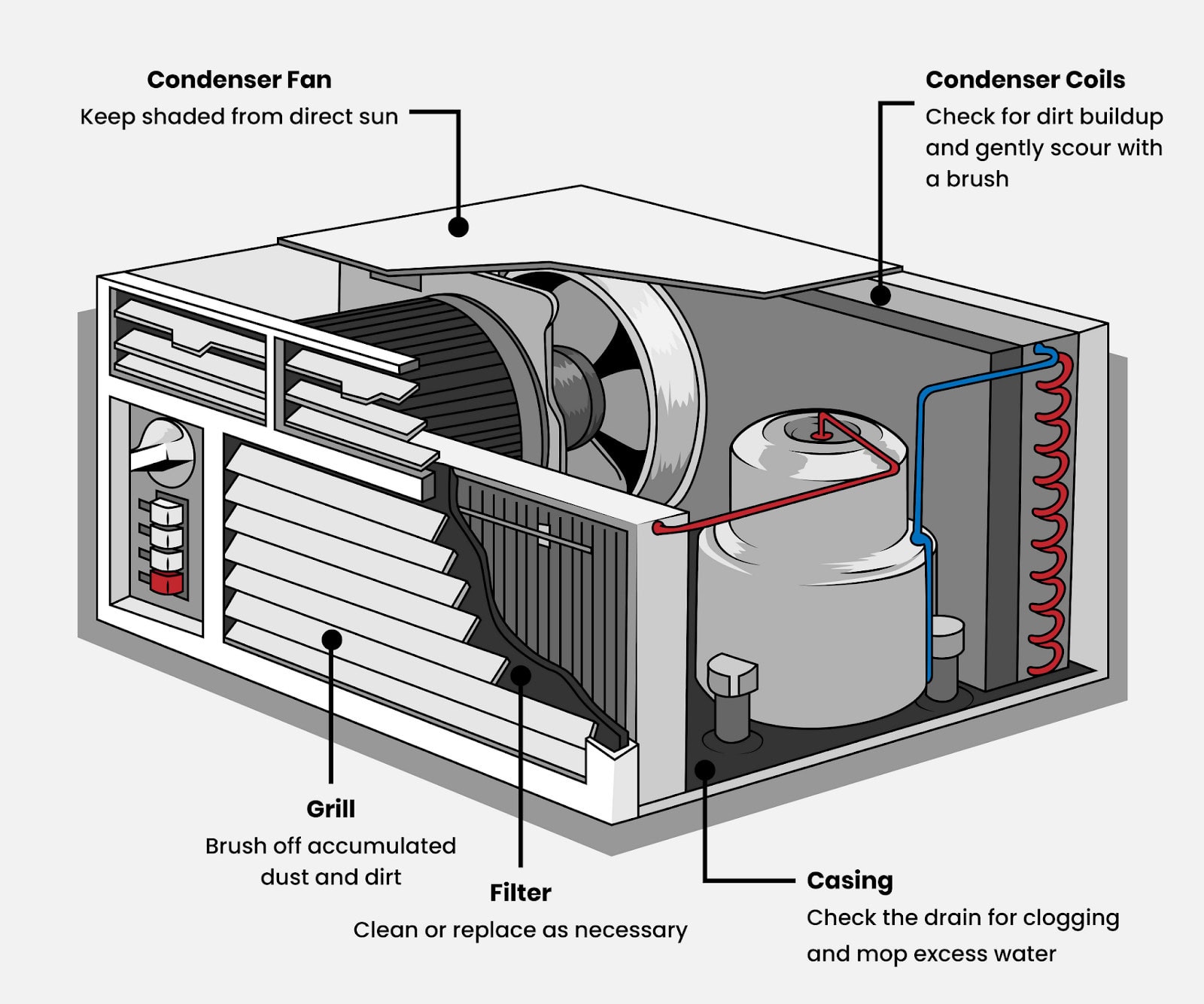
The condenser unit is a key part of your air conditioner. It releases heat from inside to the outside air. Checking this unit helps keep your AC running well.
Regular inspection prevents problems like overheating or poor cooling. Look closely at the outside unit for dirt and damage.
Clearing Debris And Dirt
Debris and dirt block airflow and reduce efficiency. Clear leaves, grass, and dust from around the condenser unit.
- Turn off power to the AC unit before cleaning.
- Remove leaves, sticks, and trash from the outside.
- Use a soft brush or cloth to clean dirt off the fins.
- Rinse gently with a garden hose; avoid high pressure.
- Keep at least 2 feet of clear space around the unit.
Inspecting Fan And Coils
The fan and coils must be clean and in good shape. Check for bent fins or damaged fan blades that can stop airflow.
| Part | What to Check | Action |
| Fan Blades | Cracks or bending | Replace or repair if damaged |
| Coils | Dirt buildup or corrosion | Clean with coil cleaner or water |
| Fins | Bent or blocked fins | Straighten with a fin comb |
Verifying Refrigerant Levels
Checking the refrigerant level in your air conditioner helps it cool properly. Low refrigerant can cause poor performance and damage.
You need to know how to spot low refrigerant and when to get expert help.
Signs Of Low Refrigerant
Low refrigerant affects how well your air conditioner cools. Watch for these signs:
- The AC does not cool the room enough
- Longer running times than usual
- Ice forming on the coils or pipes
- Warm air blowing from the vents
- Higher energy bills without more use
If you see any of these, your refrigerant might be low and needs checking.
When To Call A Professional
Handling refrigerant requires special tools and skills. It is best to call a professional if you suspect low levels.
Only trained technicians can safely check and refill refrigerant. They also fix leaks that cause loss.
- If your AC shows signs of low refrigerant
- If you notice ice on coils or pipes
- If the AC runs too long or not enough
- If you smell a chemical odor near the unit
- During regular yearly maintenance
Credit: blog.totalhomesupply.com
Testing Electrical Components
Testing electrical parts of an air conditioner helps find problems early. It ensures the AC works safely and well.
You can check wiring, connections, capacitors, and relays. These parts affect the AC’s start and run functions.
Checking Wiring And Connections
Look for loose or damaged wires in the AC unit. Loose wires can cause the AC to stop working or short circuit.
Use a screwdriver to tighten screws on terminals. Check if wires are broken or corroded and replace if needed.
- Turn off power before inspecting wiring
- Look for cracked or burnt wires
- Check if all connections are tight
- Replace any damaged wires or connectors
Inspecting Capacitors And Relays
Capacitors help the motor start and run smoothly. Relays control the power flow to the motor and compressor.
Check capacitors for bulges or leaks. Test them with a multimeter for correct microfarad values. Test relays for clicking sound and proper switching.
- Turn off power before testing
- Look for physical damage on capacitors
- Use a multimeter to check capacitance
- Listen for clicks from relays when powered
- Replace faulty capacitors or relays promptly
Ensuring Proper Drainage
Proper drainage keeps your air conditioner working well. It stops water damage and mold growth.
Checking the drainage system helps avoid costly repairs and keeps your home safe.
Clearing The Drain Line
The drain line can get clogged with dirt and algae. This causes water to back up inside the unit.
- Turn off the air conditioner power.
- Find the drain line outside your home.
- Use a wet/dry vacuum to suck out clogs.
- Pour a cup of white vinegar to clean the line.
- Flush the line with water to check flow.
Preventing Mold And Mildew
Mold and mildew grow where water stays wet for long. This can cause bad smells and health issues.
| Tip | Reason |
|---|---|
| Keep the drain pan clean | Prevents water buildup and mold growth |
| Use a fungicide tablet | Stops mold spores from growing |
| Check the drain line regularly | Ensures water flows out properly |
Scheduling Professional Maintenance
Regular professional maintenance keeps your air conditioner running well. It helps avoid sudden breakdowns and saves energy.
Scheduling a yearly checkup ensures your AC stays cool and lasts longer.
Benefits Of Annual Service
Annual service improves your air conditioner’s performance. It also finds small problems early before they get worse.
Keeping your AC clean and tuned saves money on electricity and repairs.
- Increases energy efficiency
- Prevents costly breakdowns
- Extends the life of the unit
- Improves air quality
- Ensures safety of electrical parts
Choosing A Reliable Technician
Pick a technician with good experience and positive reviews. A skilled technician provides proper care for your AC.
Check if the technician is licensed and insured. This protects you and your equipment during maintenance.
- Look for certifications and licenses
- Read customer feedback and ratings
- Ask about service guarantees
- Compare prices and services offered
- Choose someone local for quick support
Frequently Asked Questions
How Do I Test My Ac Performance?
To test your AC’s performance, check the airflow and cooling efficiency. Ensure the air filter is clean and thermostat settings are accurate. Measure the temperature difference between the supply and return vents. A difference of 15-20 degrees Fahrenheit indicates proper functioning.
If not, consult a professional for further inspection.
What Signs Indicate Ac Issues?
Common signs of AC issues include unusual noises, weak airflow, and inconsistent temperatures. Additionally, if you notice water leaks or increased energy bills, your AC might need attention. Addressing these problems early can prevent costly repairs and maintain efficiency. Consider professional assistance for a thorough diagnosis and solution.
Why Is My Ac Blowing Warm Air?
Your AC might blow warm air due to a dirty filter or refrigerant leak. Other causes include incorrect thermostat settings or compressor issues. Regular maintenance can prevent these problems. Check the thermostat and filter first. If the issue persists, contact a technician for a comprehensive evaluation.
How Often Should I Service My Ac?
It’s recommended to service your air conditioner at least once a year. Regular maintenance ensures optimal performance and extends the unit’s lifespan. Schedule servicing before the peak cooling season. This helps in identifying and fixing any potential issues early, ensuring efficient operation throughout the summer.
Conclusion
Checking your air conditioner regularly keeps it working well. Clean filters and clear vents help air flow smoothly. Listen for strange noises or smells that seem off. Make sure the thermostat shows the right temperature. Small problems caught early stop big repairs later.
Save money and stay comfortable all year long. A little care goes a long way with AC units. Stay cool and breathe easy by checking your air conditioner today.