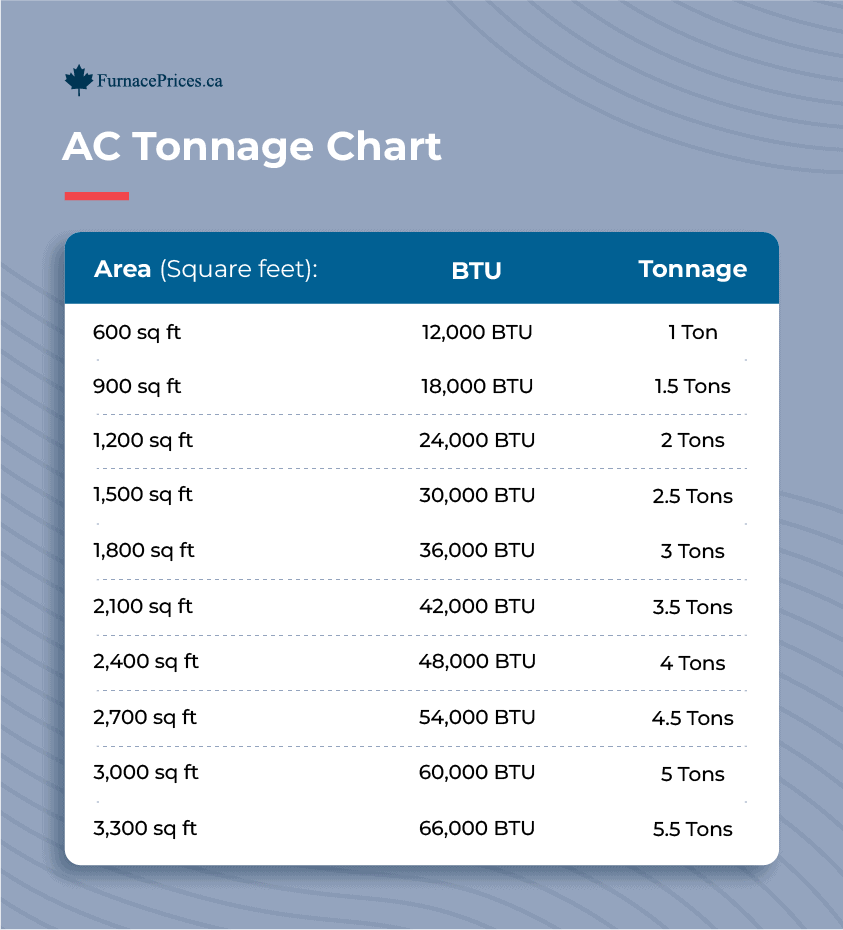
Wondering how to check the BTU on your air conditioner? Knowing this number is key to making sure your AC cools your space efficiently.
If your unit is too small, it won’t keep you comfortable. If it’s too big, you’ll waste energy and money. In this guide, you’ll learn simple steps to find the BTU rating on your air conditioner quickly. By the end, you’ll have the confidence to choose or troubleshoot your AC like a pro.
Keep reading to unlock the secrets behind your air conditioner’s cooling power.
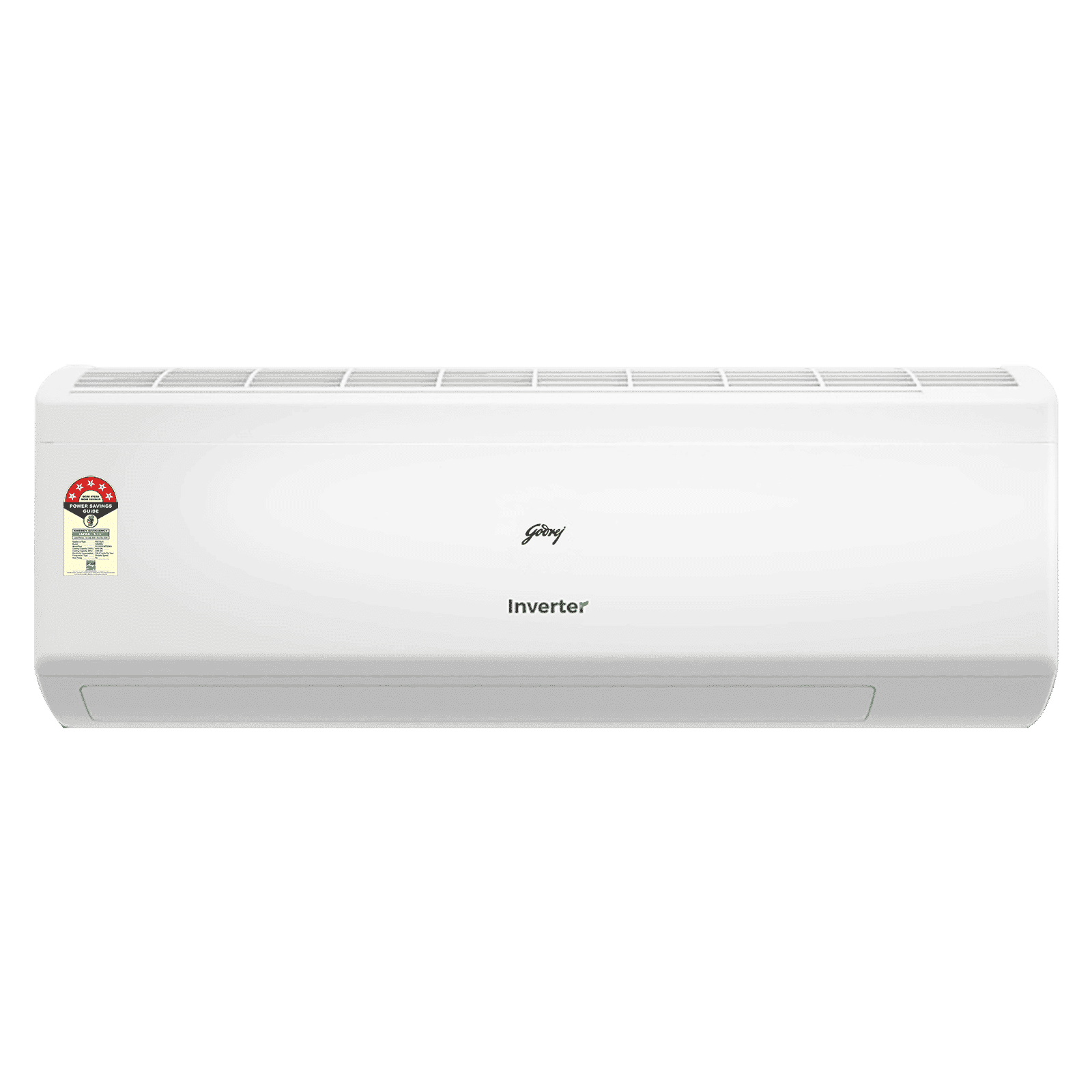
Credit: www.tataneu.com
What Is Btu
BTU stands for British Thermal Unit. It measures heat energy in air conditioners.
The BTU number shows how much heat the air conditioner can remove. Higher BTU means more cooling power.
Understanding Btu Ratings
BTU ratings tell you the cooling capacity of an air conditioner. This helps match the unit to room size.
A small room needs fewer BTUs. A large room needs more BTUs to cool properly.
- Under 150 sq ft: 5,000-6,000 BTUs
- 150-250 sq ft: 6,000-8,000 BTUs
- 250-350 sq ft: 8,000-10,000 BTUs
- 350-450 sq ft: 10,000-12,000 BTUs
Why Btu Matters For Your Air Conditioner
Choosing the right BTU size improves comfort and saves energy. Too small means weak cooling.
Too large wastes electricity and causes short cycling. This can damage the unit over time.
Where To Find The Btu On Your Air Conditioner
The BTU rating is usually on a label or sticker on the unit. Check the back or side panels.
You can also find BTU information in the user manual or product specifications online.
How To Calculate Btu For Your Room
Measure your room’s length and width in feet. Multiply to get square feet.
Use the square footage to find the BTU needed. Adjust for sun exposure or ceiling height.
- Room size × 20 BTU = basic cooling needed
- Add 10% BTU for sunny rooms
- Add 10% BTU for rooms with high ceilings

Credit: m.youtube.com
Why Btu Matters
BTU stands for British Thermal Unit. It measures how much heat an air conditioner can remove.
Knowing the BTU helps you choose the right air conditioner size for your room.
Cooling Power
BTU tells you how strong the air conditioner is. Higher BTU means more cooling power.
Choosing the right BTU makes your room comfortable without wasting energy.
Energy Efficiency
An air conditioner with the correct BTU uses less electricity. This saves money on bills.
Too high or too low BTU can make the unit work harder and use more energy.
Room Size Matching
Rooms need different BTU levels for proper cooling. Big rooms need more BTU.
Matching BTU with room size keeps the air conditioner running smoothly and cools well.
- Small rooms: 5,000 to 8,000 BTU
- Medium rooms: 8,000 to 12,000 BTU
- Large rooms: 12,000 BTU or more
Comfort Control
BTU affects how fast your room cools down. Right BTU keeps temperature steady.
Proper BTU means the air conditioner turns on and off less often, keeping comfort consistent.
Where To Find Btu On Ac
BTU stands for British Thermal Unit. It shows how much cooling power your air conditioner has.
Finding the BTU on your AC helps you choose the right size for your room. You can find it in a few places.
Check The Nameplate
The nameplate is a sticker or metal plate on the air conditioner. It has important details about the unit.
- Look on the back or side of the AC unit.
- Find the label with model and serial numbers.
- Check for the BTU number or cooling capacity.
Look In The Manual
The user manual that comes with the AC has detailed information. It usually lists the BTU size.
| Section | Information to Find BTU |
| Specifications | BTU or cooling capacity is listed here. |
| Product Details | Look for model number and power ratings. |
| Technical Data | Shows detailed performance data including BTU. |
Use The Model Number
If you cannot find BTU on the unit or manual, use the model number online. The model number helps identify the BTU.
How to use the model number:
- Write down the full model number from the AC.
- Search the model number on the manufacturer’s website.
- Check product specifications for the BTU rating.
- Compare with similar models if needed.
Using Online Tools
Finding the BTU of your air conditioner helps you understand its cooling power. Online tools make this task easier and faster.
You can use websites from manufacturers or BTU calculators to get accurate information. These tools guide you step-by-step.
Manufacturer Websites
Most air conditioner brands list BTU information on their official sites. This data is usually in product descriptions or specs.
- Visit the brand’s official website.
- Search for your air conditioner model.
- Check the product page for BTU rating.
- Download manuals if available for detailed specs.
Btu Calculators
BTU calculators estimate the cooling power needed for your space. You enter room size and other details to get the BTU value.
| Input | Description |
| Room Length | Length of the room in feet or meters |
| Room Width | Width of the room in feet or meters |
| Room Height | Height of the room, if required |
| Number of Windows | Windows letting in sunlight |
| Insulation Quality | Good, average, or poor insulation rating |
After entering these details, the calculator shows an estimated BTU value. Use this number to find a suitable air conditioner model.
Estimating Btu Without Labels
Finding the BTU of an air conditioner can be tricky without labels. BTU measures how much heat the unit can remove from a room. You can estimate BTU using simple methods.
This guide covers two ways to estimate BTU: by room size and by energy efficiency ratings. Both methods help pick the right air conditioner power.
Room Size Method
One easy way to estimate BTU is by measuring your room size. Bigger rooms need more cooling power. Use the room’s square footage to find a rough BTU value.
- Measure the length and width of the room in feet.
- Multiply length by width to get square footage.
- Use the chart below to find the recommended BTU range.
| Room Size (sq ft) | Estimated BTU |
| 100 – 150 | 5,000 – 6,000 |
| 150 – 250 | 6,000 – 8,000 |
| 250 – 350 | 8,000 – 10,000 |
| 350 – 450 | 10,000 – 12,000 |
| 450 – 550 | 12,000 – 14,000 |
Energy Efficiency Ratings
Energy efficiency ratings help estimate cooling power without labels. Look for the Energy Efficiency Ratio (EER) or Seasonal Energy Efficiency Ratio (SEER) on the unit or manual.
- Higher EER or SEER means the unit cools better with less energy.
- Use the formula BTU = Watts × EER to estimate BTU.
- If watts are unknown, check the power rating on the unit.
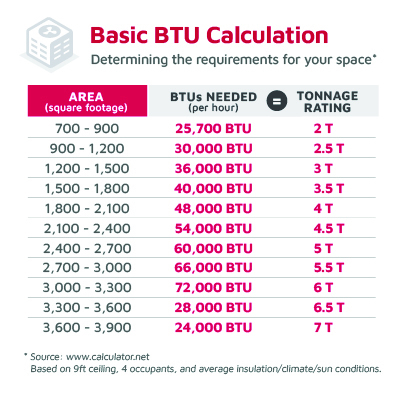
Credit: www.lennox.com
Tips For Accurate Btu Checking
BTU stands for British Thermal Unit. It shows how much cooling power your air conditioner has.
Checking BTU helps you choose the right air conditioner for your room size and needs.
Avoid Common Mistakes
Many people guess the BTU without measuring the room size. This causes wrong estimates.
Ignoring room factors like windows and sunlight can make the BTU check less accurate.
- Measure the room length, width, and height.
- Note the number and size of windows.
- Check how much sunlight the room gets.
- Consider the number of people usually in the room.
- Account for heat from appliances or electronics.
Verify With Professionals
Experts can help confirm your BTU calculations. They use tools and experience for accuracy.
Getting advice from a professional avoids buying an air conditioner that is too big or small.
- Hire HVAC technicians for detailed room assessments.
- Ask for recommendations based on your home’s layout.
- Request professional inspections before purchase.
Frequently Asked Questions
What Is Btu In An Air Conditioner?
BTU stands for British Thermal Unit. It measures the cooling power of an air conditioner. Higher BTU means more cooling capacity. Knowing BTU helps you choose the right AC size for your room.
Where Can I Find The Btu On My Ac Unit?
You can find the BTU rating on the AC’s nameplate or label. It is often on the side or back of the unit. The label lists technical specs, including the BTU number.
How Do I Calculate The Btu Needed For A Room?
Measure your room’s length, width, and height. Multiply the square footage by 20 to estimate BTU. Adjust based on room conditions like sunlight and insulation for accuracy.
Why Is Knowing The Btu Important For Ac Efficiency?
Correct BTU ensures your AC cools efficiently without wasting energy. Too low BTU means poor cooling. Too high BTU causes frequent cycling and higher electricity bills.
Conclusion
Checking the BTU on your air conditioner helps you choose the right cooling power. Knowing the BTU ensures your room stays comfortable. It also saves energy and lowers bills. You can find the BTU on the label or in the manual.
Use simple tools like a tape measure for room size. Remember, a correct BTU rating keeps your AC working well. A small step that makes a big difference. Stay cool and save energy by knowing your AC’s BTU.