Is your air conditioner not cooling like it used to? You might have a leak that’s stealing all the cold air and driving up your energy bills.
Finding these leaks early can save you money and keep your home comfortable. You’ll learn simple and effective ways to check for leaks in your air conditioner. By the end, you’ll know exactly what to look for and how to fix it before the problem gets worse.
Keep reading to protect your AC and stay cool all summer long.

Credit: fischerheating.com
Signs Of Air Conditioner Leaks
Reduced cooling efficiencyis a clear sign of leaks. The air conditioner might run longer but cool less. This happens because the refrigerant escapes, lowering the unit’s power.
Unusual noisessuch as hissing or bubbling can indicate a leak. These sounds come from the refrigerant escaping or air trapped in the system. Pay attention to any new or strange noises.
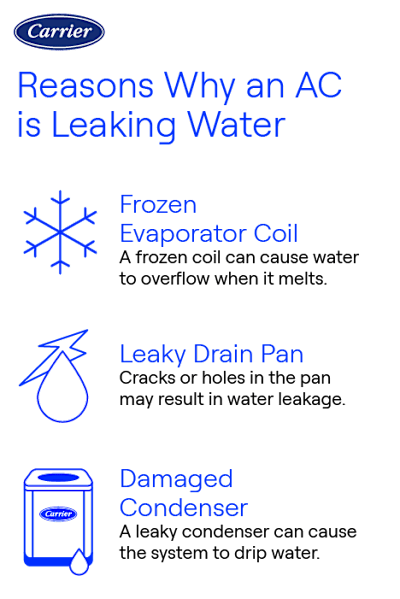
Water accumulationnear the air conditioner can point to leaks. Water may drip or pool because of blocked or damaged drain lines. Check for wet spots or puddles around the unit.
Increased energy billscan result from leaks. The unit works harder to cool your home, using more electricity. Watch for sudden spikes in your energy costs without other reasons.
Tools Needed For Leak Detection
Leak detection dyeis a colored liquid added to the air conditioner. It helps spot leaks by glowing under UV light.
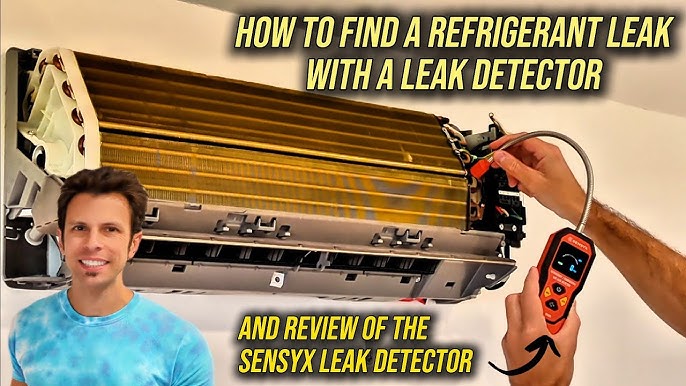
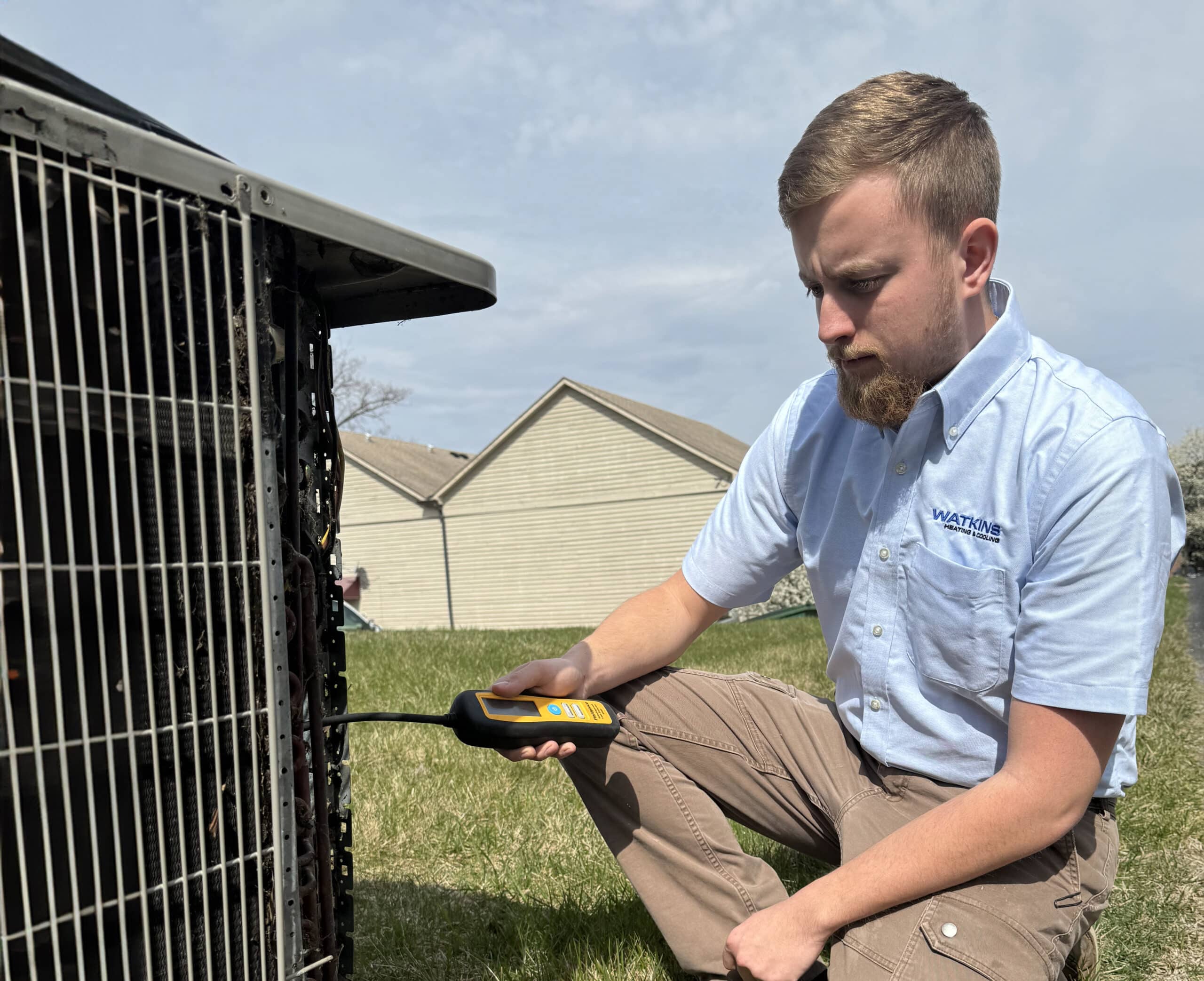
Electronic leak detectorssense the refrigerant gas escaping from the unit. They beep or flash when near a leak.
Soap solutionis a simple mixture of water and soap. Apply it to joints and tubes; bubbles show leaks.
Pressure gaugesmeasure the pressure inside the system. Low pressure can indicate a leak that needs fixing.
Visual Inspection Steps
Check refrigerant linescarefully. Look for oily spots or cracks. These signs show possible leaks. Make sure the insulation around the lines is not torn or missing. Damaged insulation can cause problems.
Drain pans and pipesshould be clean and dry. Standing water means a clog or leak. Look for rust or holes in pans. Pipes should have no cracks or blockages. Clear any debris that might block water flow.
Inspect coils and connections for dirt or damage. Dirty coils reduce cooling and may hide leaks. Look for wet spots or ice buildup on coils. Check all connections to ensure they are tight and secure. Loose connections can cause leaks or system failure.
Credit: www.watkinsheating.com
Using Soap Solution For Leak Detection
Mix water with liquid soap to create a soap solution. Use about one cup of water and add a few drops of soap. Stir gently until it forms bubbles but is not too thick. This solution will help find leaks by making bubbles where air escapes.
Use a brush or spray bottle to apply the soap solution on suspected areas. Focus on joints, pipe connections, and valves. Cover the area well but do not soak it.
Watch carefully for bubble formation. Bubbles appear when air leaks out. Even small bubbles show tiny leaks. If no bubbles form, the area is likely leak-free. Move to the next spot and repeat.
Employing Electronic Leak Detectors
Electronic leak detectors must be calibratedbefore use. Calibration ensures the device reads accuratelyand detects leaks properly. Follow the manufacturer’s instructions to set the device. Use a known gas sample if available to check sensitivity.
Move the detector’s sensor slowly around the air conditioner unit. Focus on joints, valves, and connections where leaks often occur. Keep the sensor close but avoid touching hot or moving parts. A slow scan helps the device detect even small leaks.
| Signal Type | Meaning | Action |
|---|---|---|
| Steady beep | Possible leak detected | Check area carefully, scan again |
| Rapid beeping | Strong leak detected | Stop and repair immediately |
| No beep | No leak detected | Continue scanning other areas |
Testing Refrigerant Pressure
Start by turning off the air conditioner and locating the service ports. Attach the pressure gaugesto the low and high-pressure ports. Ensure the connections are tight to avoid leaks during testing.
Turn the air conditioner back on and let it run. Check the gauges for the pressure levels. These readings show if the refrigerant is at normal levels or not.
| Pressure Level | Normal Range (psi) | Meaning |
|---|---|---|
| Low Side | 25 – 45 | Normal refrigerant pressure |
| High Side | 200 – 250 | Normal refrigerant pressure |
| Low Side | Below 25 | Possible refrigerant leak or low charge |
| High Side | Above 250 | Possible blockage or overcharge |
Abnormal readings may indicate leaks or other issues. Low pressure on the low side often means a refrigerant leak. High pressure on the high side might show a blockageor too much refrigerant.
Preventing Future Leaks
Regular maintenancehelps keep your air conditioner leak-free. Clean filters and coils often. Check the drain lines for clogs. This stops water build-up and leaks.
Proper installationis key to preventing leaks. Make sure the unit is level. Use the right size of pipes and seals. A well-installed AC reduces chances of leaks.
Timely repairsstop small problems from growing. Fix any damaged parts or worn-out seals fast. Regularly inspect the system for cracks or holes. Early repair saves money and hassle.
Credit: www.carrier.com
When To Call A Professional
Complex leaks often need special tools and skills to find. Small cracks or hidden leaks can be hard to spot. Professionals have the right equipment to detect these problems quickly. Trying to fix complex leaks alone may cause more damage to your AC system.
Handling refrigerants requires care and knowledge. These chemicals can harm the environment and your health if released improperly. Only trained technicians should handle or recharge refrigerants. This ensures safety for both people and the planet.
Using an unlicensed person to fix your AC can void its warranty. Manufacturers often require service by certified professionals. This keeps your warranty valid and protects your investment.
Frequently Asked Questions
How Do I Identify Air Conditioner Leaks Quickly?
Check for oily residue or frost on AC components. Listen for hissing sounds near pipes. Inspect cooling performance and increased energy bills as signs.
What Tools Help Detect Air Conditioner Leaks?
Use a refrigerant leak detector, UV dye, or soap solution. These tools reveal leaks by highlighting escaping refrigerant or bubbles on pipes.
Can I Fix Air Conditioner Leaks Myself?
Minor leaks can be temporarily sealed with refrigerant recharge kits. However, professional repair ensures safety and prevents further damage.
Why Is My Air Conditioner Leaking Water?
Clogged drain lines or frozen coils cause water leaks. Regular cleaning and maintenance prevent water accumulation and damage.
Conclusion
Checking for leaks in your air conditioner helps it work better and saves energy. Small leaks can cause big problems later. Regularly inspect the unit and listen for unusual sounds. Using soapy water can show bubbles where leaks appear. Fixing leaks early keeps your home cool and lowers bills.
Stay aware of signs like warm air or ice on coils. Taking these steps protects your AC and keeps it running longer. Simple care makes a big difference in comfort and cost.