
Is your home air conditioner not cooling like it used to? You might be dealing with low Freon levels, and checking it yourself could save you time and money.
Knowing how to check your AC’s Freon isn’t as complicated as it sounds. In fact, with a few simple steps, you can spot problems early and keep your home comfortable all year round. Keep reading to learn how to check your home air conditioner Freon quickly and easily—so you can avoid costly repairs and stay cool when it matters most.
Signs Of Low Freon Levels
Freon is the coolant that helps your air conditioner work. Low Freon levels can cause problems. It is important to know the signs to avoid damage.
Watch your air conditioner carefully. You can check for signs before calling a technician.
Unusual Cooling Performance
Your air conditioner may not cool the room well if Freon is low. It might take longer to reach the set temperature. The air may feel warmer than usual.
- Longer cooling times
- Room does not get cold enough
- AC cycles on and off frequently
Ice Formation On Coils
Low Freon can cause ice to form on the coils inside the unit. This ice blocks airflow and reduces cooling power.
| Condition | Cause |
| Frost or ice on evaporator coils | Low Freon level |
| Reduced airflow | Ice blocking coils |
| System shutting down | Frozen components |
Hissing Sounds Near Unit
A hissing sound near your air conditioner can mean a Freon leak. The sound comes from gas escaping the system.
Look for these signs of a Freon leak:
- Hissing or bubbling noises
- Oily residue near the unit
- Unit runs longer than usual

Credit: www.georgiaairrepair.com
Tools Needed For Checking Freon
Checking the freon level in your home air conditioner needs some special tools. These tools help you measure and handle the refrigerant safely.
Using the right tools ensures you get accurate readings and protect yourself during the process.
Pressure Gauges
Pressure gauges show the pressure of the freon inside your air conditioner. This helps you know if the freon level is right or low.
There are two types: analog and digital gauges. Both work well but digital gauges are easier to read.
- Connect to the service ports of the AC unit
- Measure high and low pressure
- Help detect leaks or low refrigerant
Thermometer
A thermometer helps check the temperature of the air coming from the AC vents. This tells if the system cools properly.
Use a digital or infrared thermometer for quick and accurate readings. Measure the air temperature before and after the cooling coil.
- Measure vent air temperature
- Compare inlet and outlet temperatures
- Check if cooling is efficient
Safety Gear
Safety gear protects you from harmful chemicals and cold refrigerant. Always wear safety gear when working with freon.
Essential safety gear includes gloves, goggles, and a mask. This gear prevents skin burns, eye injuries, and breathing problems.
- Protective gloves to avoid skin contact
- Safety goggles to shield your eyes
- Respirator mask to avoid inhaling fumes
Preparing Your Air Conditioner
Checking the Freon in your home air conditioner needs careful preparation. You must follow safety steps before starting.
Proper preparation helps you avoid damage and ensures accurate results when checking the Freon level.
Turning Off Power
Always turn off the power before inspecting your air conditioner. This prevents electric shocks and protects the system.
- Locate the main electrical panel in your home.
- Find the breaker switch for the air conditioner unit.
- Switch off the breaker to cut power to the unit.
- Confirm the unit is off by trying to turn it on.
Locating Service Valves
Service valves control the flow of refrigerant in your air conditioner. Find them to check Freon levels.
These valves are usually near the outdoor condenser unit. They look like small metal caps or knobs.
| Valve Type | Location | Description |
| Low-Pressure Valve | Near suction line | Smaller valve, often blue or black cap |
| High-Pressure Valve | Near liquid line | Larger valve, often red or brass cap |
Inspecting For Leaks
Check your air conditioner for Freon leaks before testing the level. Leaks reduce cooling and harm the system.
Look for these signs of leaks:
- Oily residue near service valves or pipes
- Hissing sounds from the unit
- Frost or ice buildup on refrigerant lines
- Unusual smells when the system runs
Step-by-step Freon Check
Checking the freon level in your home air conditioner helps keep it running well. Low freon can cause poor cooling and damage the system.
This guide shows you how to check freon using pressure gauges safely and correctly. Follow these simple steps.
Connecting Pressure Gauges
First, turn off your air conditioner before connecting the gauges. This prevents any accidents during the process.
Attach the pressure gauges to the service ports on your air conditioner. The low-pressure port is usually larger and marked with blue. The high-pressure port is smaller and marked with red.
- Locate the low-pressure and high-pressure service ports
- Connect the blue gauge hose to the low-pressure port
- Connect the red gauge hose to the high-pressure port
- Ensure connections are tight to avoid leaks
Reading Pressure Levels
Turn on the air conditioner and let it run for a few minutes. This allows the refrigerant to circulate and the gauges to show accurate pressure.
Read the pressure on both gauges. The low-pressure gauge shows suction side pressure, and the high-pressure gauge shows discharge side pressure.
- Low-pressure gauge should show pressure between 25-45 psi (varies by model)
- High-pressure gauge normally reads 150-300 psi
- Note the temperature outside for better accuracy
Comparing To Manufacturer Specs
Find your air conditioner’s manual or look online for the correct freon pressure levels. These numbers depend on the model and outside temperature.
Compare your gauge readings to the recommended pressure. If the pressure is too low, your system may need more freon. If it is too high, there may be a blockage or overcharge.
| Condition | Low-Pressure Side | High-Pressure Side |
|---|---|---|
| Normal | 25-45 psi (depending on temp) | 150-300 psi |
| Low Freon | Below normal range | Lower or normal |
| Overcharged | Above normal | Above normal |
Interpreting Pressure Readings
Checking the pressure readings on your home air conditioner helps you know if the Freon level is right. Correct Freon pressure keeps your AC running well and cools your home efficiently.
You need to understand what the pressure numbers mean. This guide explains normal ranges, signs of problems, and when to call a professional.
Normal Pressure Ranges
Freon pressure changes depending on the temperature outside. It is normal for the pressure to rise or fall slightly during operation. You should check both the low and high side pressures.
- Low side pressure usually reads between 25 and 45 psi (pounds per square inch).
- High side pressure typically ranges from 150 to 250 psi.
- Pressure readings vary with outdoor temperatures, so expect some changes.
Signs Of Low Or High Freon
Low or high Freon pressure can cause your AC to work poorly. Low pressure often means a leak or low refrigerant levels. High pressure may show a blockage or overcharge.
- Low Freon signs: weak airflow, warm air, or ice on the coils.
- High Freon signs: hot air, high pressure gauge reading, or system shutting off.
- Both problems can damage your AC if not fixed quickly.
When To Call A Professional
Checking Freon pressure can be tricky and dangerous without the right tools. If you see unusual pressure readings or signs of trouble, it is best to call an HVAC expert.
Professionals have the tools and training to fix leaks, recharge Freon, and keep your system safe and working well.
Refilling Freon Safely
Refilling your home air conditioner with Freon requires care. Using the right methods keeps the system running well.
Safety is important to avoid damage to your unit or harm to yourself. Follow simple steps for the best results.
Choosing The Right Refrigerant
Pick the refrigerant type that matches your air conditioner model. Check the manufacturer’s label or manual for details.
- R-22 is common in older units but is being phased out.
- R-410A is used in newer models and is more eco-friendly.
- Never mix different refrigerants in your system.
Proper Refilling Techniques
Follow safe steps to refill Freon and keep your system safe. Use tools designed for air conditioners.
| Tool | Purpose |
| Manifold Gauge | Measures pressure in the system |
| Refrigerant Tank | Stores the Freon |
| Leak Detector | Checks for leaks before refilling |
| Protective Gloves | Protects your hands from cold burns |
Always wear gloves and avoid inhaling refrigerant. Connect gauges correctly and add Freon slowly. Stop if pressure is too high.
Avoiding Common Mistakes
Some errors can damage your air conditioner or cause leaks. Avoid these to keep your system working well.
- Do not overfill the system with Freon.
- Avoid using the wrong refrigerant type.
- Never refill without checking for leaks first.
- Do not refill without proper tools and safety gear.
- Do not ignore signs of system problems before refilling.
Preventive Maintenance Tips
Checking your home air conditioner’s Freon level helps it run well. Low Freon can cause the unit to stop cooling. Regular care keeps your system efficient and saves money.
Use simple steps to maintain your air conditioner. These tips help you avoid costly repairs and keep your home comfortable.
Regular Filter Cleaning
Clean filters let air flow freely. Dirty filters make your AC work harder and lower cooling power. Check filters every month and clean or replace them as needed.
- Turn off the AC before removing the filter
- Wash reusable filters with water and let dry
- Replace disposable filters every 1 to 3 months
- Keep filters clean to protect the Freon system
Checking For Leaks Periodically
Freon leaks reduce cooling and harm the environment. Look for oily spots on pipes or fittings. Listen for hissing sounds near the AC unit.
If you suspect a leak, act fast. Leaks lower Freon and damage the compressor. Regular checks help catch leaks early.
- Inspect visible pipes and connections
- Check for frost or ice on refrigerant lines
- Note any strange smells or sounds
- Call a technician if you find signs of leaks
Scheduling Professional Inspections
Experts can check your Freon level with special tools. They find leaks and fix them safely. Schedule inspections once a year or before summer.
Professional care extends your AC’s life. It keeps your system running smoothly and saves energy.
- Hire licensed HVAC technicians
- Request a Freon pressure test
- Have the system cleaned and tuned up
- Ask for advice on improving efficiency
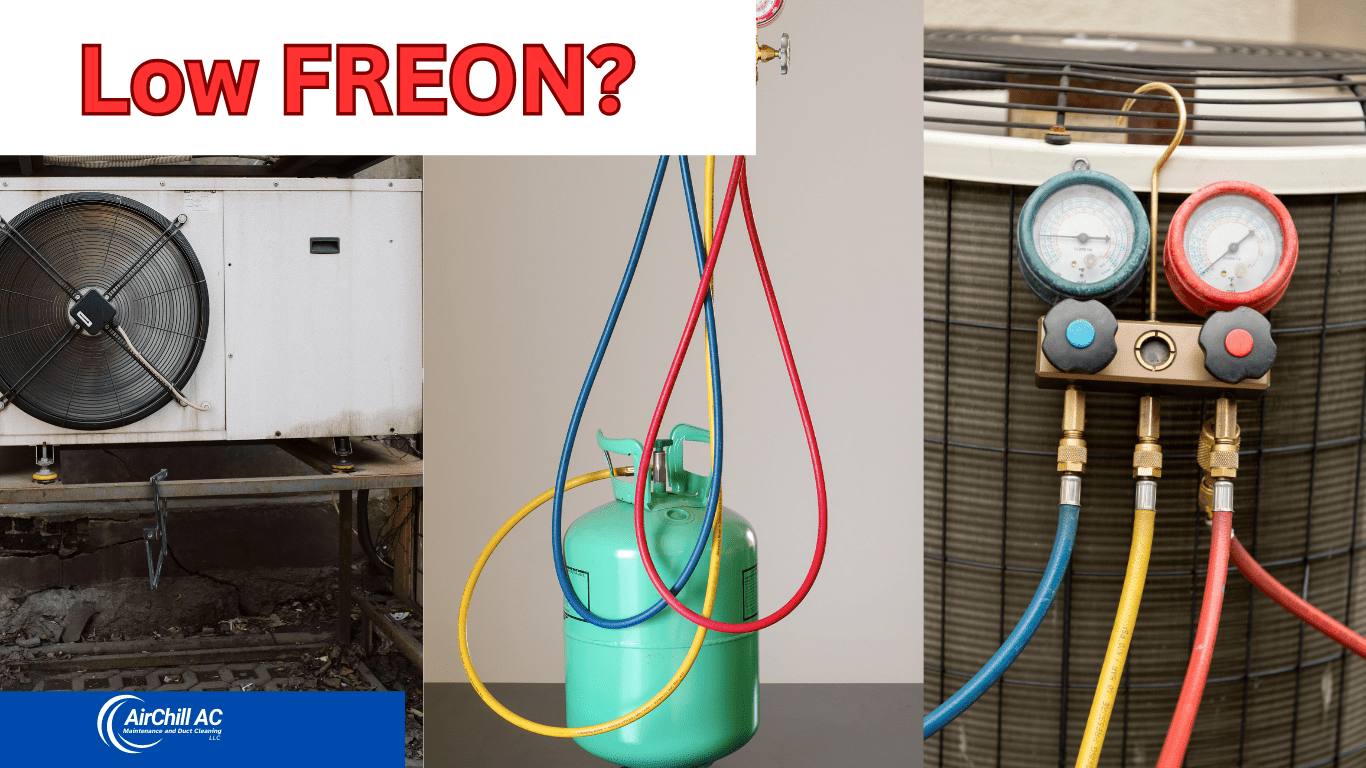
Credit: airchillac.com

Credit: morelliair.com
Frequently Asked Questions
How Do I Know If My Ac Needs More Freon?
If your AC blows warm air or cycles frequently, it might lack Freon. Low Freon reduces cooling efficiency and may cause ice buildup. A professional can measure pressure levels to confirm and safely recharge the system.
Can I Check Ac Freon Levels Myself?
Checking Freon levels requires special gauges and knowledge. It’s unsafe and illegal to handle refrigerants without certification. For accurate measurement and safe handling, hire a licensed HVAC technician.
What Causes Low Freon In Home Air Conditioners?
Low Freon usually indicates a refrigerant leak since Freon doesn’t get used up. Leaks often occur in coils, fittings, or valves. Prompt leak repair and recharge prevent system damage and improve cooling performance.
How Often Should Freon Levels Be Checked?
Freon levels should be checked during annual AC maintenance. Regular checks ensure optimal cooling and early leak detection. Timely servicing extends your system’s lifespan and efficiency.
Conclusion
Checking your air conditioner’s Freon is crucial for efficiency. It helps maintain cool air flow. Regular checks can prevent costly repairs later. Always remember, safety comes first. Wear gloves and goggles when inspecting. Consider calling a professional if unsure. They ensure the job is done right.
Understanding your AC system saves money and energy. It leads to better comfort at home. Stay cool and enjoy a smooth-running air conditioner. Keep it in top shape all year round. Your comfort depends on it.