Is your air conditioner not cooling like it used to? You might be wondering if the compressor is working properly.
The compressor is the heart of your AC, and if it’s not running, your whole system can fail. But how can you tell if it’s doing its job? You’ll discover simple ways to check your AC compressor yourself. By the end, you’ll know exactly what signs to look for and how to troubleshoot before calling a professional.
Keep reading to save time, avoid costly repairs, and keep your home cool and comfortable.
Signs Of A Working Compressor
Listen for Compressor Noise:A working compressor makes a low humming or buzzing sound. Silence or clicking noises may mean a problem. Sounds should be steady, not loud or sharp.
Check for Cool Air Output:Cool air from vents shows the compressor is pushing refrigerant. Warm air or no airflow can signal compressor trouble. Air should feel fresh and cool after a few minutes.
Feel the Unit’s Vibration:A running compressor causes a slight vibration. Place your hand lightly on the outdoor unit. If no vibration or unusual shaking is felt, the compressor might not work properly.
Basic Safety Precautions
Turn off the powerto the air conditioner before any inspection. This stops electric shocks and protects you from harm. Use the main circuit breaker or unplug the unit. Never work on the compressor while power is on.
Always wear protective gear. Safety glasses protect your eyes from dust or debris. Gloves keep your hands safe from sharp parts and electric shocks. Dress in long sleeves and pants for extra protection.
- Avoid electrical hazardsby not touching wires or terminals with bare hands.
- Use insulated tools to reduce the risk of shock.
- Keep the work area dry to prevent slips and electric accidents.
- Do not work in wet conditions or during rain.
Visual Inspection Steps
Start by checking the compressor unitfor any visible signs of damage. The unit should be clean and free from debris. Look closely at the surface for dents, rust, or crackswhich may affect performance.
Next, inspect for leaks. Oil or refrigerant leaks often show as oily spots or wet areas around the compressor. Leaks can cause the system to lose cooling power.
Check all electrical connectionsto ensure they are tight and not corroded. Loose wires or burnt connectors can prevent the compressor from running properly. Use a flashlight to see inside the panel clearly.

Credit: www.reddit.com
Testing Compressor Functionality
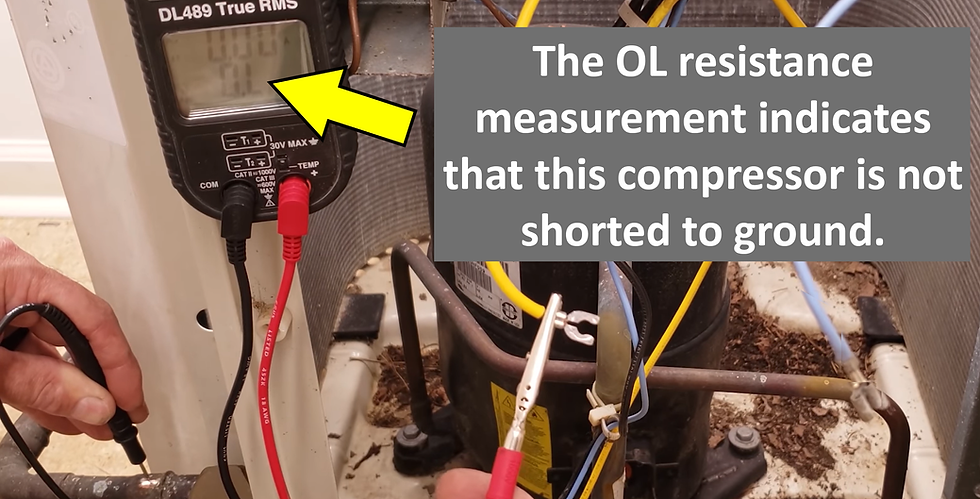
Use a multimeterto check the compressor’s electrical parts. Measure the resistanceof the compressor windings. A very high or low reading means a problem. Also, test for continuityto ensure no wires are broken inside.
The capacitor helps the compressor start. Check if the capacitor is bulgingor leaking. Use a multimeter with a capacitor test function. A bad capacitor can stop the compressor from running.
| Refrigerant Level Test | What to Look For |
|---|---|
| Use a gauge set to measure pressure | Low pressure means low refrigerant |
| Check for ice build-up on pipes | Ice means poor refrigerant flow or low levels |
| Inspect compressor running time | Short cycles can mean low refrigerant |
Common Compressor Problems
Compressor not startingcan be due to electrical issues or a faulty start relay. Sometimes, the capacitor that helps start the compressor might be weak or broken. Check the power supply and wiring for any loose connections. A burned-out motor can also stop the compressor from running.
Overheating issueshappen when the compressor runs too long or the cooling system is blocked. Dirt or debris on the coils can cause heat to build up. Poor ventilation around the unit also leads to overheating. This can damage the compressor and reduce its life.
Strange noiseslike rattling, buzzing, or clicking often signal a problem. These sounds can come from loose parts, worn bearings, or damaged motor mounts. Strange noises mean the compressor needs attention before bigger issues arise.
When To Call A Professional
Complex electrical issues in an air conditioner can be dangerous. It is best to call a professional for these problems. They have the right tools and knowledge to handle electrical parts safely. Attempting to fix electrical faults alone can cause shocks or damage.
Refrigerant handling needs special care. Professionals know how to manage refrigerants without harming the environment. They can check for leaks and refill the system correctly. Mishandling refrigerants may lead to poor cooling or legal troubles.
Compressor replacement requires skill and experience. The compressor is a key part of the air conditioner. A professional will remove the old compressor and install a new one properly. This ensures the AC runs smoothly and lasts longer.
Preventive Maintenance Tips
Regular cleaninghelps keep the air conditioner running smoothly. Dust and dirt can block the compressor and reduce its power. Clean the filters and coils every few weeks. This stops dirt build-up and lets air flow easily.
Scheduled inspectionscatch small problems early. Have a professional check the compressor and other parts once a year. They can find leaks, worn parts, or low refrigerant levels. Fixing these issues quickly prevents bigger damage.
Proper unit usageextends the life of the compressor. Avoid setting the temperature too low or running the AC all day. Turn off the unit when not needed. Using a timer or thermostat helps control the running time and saves energy.

Credit: www.youtube.com

Credit: www.acservicetech.com
Frequently Asked Questions
How Can I Tell If My Ac Compressor Is Working?
Listen for a humming sound from the outdoor unit. Check if the fan is spinning and air is cooling inside. If the compressor is running, you should feel cold air within minutes.
What Are Signs Of A Failing Ac Compressor?
Common signs include warm air from vents, frequent cycling, loud noises, and tripped breakers. Reduced cooling performance and higher energy bills also indicate compressor issues.
Can I Test My Ac Compressor At Home?
Yes, you can check power to the compressor and look for visible damage. However, testing electrical components requires caution and sometimes a professional’s help for safety and accuracy.
Why Is My Ac Compressor Not Starting?
Possible reasons include a faulty capacitor, electrical issues, or low refrigerant levels. Dirt or debris blocking the unit can also prevent the compressor from starting.
Conclusion
Ensuring your AC compressor works is crucial for cool air. Regular checks prevent costly repairs. Listen for unusual noises. Check for vibrations. Verify cooling efficiency. Look at the circuit breaker. Replace filters for optimal airflow. Clean the outdoor unit regularly.
If issues persist, call a professional technician. Always prioritize safety during checks. An efficient compressor means a comfortable home. Keep your AC system in top shape. Enjoy refreshing air all summer long. Maintenance is key. Stay cool and save money.
Happy cooling!