Your microwave oven is one of the most convenient appliances in your kitchen. It heats up leftovers, pops popcorn, and even cooks meals in minutes.
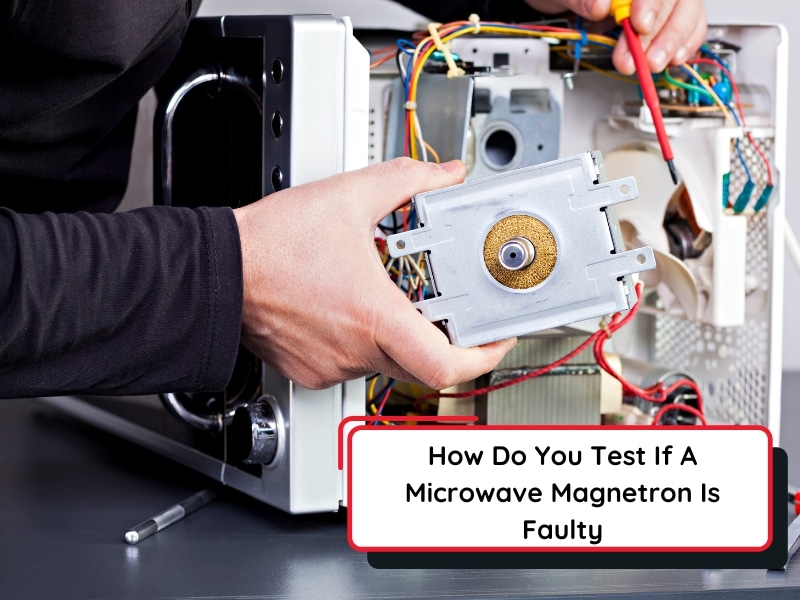
But what happens when it stops working as it should? A faulty magnetron could be the culprit. This essential component is responsible for producing the microwave energy that heats your food. Knowing how to check the magnetron not only saves you time and money but also empowers you to take control of your kitchen troubles.
In this guide, you’ll discover simple steps to diagnose a magnetron issue in your microwave. Don’t let a broken microwave disrupt your daily routine. Read on to learn how you can quickly get back to enjoying hot meals with ease.
Safety Precautions
Checking the magnetron in a microwave oven involves working with electrical parts. Safety must be the top priority. Taking proper precautions protects you from injury and damage. Follow these safety steps carefully before starting any inspection or repair.
Unplugging The Microwave
Always unplug the microwave before opening it. This cuts off all power sources. Even when off, microwaves can store electricity inside. Unplugging stops any accidental electric shock. Never work on the microwave while it is connected to power.
Using Protective Gear
Wear rubber gloves to protect from electric shock. Use safety glasses to shield your eyes. Small metal parts can cause injury or spark. Protective gear reduces risks while handling parts. Avoid loose clothing or jewelry that can catch on parts.
Handling High Voltage Components
The microwave contains a high voltage capacitor. It can hold a dangerous charge even after unplugging. Discharge the capacitor properly before touching other parts. Use an insulated screwdriver for safety. Do not rush or guess; high voltage parts need careful handling.
Tools Needed
Before you begin checking the magnetron in your microwave oven, having the right tools is essential. Using proper equipment not only makes the process safer but also helps you get accurate results. You don’t need a toolbox full of gadgets—just a few key items will do the job effectively.
Multimeter
A multimeter is your best friend when testing the magnetron. It measures electrical values like resistance and continuity, which are crucial to determine if the magnetron is working properly. Without a multimeter, you’re basically guessing what might be wrong.
Look for a digital multimeter with clear display and easy-to-use settings. If you don’t own one, they are affordable and available at most hardware stores. Testing the magnetron with a multimeter can save you from unnecessary replacements.
Screwdrivers
You’ll need screwdrivers to open up your microwave safely. Usually, a Phillips-head screwdriver will do, but some models may require flat-head or specialty screwdrivers. It’s best to check your microwave’s screws before starting so you have the right tools ready.
Keep a small set of screwdrivers handy, as some screws can be tiny or hidden under panels. Using the correct screwdriver prevents stripping screws, which can make your repair much harder.
Insulated Gloves
Handling electrical components can be risky, so insulated gloves are a must-have. They protect you from accidental shocks when touching wires or metal parts inside the microwave. Even if the microwave is unplugged, some parts can retain charge for a while.
Make sure your gloves are rated for electrical work and fit well for better control. Safety should never be an afterthought when you’re working with appliances that use high voltage.
Locating The Magnetron
Locating the magnetron in your microwave oven is essential if you want to check or replace this crucial component. The magnetron generates the microwaves that heat your food, so understanding where it sits inside the microwave is key to any troubleshooting effort. Let’s break down how you can safely find the magnetron and identify its parts.
Removing The Microwave Cover
Before you look for the magnetron, you need to remove the microwave’s outer cover. Unplug the microwave to avoid any risk of electric shock—safety always comes first.
Use a screwdriver to remove the screws holding the cover in place. Keep these screws safe so you can reassemble the microwave later. Once the cover is off, you’ll see the internal components clearly.
Notice how some parts are connected with wires and others are fastened with screws. Take a mental picture or note where everything sits; it helps when you put it back together.
Identifying The Magnetron Components
The magnetron usually looks like a metal box with fins or vents on one side. It often has a large heat sink attached to keep it cool during operation.
You’ll see two thick wires or terminals connected to the magnetron. These supply power to the device. Sometimes, there’s a waveguide nearby, which directs the microwaves into the cooking chamber.
Be careful not to touch the magnetron directly with your hands. It can hold a charge even after unplugging, so wait a few minutes before touching any parts. If you spot a burnt or damaged area, that’s a clear sign the magnetron might need replacing.

Credit: microwavefactory.com.au
Testing Magnetron Continuity
Testing magnetron continuity helps find problems inside a microwave oven. The magnetron creates microwave energy to heat food. Checking its continuity means testing if electricity flows through it properly. A multimeter is the tool needed for this test. It measures electrical resistance and shows if the magnetron is good or broken.
Setting The Multimeter
Turn the multimeter on and set it to the lowest resistance range, usually marked as “Ω”. If the device has an auto range feature, it will select the correct range automatically. Make sure the test leads are correctly connected: black to the common (COM) port and red to the resistance (Ω) port. This setup helps measure continuity accurately without damaging the meter.
Checking Magnetron Terminals
Locate the magnetron terminals, usually two metal prongs on the part. Touch one multimeter lead to each terminal carefully. Look at the multimeter display to read the resistance. A good magnetron shows low resistance, usually a few ohms. If the meter shows very high resistance or infinite, the magnetron is likely broken. Avoid touching metal parts with your fingers during the test to get correct readings.
Inspecting Magnetron For Damage
Inspecting the magnetron for damage is a key part of microwave maintenance. The magnetron creates microwaves that heat food. Damage can stop your microwave from working properly. Careful inspection helps spot issues early. This saves time and money on repairs. Use a flashlight and safety gloves during the check. Make sure the microwave is unplugged before starting.
Visual Signs Of Wear
Look closely at the magnetron’s surface. Check for any rust or corrosion. These signs mean the magnetron is aging or exposed to moisture. Dust and dirt buildup can also cause problems. Wipe gently with a dry cloth to clean it. Do not use water or liquids on the magnetron.
Burn Marks And Cracks
Burn marks are dark spots that show overheating. They often appear near the wiring or metal parts. Cracks in the magnetron casing are dangerous. They let microwave energy escape, risking injury. If you see burn marks or cracks, avoid using the microwave. Replace the magnetron or call a professional technician for help.

Credit: www.youtube.com
Checking Magnetron Filament
Checking the magnetron filament is a key step in diagnosing microwave oven issues. The filament heats up inside the magnetron, enabling it to generate the microwave energy that cooks your food. If this filament is damaged or broken, your microwave won’t heat properly, even if it seems to be running.
Before you test, make sure to unplug the microwave and discharge the high-voltage capacitor to avoid electric shock. Safety first!
Measuring Filament Resistance
Start by removing the magnetron from your microwave carefully. Locate the two terminals where the filament connects. Using a digital multimeter set to the ohms (Ω) setting will help you measure the filament resistance.
Touch the multimeter probes to the two filament terminals. A good filament typically shows a low resistance value, usually less than one ohm. If your reading is very high or infinite, it indicates a broken filament.
- Ensure the multimeter leads have a solid connection to the filament terminals.
- Keep your hands steady to avoid fluctuating readings.
- Repeat the measurement a couple of times to confirm accuracy.
Interpreting Multimeter Readings
What does your resistance reading really mean? A reading close to zero ohms suggests the filament is intact and continuous. This means the filament circuit is complete and can heat up as expected.
Readings significantly above zero, especially infinite resistance, show the filament is broken. This break interrupts the circuit, preventing the magnetron from producing microwaves.
Occasionally, you might see a very low but non-zero resistance. This could be normal or a sign of early filament wear. If you suspect this, consider consulting a professional or replacing the magnetron to avoid sudden failures.
Additional Magnetron Tests
Additional magnetron tests help confirm the microwave’s core parts work properly. These tests focus on components that support the magnetron’s function. Checking the diode and capacitor can reveal hidden faults affecting microwave heating.
Testing Magnetron Diode
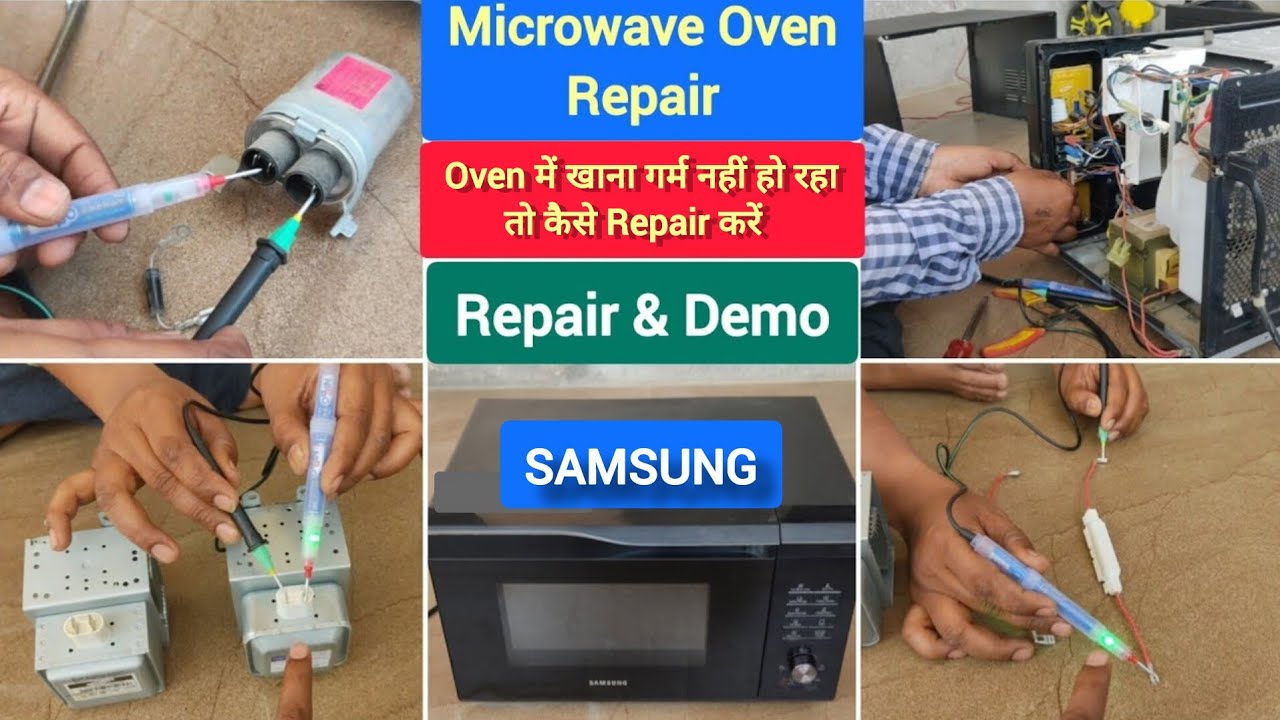
The magnetron diode controls high voltage flow to the magnetron tube. A faulty diode stops the microwave from producing heat. Use a multimeter set to the diode test mode for this task.
- Disconnect power and remove the microwave cover.
- Locate the diode near the magnetron.
- Remove the diode carefully from the circuit.
- Test the diode by placing multimeter probes on each end.
- A good diode shows low resistance in one direction only.
- High resistance or no reading in both directions means the diode is bad.
Verifying Magnetron Capacitor
The capacitor stores and releases electrical energy to the magnetron. A bad capacitor causes the microwave to lose power or stop heating. Use a multimeter with capacitance settings for this test.
- Ensure the microwave is unplugged and fully discharged.
- Locate and remove the capacitor from the microwave.
- Set the multimeter to measure capacitance.
- Place the probes on the capacitor terminals.
- Compare the reading to the capacitor’s rated value printed on it.
- A large difference means the capacitor needs replacement.
When To Replace The Magnetron
Knowing when to replace the magnetron in your microwave is crucial for safety and performance. The magnetron is the part that produces microwave energy to cook food. A faulty magnetron can cause uneven heating or no heating at all.
Replacing the magnetron at the right time avoids further damage to the microwave. It also saves you from costly repairs later. Recognizing the signs of failure and understanding replacement costs helps make the right decision.
Signs Of Magnetron Failure
- Microwave stops heating food properly.
- Unusual buzzing or humming noises during operation.
- Microwave shuts off suddenly while running.
- Burning smell or sparks inside the microwave.
- Long cooking times despite setting the right power.
These signs often mean the magnetron is damaged or worn out. Testing with a multimeter can confirm if the magnetron needs replacement.
Cost And Replacement Tips
| Item | Estimated Cost (USD) |
|---|---|
| Magnetron Part | $50 – $150 |
| Labor Charges | $70 – $120 |
| Total Replacement Cost | $120 – $270 |
Buy the exact magnetron model for your microwave brand. Follow safety precautions or hire a professional technician. Avoid DIY repairs if unsure. Proper replacement extends microwave life and ensures safe operation.
Credit: www.youtube.com
Frequently Asked Questions
How Do I Test A Microwave Magnetron Safely?
Unplug the microwave before testing. Use a multimeter to check continuity in the magnetron terminals. No continuity means the magnetron is faulty and needs replacement.
What Are Signs Of A Faulty Microwave Magnetron?
If your microwave heats unevenly or not at all, the magnetron might be failing. Strange noises or burning smells also indicate magnetron issues.
Can I Check The Magnetron Without Professional Help?
Yes, basic tests like visual inspection and continuity check with a multimeter can be done safely at home if unplugged and handled carefully.
How Long Does A Microwave Magnetron Usually Last?
A typical magnetron lasts about 5 to 10 years. Proper use and avoiding frequent short cycles can extend its lifespan.
Conclusion
Checking the magnetron helps keep your microwave working well. Simple tests can show if it needs repair or replacement. Always be careful when handling electrical parts inside the oven. Regular checks can save money and avoid bigger problems. Understanding how to check the magnetron makes microwave maintenance easier.
Stay safe, follow steps, and keep your microwave cooking strong.