
Are you unsure about the size of your car tire? Knowing the right tire size is more important than you might think.
It affects your car’s safety, performance, and fuel efficiency. But checking it isn’t as complicated as it sounds. You’ll learn simple steps to find your tire size quickly and accurately. By the end, you’ll feel confident and ready to choose the perfect tires for your vehicle.
Keep reading to discover how easy it is to check your car tire size yourself!
Locate Tire Size Information
Knowing your car tire size helps with maintenance and replacement. Tire size info is easy to find.
You can check the tire size on the tire, in your car manual, or on the door frame.
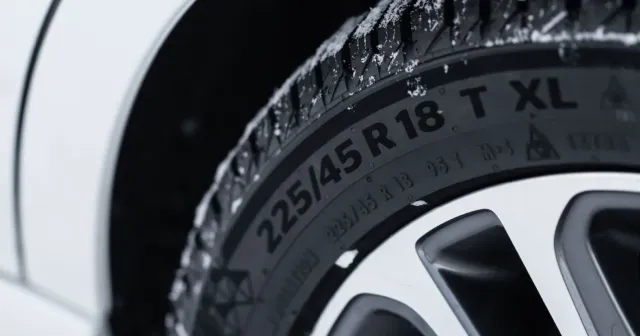
Find Size On Tire Sidewall
The tire sidewall has numbers and letters showing the tire size. This info is on the outer edge of the tire.
Look for a code like P215/65R15. It tells width, aspect ratio, and rim size.
- P215means the tire is 215 mm wide
- 65is the height as a percent of width
- R15means the tire fits a 15-inch rim
Check Owner’s Manual
Your car owner’s manual lists the right tire size. It gives exact details for your vehicle.
Look under sections like “Tires” or “Specifications” for this info.
- Manual shows approved tire sizes
- Includes recommended tire pressure
- Helps you buy the correct replacement tires
Look Inside Driver Door Frame
Open the driver’s door and check the door frame. You will find a sticker with tire details.
The sticker shows the correct tire size and recommended pressure for your car.
- Sticker usually has tire size and pressure info
- May include load capacity and rim size
- Easy to find and reliable source
Credit: www.blueskytireandauto.com
Decode Tire Size Numbers
Car tires have numbers that tell you their size. These numbers help you find the right tire for your vehicle. Learning to read these numbers is easy and useful.
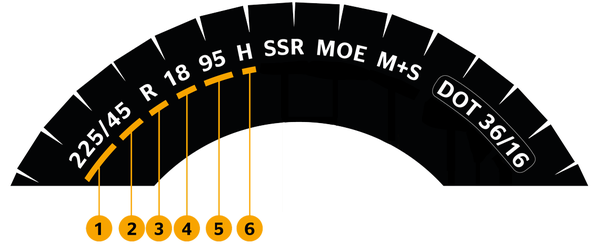
This guide explains the main parts of tire size: width, aspect ratio, rim diameter, load index, and speed rating. Each part has a specific meaning.
Understand Width Measurement
The first number in the tire size is the width. It shows how wide the tire is in millimeters. For example, if the number is 205, the tire is 205 mm wide.
Interpret Aspect Ratio
The aspect ratio is the second number, after the slash. It shows the height of the tire’s sidewall. This number is a percentage of the tire’s width.
If the aspect ratio is 55, the sidewall height is 55% of the width. A lower number means a shorter sidewall, which changes how the tire rides and looks.
Read Rim Diameter
The rim diameter is the third number, after the aspect ratio. It shows the size of the wheel in inches. This number tells you what size rim fits the tire.
- Look for the number after the aspect ratio.
- This number usually has an “R” before it, like R16.
- R16 means the tire fits a 16-inch rim.
Identify Load Index And Speed Rating
| Load Index | Speed Rating | Meaning |
| 91 | H | Max load 615 kg, max speed 210 km/h |
| 95 | V | Max load 690 kg, max speed 240 km/h |
| 99 | W | Max load 775 kg, max speed 270 km/h |
The load index is a number that shows how much weight the tire can carry. The speed rating is a letter that shows the highest speed the tire can safely handle.
Use Tools To Measure Tire
Measuring a car tire helps you know its size correctly. You need simple tools to get accurate results.
Using a tape measure or ruler, you can check the tire’s diameter, width, and profile height easily.
Measure Tire Diameter
The tire diameter is the distance across the tire from one edge to the other. It is important for fitting tires properly.
Place the tape measure across the widest part of the tire. Make sure the tape is straight and not bent.
Measure Tire Width
The tire width is the distance between the two sidewalls of the tire. It shows how wide the tire is.
Use a ruler or tape to measure from one sidewall edge to the other. Measure at the tire’s widest point.
Check Tire Profile Height
Tire profile height is the sidewall height from the rim to the tread. It affects tire comfort and handling.
Measure from the rim edge to the top of the tire tread. Use a ruler for a clear and exact number.

Credit: www.youtube.com
Compare Tire Sizes
Checking the size of your car tires is important before buying new ones. Different tire sizes can affect how your car drives and fits.
Comparing tire sizes helps you find the right fit. You can avoid problems with handling and safety.
Match Replacement Tires
Replacement tires should match the original size on your car. This keeps your vehicle balanced and safe to drive.
Look at the tire sidewall for size details. It shows width, aspect ratio, and diameter in a code like 205/55R16.
- Width: The tire’s width in millimeters
- Aspect ratio: The tire’s height as a percentage of width
- Diameter: The wheel size the tire fits, in inches
Consider Impact On Vehicle Performance
Tire size changes can affect your car’s speedometer, fuel economy, and handling. Bigger tires may slow acceleration.
Smaller tires can make your ride rougher. Choose sizes close to the original to keep good performance.
- Speedometer may show wrong speed
- Fuel use can increase or decrease
- Handling and braking may change
- Ride comfort can improve or worsen
Check Compatibility With Rims
Your tires must fit your rims correctly. Tire width and rim width should match for safe driving.
Check the rim diameter to match the tire size. Using wrong rims can cause tire damage or poor handling.
- Tire diameter must equal rim diameter
- Tire width should fit rim width range
- Check tire load and speed ratings
- Consult your car manual for rim specs
Tips For Accurate Measurement
Knowing the size of your car tire is important for safety and performance. Accurate measurement helps you find the right tire replacement.
This guide explains simple tips to measure your car tire correctly. Follow these steps to get precise results.
Measure On Flat Surface
Place your car on a flat and level surface before measuring. This ensures the tire is fully touching the ground and not tilted.
A flat surface helps avoid errors caused by uneven weight or tire shape changes. It makes your measurement more reliable.
Use Proper Measuring Tools
Use a tape measure or ruler that shows clear numbers. Avoid stretchy or soft tools that can bend and give wrong sizes.
Make sure your measuring tool is long enough to cover the tire’s width and diameter for full measurement.
- Tape measure with millimeter or inch markings
- Rigid ruler for small parts
- Caliper for precise width
Record Measurements Carefully
Write down each measurement right away. This prevents forgetting or mixing numbers during the process.
Label each size clearly, such as width, sidewall height, and diameter. Keep your notes safe until you need them.
- Note tire width in millimeters or inches
- Record sidewall height or aspect ratio
- Write rim diameter in inches
Credit: www.continental-tires.com
Frequently Asked Questions
How Do I Find My Car Tire Size?
Check the tire sidewall for a sequence like P215/65R15. This code shows width, aspect ratio, and rim diameter. It’s the easiest way to identify tire size.
What Do The Numbers On A Tire Mean?
Tire numbers indicate width, aspect ratio, construction type, and wheel diameter. For example, P215/65R15 means 215mm width and 15-inch rim.
Can I Use Different Tire Sizes On My Car?
Using different sizes can affect safety and performance. Always follow manufacturer recommendations for tire size compatibility.
Where Else Can I Find Tire Size Information?
Check your car’s owner manual or the driver’s door jamb sticker. Both usually list the recommended tire sizes.
Conclusion
Knowing how to check your car tire size helps keep your vehicle safe. It also ensures you buy the right tires when needed. Look at the sidewall numbers to find size details easily. Remember the three key parts: width, aspect ratio, and rim diameter.
Checking tire size regularly avoids problems on the road. Take a moment to learn this simple skill today. It saves time and money in the long run. Your car will perform better with proper tires fitted. Stay confident and drive safe every time.