Is your air conditioner not cooling like it used to? The problem might be with your air conditioner compressor.
Knowing how to check the compressor yourself can save you time and money on repairs. In this guide, you’ll learn simple steps to identify if your compressor is working properly or needs attention. By the end, you’ll feel confident handling this key part of your AC and keep your home cool all season long.
Let’s get started and take control of your comfort!
Signs Of A Faulty Compressor
The air conditioner compressor is key to cooling your home. If it fails, the AC stops working well. Knowing the signs helps you fix problems early.
Check your AC regularly for issues with the compressor. Catching problems early saves money and avoids bigger repairs.
Unusual Noises
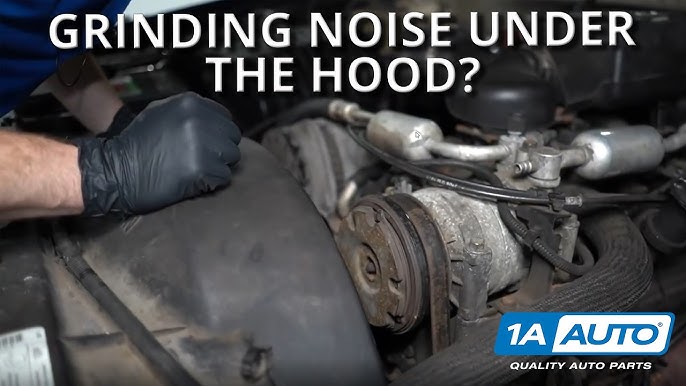
A noisy compressor often means trouble. You may hear rattling, grinding, or squealing sounds. These noises show the compressor parts are worn or damaged.
Listen closely when the AC turns on. Strange sounds can mean the compressor is failing and needs attention.
Reduced Cooling Efficiency
If your AC is not cooling like before, the compressor may be weak. A bad compressor can’t pump refrigerant well. This lowers the cooling power.
Check if the air coming out is less cold than usual. Poor cooling is a common sign of compressor problems.
Frequent Cycling
The compressor should run smoothly without stopping often. If the AC switches on and off a lot, the compressor might be faulty. This is called frequent cycling.
Frequent cycling strains the compressor and wastes energy. It can happen if the compressor overheats or has electrical issues.
Tripped Circuit Breaker
A compressor with electrical problems can trip the circuit breaker. This stops power to the AC to prevent damage or fire.
If your breaker trips often when the AC runs, the compressor may be short-circuiting or drawing too much current.
- Check the breaker panel for frequent trips
- Look for burnt wires or loose connections
- Call a professional if the problem repeats
Tools Needed For Inspection
Checking the air conditioner compressor needs some important tools. These tools help you find problems safely and correctly.
Make sure you have the right tools before you start the inspection. It will save time and keep you safe.
Multimeter
A multimeter measures electrical parts in the compressor. It helps check voltage, current, and resistance.
Use it to test if the compressor motor has power and if the wires are working well.
Manifold Gauge Set
This tool measures the pressure in the air conditioner system. It shows if the compressor is pumping refrigerant properly.
Connect the gauges to the service ports. Read the pressure levels to find leaks or blockages.
Screwdriver And Wrenches
You need screwdrivers and wrenches to open panels and remove parts. They help access the compressor safely.
Use the correct size tools to avoid damage and make the job easier.
- Flathead screwdriver
- Phillips screwdriver
- Adjustable wrench
- Socket wrench set
Safety Gear
Safety gear protects you from electrical shocks and sharp parts. Always wear safety equipment during inspection.
Use gloves, goggles, and protective clothing to stay safe while working on the compressor.
- Insulated gloves
- Safety goggles
- Long-sleeve clothing
- Closed-toe shoes
Safety Precautions
Checking the air conditioner compressor is important for its performance. Safety is the top priority before starting any work.
This guide helps you follow safe steps to avoid accidents and injuries while inspecting the compressor.
Power Off The Unit
Always turn off the power before checking the compressor. This stops the unit from running and prevents shocks.
Make sure to switch off the circuit breaker or unplug the unit to cut all electricity supply.
Wear Protective Equipment
Wear gloves and safety glasses to protect your hands and eyes. The compressor parts can be sharp or hot.
Using protective gear helps you avoid cuts, burns, and other injuries during the check.
Avoid Electrical Hazards
Do not touch wires or terminals with wet hands. Water and electricity together can cause serious harm.
Use insulated tools to prevent electric shocks. Always stay alert and work in a dry area.

Credit: www.acservicetech.com
Visual Inspection Steps
Checking the air conditioner compressor is important to keep your system working well. Visual inspection helps find problems early.
Look closely at the compressor and its parts. Spotting damage or leaks can save you money and prevent bigger issues.
Check For Physical Damage
Look at the compressor’s body for dents, cracks, or rust. These signs show the compressor may be damaged.
Also check if the compressor is loose or misaligned. A secure compressor works better and lasts longer.
- Check for dents on the compressor surface
- Look for rust or corrosion spots
- Make sure the compressor is firmly mounted
- Look for cracks or broken parts
Inspect Wiring And Connections
Examine the wiring connected to the compressor. Damaged wires can stop the compressor from working.
Check if all connections are tight and clean. Loose or dirty connections cause electrical problems.
- Look for frayed or broken wires
- Check for loose electrical connectors
- Clean any dirt or dust on connections
- Make sure wires are not touching hot parts
Look For Refrigerant Leaks
Refrigerant leaks can reduce the cooling power of your air conditioner. Look for oily spots around the compressor.
Check tubing and joints near the compressor. These places often show signs of leaks.
- Look for oily or wet spots on the compressor
- Inspect tubing for cracks or holes
- Check joints for signs of refrigerant loss
- Listen for hissing sounds that show leaks
Testing The Compressor
Checking the air conditioner compressor is key to fixing cooling problems. Testing helps find if the compressor works well.
This guide shows simple ways to test the compressor. You will learn how to measure resistance, check the capacitor, and use gauges.
Measure Electrical Resistance
Use a multimeter to check the compressor’s electrical resistance. This shows if the compressor windings are good or broken.
Set the multimeter to the ohms setting. Test between the compressor terminals to get resistance readings.
- Check resistance between start and run terminals
- Check resistance between run and common terminals
- Look for readings that match your compressor’s specs
- A very high or low reading means a problem
Check Capacitor Function
The capacitor helps start the compressor motor. A bad capacitor can stop the compressor from running.
Use a multimeter with a capacitance setting to test the capacitor. Remove power before testing to stay safe.
- Discharge the capacitor by shorting terminals
- Disconnect the capacitor from the circuit
- Measure capacitance with a multimeter
- Compare the reading to the capacitor’s rating
- If the value is too low or zero, replace the capacitor
Use Manifold Gauges To Test Pressure
Manifold gauges measure the refrigerant pressure in the air conditioner. Pressure readings show if the compressor pumps correctly.
Attach the gauges to the service ports on the AC unit. Read the high and low side pressures while the system runs.
- Low pressure may mean a weak compressor or leak
- High pressure can show a blocked or faulty compressor
- Compare readings to the manufacturer’s normal range
- Use pressure data to decide on compressor repairs

Credit: www.youtube.com
Interpreting Test Results
Checking the air conditioner compressor helps you find problems early. Test results show if the compressor works well or not.
Knowing how to read these results saves time and money. It guides you on the next steps for repair or replacement.
Normal Vs Abnormal Readings
Normal readings mean the compressor runs smoothly. The electrical values match the manufacturer’s guide.
Abnormal readings show issues like shorts, open circuits, or high resistance. These indicate the compressor may be faulty.
- Normal resistance: compressor windings have low and stable ohms
- High resistance: possible coil damage or wiring issues
- Zero or infinite ohms: indicates short or open circuit
- Compressor does not start or runs unevenly
When To Call A Professional
Call a professional if test results show abnormal readings. They have the tools and skills to fix complex problems safely.
Also, seek help if you feel unsure about handling electrical parts. Professionals prevent further damage and ensure proper repair.
- Compressor shows high or zero resistance
- Unusual noises or vibrations during operation
- Compressor fails to start after tests
- You lack the right tools or experience
Preventive Maintenance Tips
Checking your air conditioner compressor regularly keeps it running well. This helps avoid big problems and costly repairs.
Simple maintenance steps can improve your AC’s performance and extend its life. Here are some tips to follow.
Regular Cleaning
Dirt and dust can block your compressor and reduce its efficiency. Clean the compressor and surrounding parts often.
Use a soft brush or cloth to remove dirt. Avoid using water directly on electrical parts to prevent damage.
- Turn off power before cleaning
- Clear debris from compressor fins
- Keep the area around the compressor clean
Ensure Proper Refrigerant Levels
The compressor needs the right amount of refrigerant to work well. Too little or too much can cause issues.
Check refrigerant levels regularly. If low, it might mean there is a leak or another problem that needs fixing.
- Watch for signs like weak cooling
- Listen for hissing sounds indicating leaks
- Call a professional to refill refrigerant safely
Schedule Routine Inspections
Regular inspections by a technician help catch problems early. They check the compressor and other AC parts.
Set up inspections at least once a year. This keeps your system running smoothly and avoids sudden breakdowns.
- Inspect electrical connections
- Test compressor performance
- Check for unusual noises or vibrations

Credit: www.acservicetech.com
Frequently Asked Questions
How Do I Know If My Ac Compressor Is Failing?
Signs of a failing AC compressor include strange noises, warm air output, and frequent cycling. Check for leaks or electrical issues. Prompt inspection can prevent further damage and costly repairs.
Can I Test The Ac Compressor Myself?
Yes, you can test the AC compressor by checking the power supply and measuring resistance with a multimeter. However, professional diagnosis is recommended for accurate results and safety.
What Tools Are Needed To Check An Ac Compressor?
Essential tools include a multimeter, clamp meter, and refrigerant gauges. These help measure electrical continuity, current draw, and pressure levels accurately during compressor inspection.
Why Is My Ac Compressor Not Starting?
Common causes include electrical issues, a faulty capacitor, or low refrigerant levels. Inspect wiring, test the capacitor, and ensure refrigerant is sufficient to resolve startup problems.
Conclusion
Checking your air conditioner compressor is simple and essential. Regular maintenance keeps your unit efficient and extends its life. Listen for unusual sounds. Inspect for leaks or rust. Monitor cooling performance. These steps help identify issues early. Fixing small problems prevents costly repairs later.
Always follow safety precautions when checking your unit. If unsure, consult a professional. Keeping your air conditioner in top shape ensures comfort during hot months. Stay cool and worry-free by taking action today.