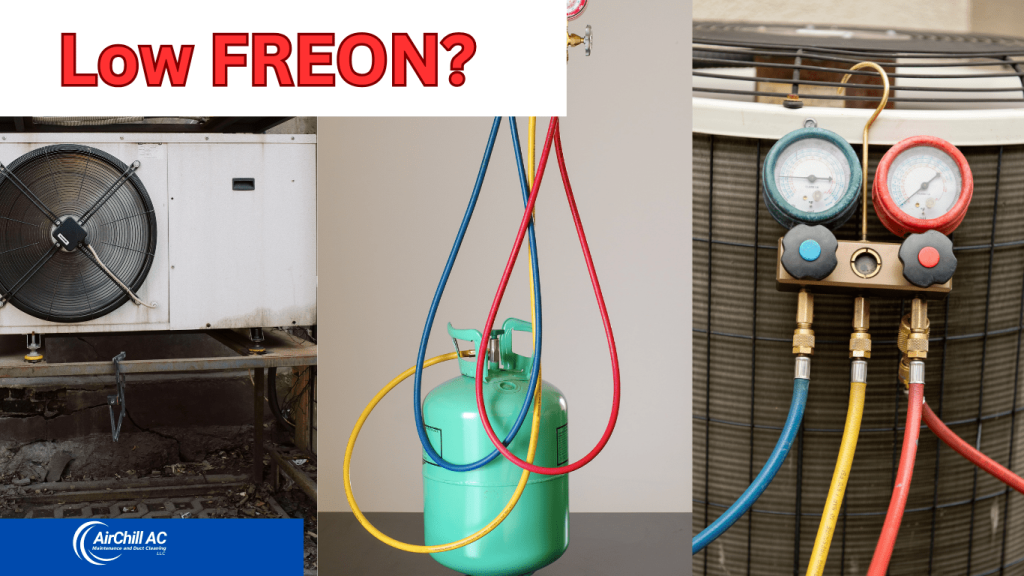
Is your air conditioner not cooling your home like it used to? You might be dealing with low Freon levels, which can make your unit less effective and raise your energy bills.
Knowing how to check the Freon in your home air conditioner can save you money and prevent bigger problems down the road. You’ll learn simple steps to spot if your Freon is low and what to do next. Keep reading, and take control of your home’s cooling today.
Signs Of Low Freon
Low Freonin an air conditioner causes several noticeable signs. The unit may blow warm airinstead of cold. You might hear strange noises like hissing or bubbling sounds. The AC may run longer than usual but fail to cool the room effectively. Ice can form on the evaporator coils, limiting airflow and cooling power.
Common symptomsinclude:
- Weak airflow from vents
- Higher energy bills due to inefficiency
- Frequent cycling on and off
- Moisture buildup around the unit
Impact on cooling performanceis clear. The system struggles to maintain a steady temperature. Rooms feel warmer even when the AC is on. Comfort decreases, and the unit may break down sooner. Low Freon reduces the AC’s ability to absorb heat, causing poor cooling results.

Credit: www.lochardplumbingheatingandcooling.com
Safety Precautions
Protective gearis essential for safety during Freon checks. Always wear glovesto protect your skin. Use safety gogglesto shield your eyes from refrigerant splashes. A face maskhelps prevent inhaling harmful fumes.
Handling refrigerants safelyrequires care. Avoid direct contact with Freon; it can cause frostbite. Work in a well-ventilated area to avoid breathing in gases. Keep a fire extinguisher nearby, as refrigerants can be flammable. Never release Freon into the air; it harms the environment.
Tools Needed
Checking the Freon levelin a home air conditioner needs some basic tools. A pressure gaugehelps measure the refrigerant pressure inside the system. It shows if the Freon level is too low or too high.
A leak detectoris useful to find any Freon leaks. It senses gas escaping from the air conditioner. This tool helps keep the system running properly and safely.
Additional supplies include:
- Protective gloves to handle tools safely
- Safety goggles to protect your eyes
- A flashlight for better visibility in dark areas
- A notepad to record readings and observations
Locating The Service Valves
Service valves are usually near the outdoor unit’s copper pipes. These valves control the flow of refrigerant. Look for two small round caps on the pipes. These are the access ports.
Access ports let you connect the pressure gauge. The gauge measures the Freon level inside the system. Remove the caps carefully to avoid refrigerant leaks.
Before testing, turn off the air conditioner. Wait for the system to settle and the pressure to stabilize. Use gloves to protect your hands from cold pipes.
Connect the pressure gauge to the access port securely. Make sure there are no leaks. Now, the unit is ready for Freon level testing.
Checking The Freon Pressure
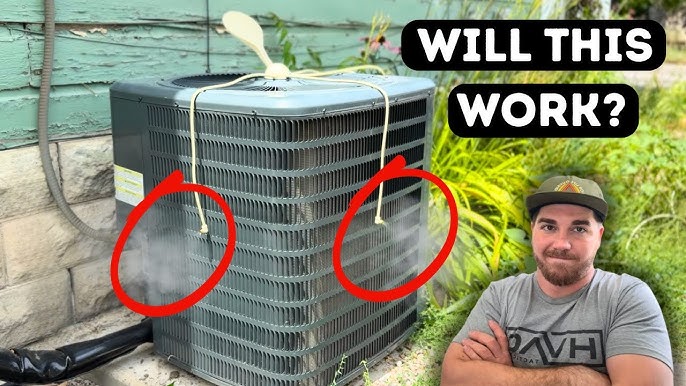
First, connect the pressure gauge to the low-pressure service port on your air conditioner. Make sure the gauge is attached tightly to avoid leaks. The port is usually near the outdoor unit and is marked with an “L”.
Turn on the air conditioner and let it run for a few minutes. This helps the system reach a stable pressure. Then, read the gauge carefully.
| Pressure (PSI) | Meaning |
|---|---|
| 25 to 45 | Normal range for most systems |
| Below 25 | Low Freon level, may cause poor cooling |
| Above 45 | High pressure, possible overcharge or blockage |
Low pressure can mean a Freon leak or a need for recharge. High pressure may show a blocked coil or too much Freon. Both need professional help.
Credit: m.youtube.com
Identifying Leaks
A leak detectorhelps find Freon leaks fast and easy. It senses even small leaks in the system. Hold the detector near the air conditioner parts. Move slowly around pipes and coils. The detector will beep or light up if it finds a leak.
Leaks often happen in certain places. Check these spots carefully:
- Refrigerant lines– where pipes connect or bend.
- Coils– the evaporator and condenser coils.
- Fittings and joints– places where parts join.
- Compressor seals– seals around the compressor.
- Valves– service valves on the unit.
When To Call A Professional
Major issueswith your air conditioner need expert help. Look for these signs:
- The unit does not cool the room well.
- Strange noises or smells come from the AC.
- Ice builds up on the coils or pipes.
- Water leaks near the unit.
- The system runs constantly without stopping.
These problems may mean the Freon level is very low or there is a leak.
Legal and safety rulesprotect you and the environment. Only licensed pros can handle Freon. They know how to avoid harm to you and the air. Never try to add or fix Freon yourself. Doing so can be dangerous and illegal.

Credit: www.georgiaairrepair.com
Frequently Asked Questions
How To Know If Freon Is Low In Ac?
If your air conditioner isn’t cooling effectively, it might be low on Freon. Other signs include the AC blowing warm air, ice forming on the refrigerant lines, or hissing sounds. Checking the Freon level requires professional tools, so it’s best to consult an HVAC technician for an accurate diagnosis.
Can I Check Freon Level Myself At Home?
Checking Freon levels at home is not recommended. It requires specialized tools and knowledge. Incorrect handling can damage the AC system or lead to refrigerant leaks. It’s safer and more effective to hire a certified HVAC technician to assess and refill the Freon if needed.
What Are Signs Of Freon Leakage?
Freon leaks can cause a noticeable decrease in cooling efficiency. You might also notice higher energy bills, ice on the evaporator coils, or a chemical smell. If you suspect a leak, contact a professional immediately. Refrigerant leaks can harm the environment and damage your air conditioning system.
How Often Should Freon Be Checked?
Freon levels in a properly functioning AC should remain constant. If your system is cooling well, annual maintenance is sufficient. During regular maintenance, technicians will check for leaks or other issues. If your AC isn’t cooling effectively, have it checked immediately to avoid further problems.
Conclusion
Checking the Freon level helps keep your AC running well. Low Freon can cause poor cooling and higher bills. Use simple tools and follow safety steps carefully. Regular checks can catch problems early. If unsure, ask a professional for help.
Taking care of your AC saves money and keeps your home comfortable. Simple steps make a big difference. Keep cool and stay safe!